US Jets Downed in Friendly Fire Amid Escalating Middle East Conflict
U.S. fighter jets were tragically shot down in a friendly fire incident over Kuwait amidst escalating combat operations. Meanwhile, Israel reportedly deployed its advanced laser defense system against rocket attacks, showcasing a new era of defensive technology.

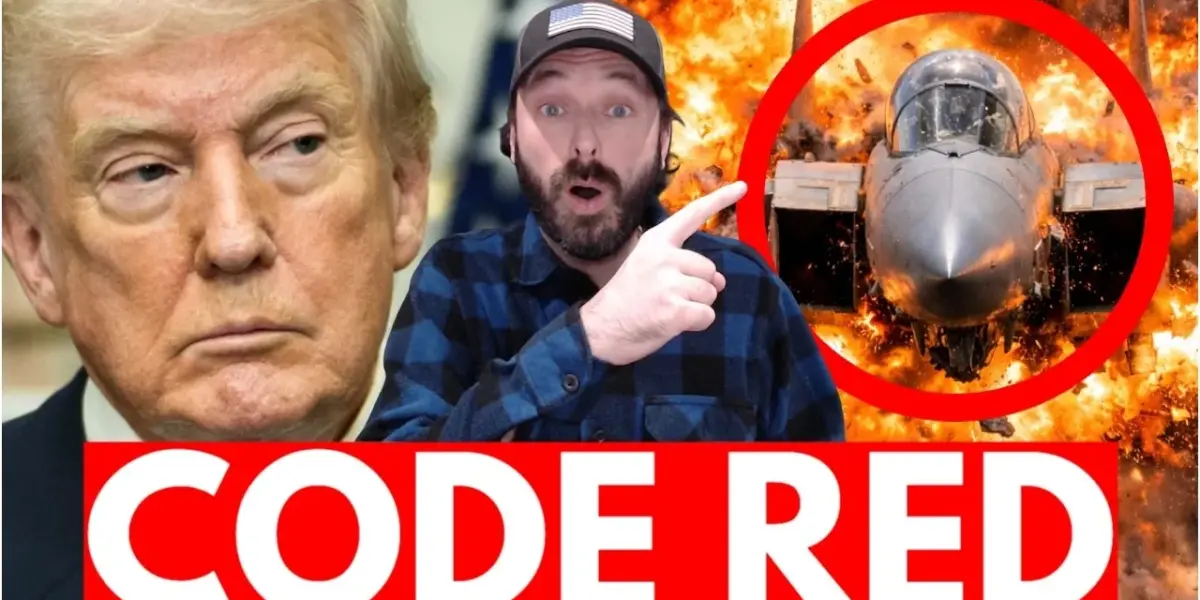
US Jets Downed in Friendly Fire Amid Escalating Middle East Conflict
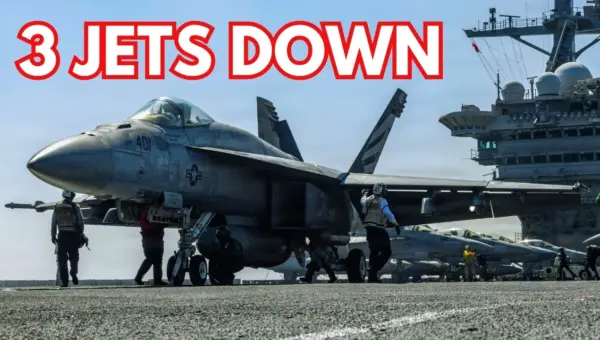
In a dramatic turn of events on the morning of March 2nd, the skies over Kuwait became the scene of a significant friendly fire incident, resulting in the loss of multiple U.S. fighter jets. The event occurred amidst ongoing combat operations against Iran, adding a layer of tragic miscalculation to an already volatile regional conflict. Reports indicate that three U.S. F-15 Strike Eagles, operating in support of Operation Epic Fury, were mistakenly targeted and shot down by Kuwaiti air defenses.
A Tragic Miscalculation Over Kuwait
The incident, described as a friendly fire event, unfolded during active combat that reportedly involved attacks from Iranian aircraft, ballistic missiles, and drones. According to a statement from U.S. Central Command (CENTCOM), the F-15s were downed at 11:03 p.m. Eastern Time on March 1st. While the exact cause of the misidentification is under investigation, the situation highlights the extreme pressures and complexities of modern air warfare, especially when operating in close proximity to allied forces during intense engagements.
Disturbing footage circulated on social media, purportedly showing a fighter jet falling from the sky in flames. Further videos depicted pilots ejecting and parachuting to safety. Fortunately, all six aircrew members aboard the downed aircraft ejected safely and were recovered by locals in Kuwait. The U.S. expressed gratitude for the efforts of the Kuwaiti Defense Forces in the recovery operation, underscoring the strong alliance between the two nations. Kuwait has reportedly acknowledged the incident, and investigations are underway to determine the precise sequence of events that led to the tragic downing of the U.S. aircraft.
Israel Deploys Advanced Laser Defense System
In parallel to the events in Kuwait, Israel has reportedly engaged its advanced laser defense system, dubbed the “Iron Beam,” against rockets launched from Lebanon. Ambassador to Israel Mike Huckabee confirmed the successful testing and deployment of this new technology. The laser system is said to have intercepted rockets fired by Hezbollah, marking what is being described as a “new era of defense.”
Footage shared online appears to show rockets being instantly incinerated by an unseen laser weapon. This development signifies a significant technological advancement in missile defense, offering a potentially more cost-effective and efficient method of intercepting aerial threats compared to traditional projectile-based systems. The successful deployment against rocket fire from Lebanon underscores Israel’s commitment to developing cutting-edge defense capabilities in response to persistent regional security challenges.
Intensified Strikes Across the Region
The broader conflict landscape remains highly active, with reports of significant strikes targeting various locations. Footage emerged showing extensive damage and massive explosions in Tyre, Lebanon, attributed to U.S.-Israeli airstrikes. Satellite imagery reportedly depicts damage to naval vessels and facilities at the Konarak Naval Base in southern Iran, with ships at the docks appearing to have been destroyed and buildings damaged.
Furthermore, there are reports of a U.S. base in Kuwait being targeted, though details remain scarce. In a separate engagement, a fighter jet successfully shot down an Iranian drone over the northern Gaza region. U.S. officials have also confirmed the use of B-1 strategic bombers in overnight strikes targeting above-ground ballistic missile and command and control sites in Iran. These actions are framed by U.S. officials as bold measures to eliminate imminent threats posed by the Iranian regime.
The transcript concludes with a somber reflection on the escalating nature of the conflict, noting the continuous fall of bombs, the use of advanced weaponry by Israel, and the ongoing, intensified operations. The presenter emphasizes that the war is worsening and is expected to continue at an unprecedented level for the foreseeable future, promising to provide further updates as information becomes available.
Why This Matters
The events described in this transcript highlight several critical developments with far-reaching implications. Firstly, the friendly fire incident involving U.S. fighter jets underscores the inherent risks and complexities of operating in highly contested airspace during active combat. Misidentification and accidental targeting can have devastating consequences, even among allied forces, and necessitate rigorous review of command and control protocols, as well as identification friend or foe (IFF) systems. The successful recovery of the aircrew, however, points to the resilience and effectiveness of rescue operations and the strong cooperation between U.S. and Kuwaiti forces.
Secondly, Israel’s reported use of its laser defense system represents a significant leap in military technology. If proven effective and scalable, such systems could fundamentally alter the dynamics of missile defense, offering a potent countermeasure against rocket and drone attacks that have long plagued the region. The cost-effectiveness and speed of laser interception could provide a crucial advantage, though the long-term strategic implications, including potential escalation or countermeasures from adversaries, remain to be seen.
Finally, the continued intensification of strikes across Iran, Lebanon, and potentially other areas signals a dangerous escalation in the regional conflict. The involvement of multiple state and non-state actors, coupled with the deployment of advanced weaponry by various sides, paints a grim picture of a conflict that is rapidly expanding and deepening. The destruction of naval assets and infrastructure, as well as the use of strategic bombers, indicates a sustained and potentially widening military engagement, raising concerns about regional stability and the risk of a broader conflagration.
Implications, Trends, and Future Outlook
The current situation suggests a trend toward increasingly sophisticated and potentially more destructive forms of warfare. The friendly fire incident, while tragic, may lead to enhanced inter-service and multinational coordination protocols. The successful deployment of Israel’s laser defense system could initiate an arms race in directed-energy weapons, potentially shifting the balance of power and defensive capabilities. The ongoing strikes on Iranian targets and the retaliatory actions indicate a cycle of escalation that shows no immediate signs of abating.
Looking ahead, the conflict’s trajectory remains uncertain but is likely to be characterized by continued high-intensity engagements, the potential for further technological innovation in military applications, and persistent geopolitical tensions. The international community faces the challenge of managing these escalating hostilities to prevent a wider regional war while addressing the humanitarian consequences of ongoing combat operations.
Historical Context and Background
The Middle East has a long and complex history of conflict, marked by shifting alliances, proxy wars, and recurring military confrontations. The current hostilities are rooted in decades of political, religious, and territorial disputes, involving key regional powers such as Iran, Israel, and various Arab nations, alongside the persistent involvement of global powers. The use of advanced military technology is not new to the region, but the specific nature of directed-energy weapons and the scale of coordinated air and missile attacks described here represent a modern evolution of these long-standing conflicts. The dynamics between Iran and its adversaries, including the ongoing nuclear program and regional influence, have been a central focus of international concern for years, contributing to the current volatile environment.
Source: BREAKING: U.S. Fighter Jets SHOT DOWN – Israel Uses SECRET Weapon (YouTube)

Related Articles


Trump’s Iran Strikes Lack European Allies’ Backing Amid Escalation
President Trump's recent strikes on Iran have met with a notable lack of support from key European allies, highlighting a growing transatlantic rift. As the conflict escalates with Iranian retaliation, questions linger about the sustainability of the US strategy and the stability of the Iranian regime.
US Tourist Shares Dubai Experience Amidst Middle East Conflict
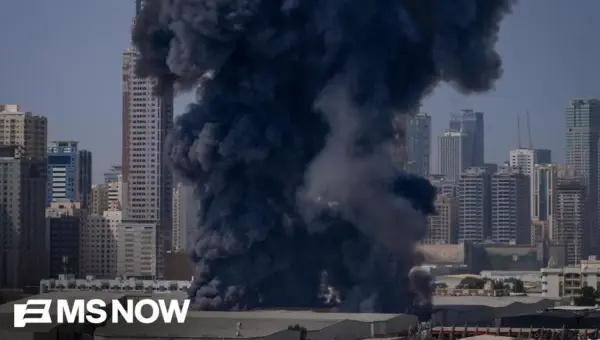
An American businesswoman stranded in Dubai amid Middle East conflict shares her experience, highlighting the UAE's effective defense systems and the calm resilience of the local population. While flights remain uncertain, she expresses a sense of security and perspective, acknowledging the ongoing challenges faced by others in the region.
Iran War Escalates: US Admits More Casualties, Allies Consider Joining
The Pentagon has warned of more U.S. casualties as the conflict with Iran escalates, drawing in Hezbollah and potentially European allies. Amidst reports of friendly fire incidents and unverified casualty claims, the U.S. faces strategic challenges in countering Iran's asymmetric tactics.