US Jet Downed: Trump Threatens Iran, Eyes Oil Control
A U.S. fighter jet shot down over Iran has intensified tensions, with one pilot rescued and another missing. President Trump is threatening further strikes and considering control of the Strait of Hormuz oil supply. Meanwhile, the White House touts a strong jobs report and proposes a large defense budget increase.

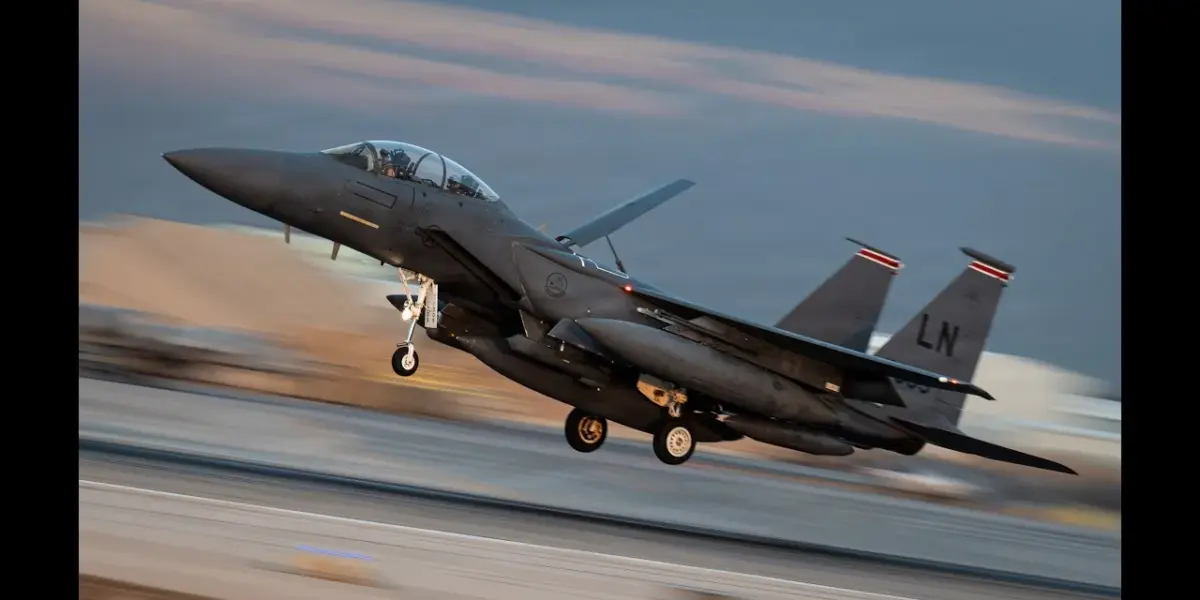
US Jet Downed Over Iran: Tensions Flare as Trump Issues Stark Warnings
A recent incident where a U.S. fighter jet was shot down over Iranian airspace has intensified already high tensions between the two nations. While one U.S. crew member was rescued, another remains missing, sparking a search and rescue operation. This event has prompted President Trump to issue strong warnings to Iran, suggesting further destructive actions if necessary.
Trump’s Escalating Rhetoric Against Iran
President Trump has made it clear he is not backing down. He has threatened to target Iran’s infrastructure, including its bridges and electric power plants. Trump described the current Iranian leadership as “less radicalized” than its predecessor but stressed the need for swift action. This strong stance comes as the White House confirms the President has been fully briefed on the downed jet and the ongoing rescue efforts. Reports from Epoch Times Israel confirmed the rescue of one crew member, with the other still unaccounted for.
“We have our eyes on key targets. If there is no deal, we are going to hit each and every one of their electric generating plants very hard and probably simultaneously.”
Despite the downed jet, President Trump indicated in an interview that this incident would not alter ongoing peace negotiations. He framed the situation as a broader conflict, urging Americans to maintain perspective. He drew parallels to past long-term conflicts like the Vietnam War (over 19 years) and the Iraq War (over 8 years), noting that the current Operation Epic Fury has lasted just over a month. Trump vowed to continue the operation until its objectives are met.
Strikes and Strategic Aims in the Persian Gulf
Central Command has reported striking over 12,300 targets within Iran and conducting more than 13,000 combat flights since the operation began. The U.S. has also reportedly destroyed the tallest bridge in the Middle East as part of these actions. President Trump envisions a future where Iran is “brought back to the stone ages.”
Adding another layer to the escalating situation, President Trump mused about the possibility of seizing oil supplies from the Strait of Hormuz. This critical waterway handles about a fifth of the world’s oil shipments. Trump suggested that with a little more time, the U.S. could control the strait, take the oil, and profit from its global distribution, calling it a potential “gusher for the world.” He even floated the idea of keeping the oil for the U.S.
These remarks signal a potential shift towards direct U.S. intervention in controlling global energy flows. President Trump emphasized that successfully completing the operation’s goals is more critical for America’s long-term national security than any short-term increase in fuel costs. He believes that once the conflict concludes, the strait will reopen, and gas prices will quickly decrease.
Why This Matters
The incident of the downed fighter jet and President Trump’s subsequent threats highlight the volatile nature of U.S.-Iran relations. The potential U.S. strategy of controlling oil flow through the Strait of Hormuz carries significant global economic implications. Disruptions to this vital shipping lane could cause oil prices to surge worldwide, impacting economies far beyond the Middle East. Trump’s focus on national security over immediate economic concerns suggests a long-term strategic vision, but it risks alienating international partners and further destabilizing the region. The successful rescue of one pilot and the ongoing search for the other underscore the human cost of such conflicts.
Economic Contrasts: Jobs Report and Defense Spending
Amidst the international tensions, the White House also highlighted positive economic news. The March jobs report reportedly exceeded expectations, with 178,000 new jobs created, nearly three times what economists predicted. This report showed strong growth in the construction sector, with over 26,000 jobs added. Private sector weekly earnings saw a 3.9% increase over the past year. The federal workforce has also been reduced to its lowest level since 1966, which is said to be boosting private sector growth.
White House spokesman Kush Desai attributed this strong job growth to President Trump’s policies. He cited tax cuts, deregulation, and new trade deals leading to $18 trillion in new U.S. investments. Desai argued that this economic momentum is strong enough to withstand temporary Middle East conflicts.
Furthermore, President Trump is proposing a significant increase in defense spending for fiscal year 2027, aiming for a $1.5 trillion Pentagon budget. This proposal includes a 5-7% pay raise for military personnel and substantial funding for defense systems, including missile defense and shipbuilding initiatives like a new “Trump class” of battleships.
Historical Context and Future Outlook
The current U.S.-Iran conflict, referred to as Operation Epic Fury, is being framed by the Trump administration as a necessary, albeit potentially prolonged, engagement. By referencing past wars, the administration seems to be preparing the public for a sustained effort. The strategy appears to involve a combination of military pressure and economic leverage, with the potential control of oil supplies being a significant threat. Historically, the Strait of Hormuz has been a flashpoint, and any disruption there has immediate global repercussions. The U.S. has previously engaged in naval operations to ensure freedom of navigation in the strait. The administration’s focus on long-term national security and economic policy, as evidenced by the strong jobs report and proposed defense budget, suggests a desire to project strength both domestically and internationally. The future outlook remains uncertain, heavily dependent on de-escalation efforts, the success of ongoing military operations, and the broader geopolitical dynamics in the Middle East.
Source: 1 Crew Member Rescued, Another Missing After US Fighter Jet Shot Down Over Iran (YouTube)

Related Articles


Trump Threatens Iran, Shaking Global Stability
Former President Trump's aggressive Easter Sunday warning to Iran has ignited global concerns, highlighting a volatile intersection of politics, religion, and foreign policy. The analysis explores the motivations behind such rhetoric, the deep divisions within American society, and the potential for severe economic and geopolitical repercussions worldwide.
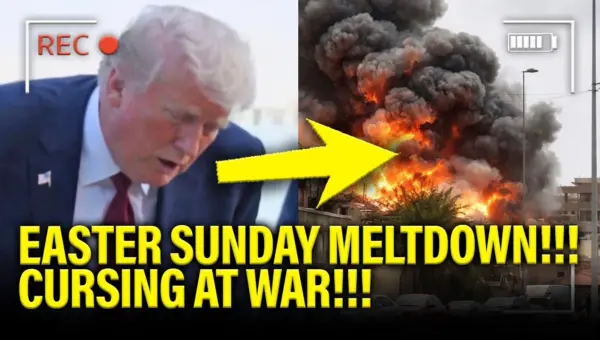
Trump’s Rhetoric Fuels Iran Tensions, Raises War Crime Alarms
Former President Donald Trump's aggressive Easter weekend social media posts directed at Iran have sparked international concern. His threats of military action and ultimatums, coupled with conflicting narratives about military engagements, have raised alarms about potential war crimes and a dangerous escalation of conflict. Critics accuse both Trump and segments of the media of downplaying the severity of his rhetoric.


Trump Threatens Iran: “Open Strait or Live in Hell”
President Trump issued a severe warning to Iran, threatening "hell" if the Strait of Hormuz is not reopened, while U.S. forces successfully rescued a downed airman. Experts suggest potential escalation and regional realignments are unfolding.