US Jet Downed Over Iran Amid Rising Costs and Military Shake-ups
A U.S. F-15E fighter jet crashed in southern Iran, sparking a search for a missing pilot and raising concerns about potential hostage situations. The incident highlights escalating costs, estimated at $1 billion daily, and growing public doubt over the conflict's objectives and transparency. Meanwhile, the U.S. military sees a leadership shake-up amidst cultural clashes and political maneuvering.

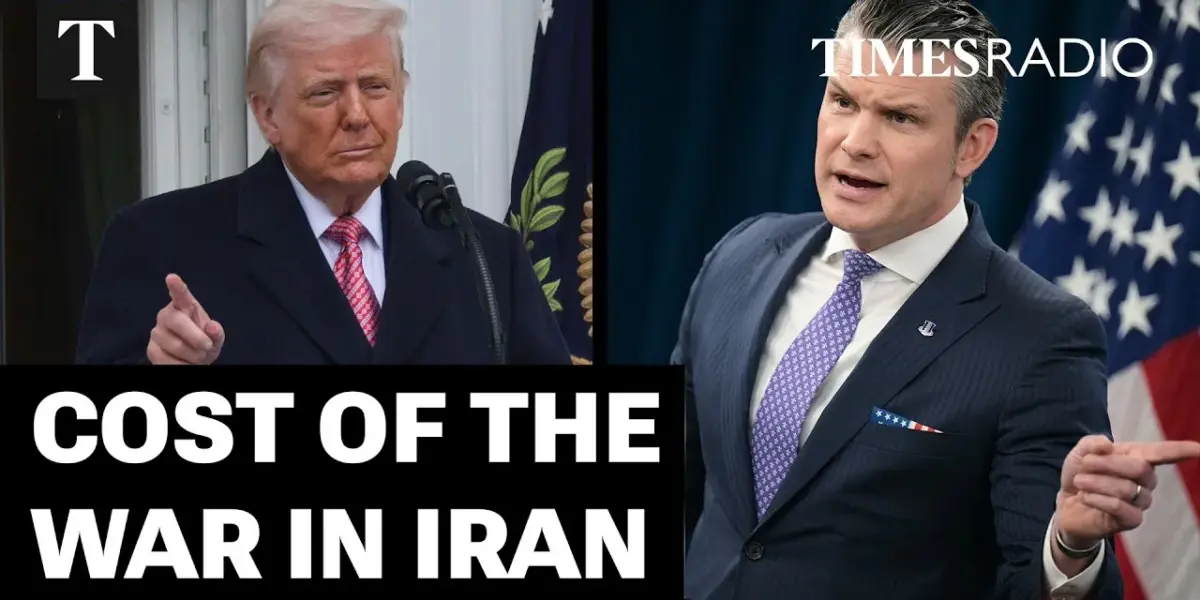
US Fighter Jet Crashes in Iran, Raising Stakes in Regional Conflict
A U.S. F-15E fighter jet, based in the United Kingdom, crashed over southern Iran earlier today. The aircraft, operating out of RAF Lakenheath, carried two pilots. Reports indicate that one pilot has been safely recovered, but the status of the second pilot remains unknown. U.S. forces are actively searching for the missing pilot, facing a race against time as Iranian forces are also searching the area. The possibility of the second pilot being taken hostage by Iran raises significant concerns.
Multiple Aircraft Incidents and Shifting Military Leadership
Adding to the dramatic events, another U.S. warplane, an A-10 Warthog attack plane, crashed in the same region around the same time. There are also unconfirmed reports of a downed Black Hawk helicopter. These incidents come just days after a public statement by Secretary of Defense Pete Hegseth, who claimed Iran’s air defense capabilities were severely degraded. The recent crashes directly contradict these assertions, highlighting a potential overestimation of U.S. military dominance in the region.
In a significant military shake-up, the most senior U.S. Army officer has been dismissed just one month into the conflict. This move, according to U.S. reporter Anita Pal, signals a push to change the existing military structure. The dismissed general was known for his more conventional, compassionate leadership style in past conflicts like Afghanistan and Iraq. This contrasts sharply with Secretary Hegseth’s focus on rapid change and transformation, suggesting a possible clash over the war’s objectives and methods.
Escalating Costs and Public Doubt Over Iran Conflict
The conflict in Iran is proving to be extremely expensive, with estimates suggesting it is costing the U.S. approximately $1 billion per day. The downed F-15E alone is valued at around $65 million. This financial burden comes as the White House has requested an additional $1.5 trillion for the defense budget next year. This substantial request is expected to face significant debate in Congress, especially with midterm elections approaching and a potential shift in party control.
A major concern highlighted is the lack of clear public understanding and debate surrounding the conflict. Unlike previous military engagements like those in Afghanistan and Iraq, the rationale for the current operation in Iran has not been clearly articulated to the American people. This ambiguity fuels public doubt and raises questions about the necessity and goals of the ongoing military action. The threshold for public tolerance of American casualties and potential hostages appears to be lower than in past conflicts.
Political Maneuvering and Controversy Surrounding Dismissals
The cost and unclear objectives of the Iran operation are taking place amidst political controversy. President Trump recently removed Pam Bondi from her position as Attorney General, transitioning her to the private sector. Bondi, a staunch defender of Trump, was reportedly criticized for her handling of sensitive files, including those related to Jeffrey Epstein. Her dismissal, along with the military shake-up, suggests mounting internal pressure and a potential effort to deflect from low approval ratings.
Critics argue that Trump has been reluctant to seek formal congressional consent for the operation, leading to accusations from Democrats that he has unilaterally taken the country into war. The administration’s avoidance of the word “war,” opting instead for terms like “operation,” mirrors tactics used in other countries to skirt direct military engagement debates. President Trump has stated his expectation to conclude the operation within three to four weeks, though the situation remains highly uncertain.
Cultural Clashes Within the Military and Beyond
The conflict has also exposed cultural clashes within the U.S. military establishment. Secretary Hegseth’s aggressive rhetoric, including descriptions of “death and destruction” and the use of video game imagery, has been met with dismay by more traditional military figures. This cultural divide was amplified when Hegseth blocked the promotion of four army officers, including two Black individuals and two women, while approving the promotions of 29 others, mostly white men. This action has been interpreted as a move against perceived “woke policies” within the army, further fueling internal tensions.
A Lighter Note: Starbucks Employee Incentives
On a lighter note, Starbucks in the U.S. is offering employees bonuses of up to $1,200. To qualify, staff must meet various metrics, including demonstrated cheerfulness, a high number of smiles, and efficient work speed. While intended to boost morale and customer service, the effectiveness and measurement of these subjective criteria remain to be seen. Many observers note that American service staff are already known for their generally jovial demeanor, making the focus on forced smiles a potentially unusual approach.
Source: Iran Conflict Costing The US $1 Billion A Day (YouTube)

Related Articles

Trump Threatens Iran, Shaking Global Stability
Former President Trump's aggressive Easter Sunday warning to Iran has ignited global concerns, highlighting a volatile intersection of politics, religion, and foreign policy. The analysis explores the motivations behind such rhetoric, the deep divisions within American society, and the potential for severe economic and geopolitical repercussions worldwide.
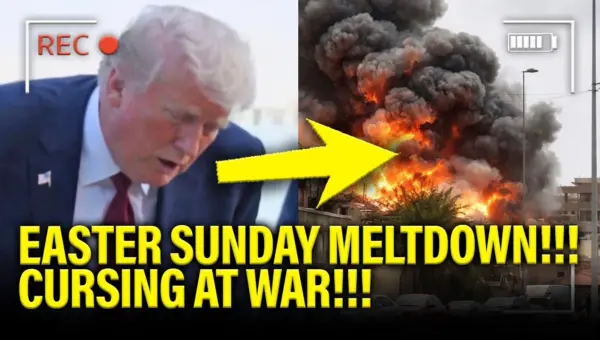
Trump’s Rhetoric Fuels Iran Tensions, Raises War Crime Alarms
Former President Donald Trump's aggressive Easter weekend social media posts directed at Iran have sparked international concern. His threats of military action and ultimatums, coupled with conflicting narratives about military engagements, have raised alarms about potential war crimes and a dangerous escalation of conflict. Critics accuse both Trump and segments of the media of downplaying the severity of his rhetoric.


Trump Threatens Iran: “Open Strait or Live in Hell”
President Trump issued a severe warning to Iran, threatening "hell" if the Strait of Hormuz is not reopened, while U.S. forces successfully rescued a downed airman. Experts suggest potential escalation and regional realignments are unfolding.