US Jet Downed in Iran: Stakes Skyrocket for Captured Crew
A US F-15 jet shot down over Iran raises tensions, with search efforts underway for the two crew members. The incident could become a major propaganda win for Iran if the crew is captured, potentially altering the war's outcome and public opinion.

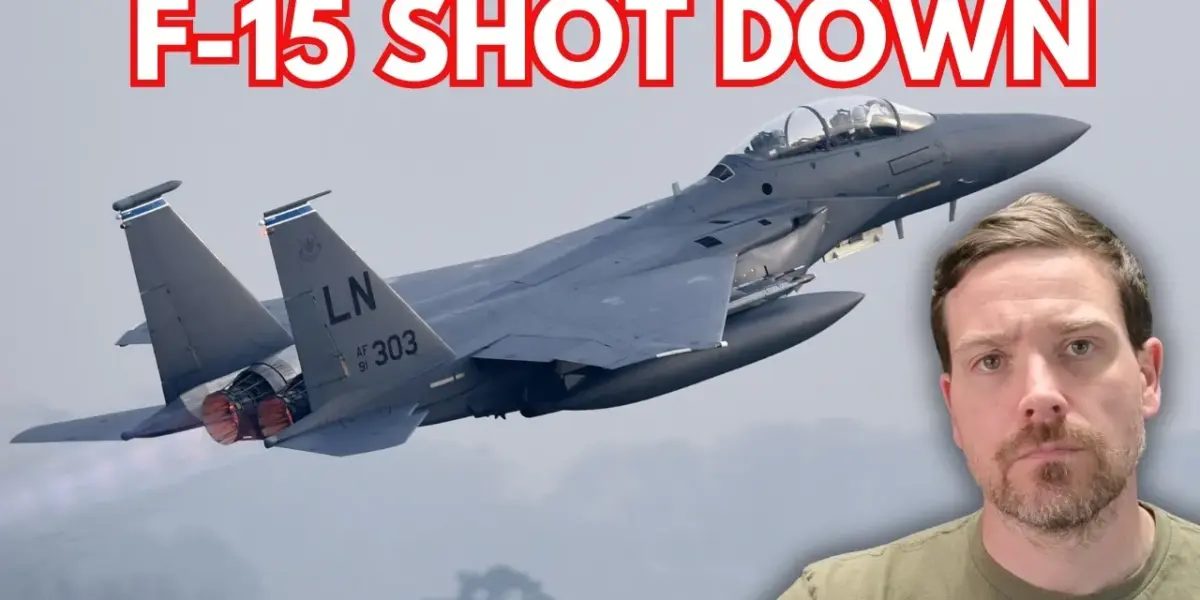
US Jet Downed in Iran: Stakes Skyrocket for Captured Crew
A United States F-15 Strike Eagle jet was shot down over Iran earlier today. This marks the first time a manned American aircraft has been lost to enemy fire since the conflict in Iran began. As of Thursday, April 3rd, 2026, the fate of the two crew members remains unknown. Search and rescue teams are actively working to bring them home, with significant US air power flying over Iranian territory in broad daylight. This risky operation shows how highly the US values its service members’ lives, following the principle of leaving no one behind.
Iran’s Role and Propaganda Potential
Interestingly, Iran is also involved in the search, though for different reasons. Iranian media has reported on the downed crew members, who are said to be hiding. Iran has offered a reward to anyone who turns them in to Iranian authorities. While the US has remained officially silent, this is expected. Releasing information during an active rescue operation could endanger the crews involved.
Evidence and Confusion
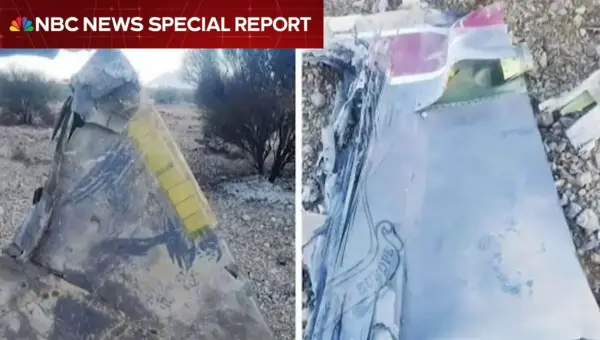
Pictures have emerged showing what appears to be wreckage from an F-15, specifically a tail fin. Experts believe this piece likely came from an F-15 operating out of UK air bases and involved in strikes inside Iran. An ejection seat from an F-15 was also pictured, suggesting at least one crew member may have escaped the aircraft before it crashed. There has been no footage released of the jet being intercepted or going down. Earlier, Iran claimed to have shot down a US F-35, releasing unclear footage. The US quickly denied this, stating it was an incident near Keshum Island and not related to the F-15. The US government’s silence on the F-15 incident seems to be a deliberate choice to protect the ongoing recovery mission.
The High Stakes of Capture
If the two crew members, a pilot and a weapon systems officer, are captured alive, it would be a major propaganda victory for Iran. This could significantly impact the war’s direction, potentially allowing Iran to demand concessions from the US in any future ceasefire or agreement. The lives of these service members are so important that their capture could genuinely alter the war’s outcome.
Escalating Conflict and Public Opinion
The situation could also push the US to become more involved. If the US attempts a hostage rescue operation, it would likely face heavy resistance from Iran, who would aim to protect the captured crew. This could lead to dangerous special operations raids deep within Iranian airspace. Furthermore, the capture of American service members could sway US public opinion. While current polls show support for the war around 40%, seeing captured Americans on camera might either galvanize support for a more aggressive approach, like a full-scale invasion, or push for a negotiated end to the conflict. It’s unclear how the public will react, especially in the age of social media.
Broader Escalation Trends
The F-15 incident is part of a series of recent escalations. The US destroyed a bridge in Iran, claiming it was used for military purposes, though some reports suggest it was not yet completed. While striking a bridge used for military purposes is not a war crime, targeting dual-use infrastructure significantly impacts civilians and opens the door for Iran to retaliate similarly. Iran has already threatened to attack bridges across the Middle East. Additionally, Iran reportedly hit a Kuwaiti desalination plant, a critical resource for drinking water in the region. Such attacks could make areas uninhabitable.
Missile Capabilities and Future Outlook
Despite daily strikes, US intelligence suggests roughly half of Iran’s missile launchers and thousands of drones remain. While US and Israeli forces claim significant damage to Iran’s military, including a 90% reduction in ballistic missile and drone attacks and the destruction of two-thirds of production facilities, Iran’s capabilities are far from eliminated. These statistics, while notable in the early days of the conflict, may be less relevant now. The key issue is that Iran can still launch missiles and drones daily, some of which are getting through.
Challenges in Modern Warfare
Warfare is complex, and unlike conflicts focused on territorial control, this one is harder to track with simple metrics. Even with reduced capabilities, Iran can still inflict significant damage. Achieving zero missile capability through air power alone is unrealistic; Iran’s arsenal must be significantly degraded, and ideally, a change in leadership would reduce their desire to use these weapons against neighbors. As long as Iran can threaten to disrupt shipping in the Strait of Hormuz, its leverage remains. There is still considerable work to be done to neutralize this threat, even with a continued focus on reducing Iran’s military capabilities.
Why This Matters
The downing of the F-15 is a critical moment, highlighting the dangers faced by US service members and the escalating nature of the conflict with Iran. The potential capture of the crew raises the stakes dramatically, impacting international relations, public opinion, and the overall trajectory of the war. The incident underscores the difficulty of achieving a decisive victory through air power alone and points to the need for a comprehensive strategy that may involve diplomatic solutions alongside military action. The ongoing attacks on infrastructure and the continued threat posed by Iran’s missile program suggest a prolonged and complex conflict ahead.
Source: First US Jet Shot Down Over Iran – Search Efforts Underway (YouTube)

Related Articles

US Fighter Jet Crashes in Iran; Rescue Mission Underway
A U.S. F-15 fighter jet crashed inside Iran on Friday, prompting an urgent search and rescue mission. U.S. officials confirmed the incident, while Iranian state media reported the downed aircraft and offered a reward for the capture of the crew. The White House has been briefed, and the event raises questions about the ongoing U.S. military operations and potential escalation.
US Jet Downed in Iran: Crew Fate Unknown, War Unpopular
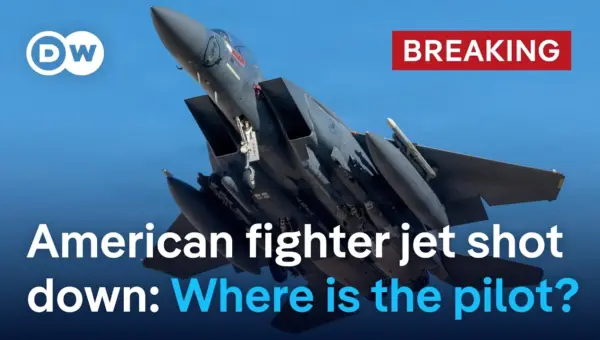
An American F-15 fighter jet has been shot down over Iran, with U.S. officials confirming the loss but offering few details on the crew's fate. The incident occurs amid widespread public opposition to the war and raises questions about Iran's air defense capabilities.


US Pilot Downed in Iran: A High-Stakes Search
A US pilot ejected over Iran has triggered a high-stakes search operation, with both nations vying to find him. The pilot's capture could significantly shift the conflict's dynamics, potentially leading to hostage situations and altering geopolitical leverage. This incident highlights Iran's asymmetric warfare tactics against US military dominance.