US-Israel Strikes on Iran Spark Regional Alarm, Diplomatic Fallout
Joint U.S.-Israel strikes on Iran have triggered regional alarm and an emergency UN Security Council session, raising fears of wider conflict. Experts cite the U.S. withdrawal from the Iran nuclear deal in 2018 as a key factor in the escalating tensions. Immediate concerns focus on Iran's nuclear material security and the long-term impact on diplomatic trust.

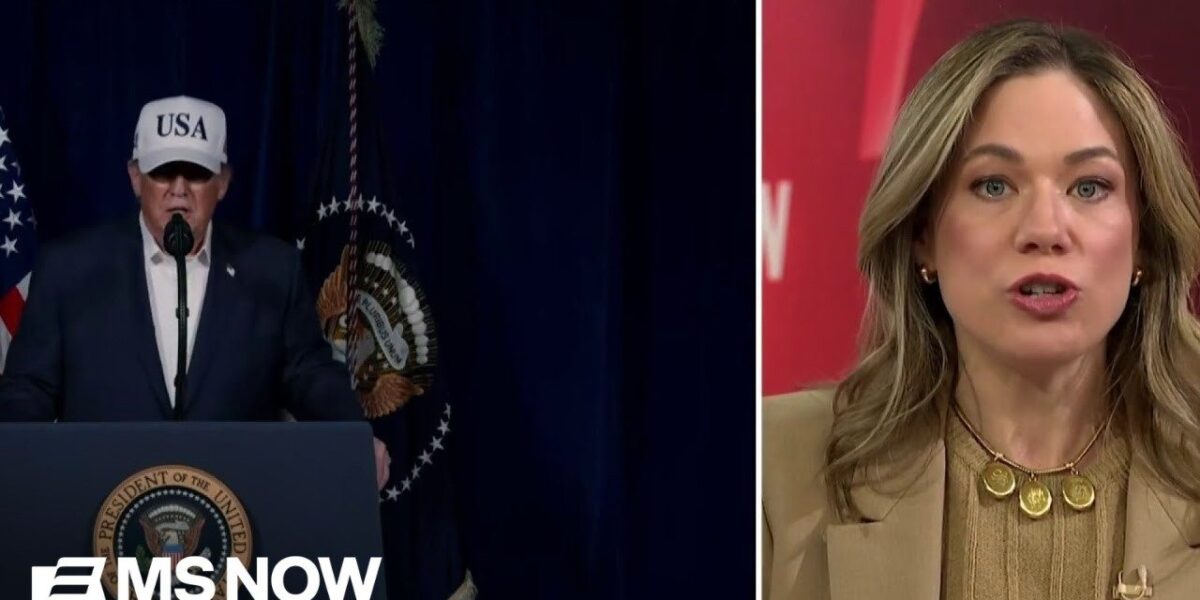
An emergency session was convened at the United Nations Security Council this week to address the joint United States-Israel strikes on Iran, codenamed “Operation Epic Fury.” The retaliatory missile strikes across the region have ignited widespread alarm about a potential wider conflict, despite intensive negotiation sessions aimed at de-escalating tensions. French President Emmanuel Macron had called for the urgent meeting, stating on X, “The ongoing escalation is dangerous for all. It must stop.” Meanwhile, Canadian Prime Minister Mark Carney expressed support for U.S. actions to prevent Iran from acquiring nuclear weapons but explicitly ruled out Canadian military involvement.
Roots of Escalation: The Iran Nuclear Deal and its Aftermath
Robert Malley, former U.S. Special Envoy to Iran (2021-2023) and Middle East Advisor to President Obama, traced the current crisis back to President Trump’s 2018 decision to withdraw the United States from the Iran nuclear deal. “There’s one obvious starting point, which is President Trump’s decision in 2018 to tear up the nuclear deal that had constrained and had met the objectives of ensuring that Iran could not try to develop a bomb without the U.S. knowing way ahead of time and being able to take steps to prevent it,” Malley explained. He argued that prior to this withdrawal, Iran’s nuclear program was “in a box” under strict constraints. The subsequent escalation, he contended, is a direct consequence of that decision.
Malley also pointed to recent negotiations, which he stated were on the verge of producing an even more stringent deal to curb Iran’s nuclear capabilities. However, he noted that President Trump ultimately chose to strike rather than finalize this agreement, further contributing to the current volatile situation.
International Community’s Response and Shifting Dynamics
Ambassador Michael Froman, President of the Council on Foreign Relations and former U.S. Trade Representative, commented on the international community’s response. “Very few governments other than perhaps Russia, China, North Korea have any for this regime,” Froman observed, suggesting that many nations are quietly supporting the idea of regime change in Iran, contingent on the nature of any successor government. He expressed hope for a move towards a “pluralistic democracy” rather than replacement by another authoritarian structure.
Froman acknowledged, however, the immediate concerns regarding widening retaliation and the possibility of a regional war, given Iran’s history of taking retaliatory steps globally. “There are concerns by other countries,” he stated, particularly among Iran’s neighbors who have long desired a change in the Iranian regime but saw little prospect of it occurring internally.
Decades of Threats: Israel’s Perspective
The article highlighted Israel’s long-standing and vocal opposition to Iran’s nuclear ambitions. A historical clip of Israeli Prime Minister Benjamin Netanyahu was presented, in which he repeatedly warned about Iran’s race to develop nuclear weapons, stating, “Time is running out. We have to act.” Netanyahu’s past assertions, dating back decades, emphasized Iran’s capability to produce a nuclear weapon in a “very short time” if it chose to do so.
Reacting to these decades-long warnings and the subsequent decision to launch strikes, Malley questioned whether the primary driver was indeed nuclear weapons or a broader desire for regime change. “I think it’s been about both,” he posited. “I think there has been on the U.S. side at least a genuine concern about Iran’s nuclear program. I think on the part of the Israeli prime minister, it has been a desire to rid itself of this regime and of using any reason that they could think of to do that.” Malley noted that Israel has consistently sought to convince the U.S. public that Iran was on the verge of acquiring a nuclear weapon, ultimately achieving its objective of drumming up support for military action.
Unprecedented U.S.-Israel Coordination
Malley also found the joint U.S.-Israel military operation to be historically significant. “It is quite remarkable. This is probably the first time at least that I could recall, that the U.S. and Israel are participating together in a war in the region. In the past, the U.S. tried to keep Israel at arm’s length for fear of what it would do to the credibility or the reputation of the operation. This time they’re in lockstep and it says a lot about the state of President Trump’s and Prime Minister Netanyahu’s relationship,” he remarked.
Looking Ahead: Nuclear Security and Diplomatic Trust
Ambassador Froman emphasized the immediate priorities following the strikes. “Right now we should be focusing on, one, what is going to be the new leadership in Iran, what’s going to happen to the people of Iran and minimizing, of course, any collateral damage there,” he stated. A critical, yet under-discussed, issue he raised is the security of Iran’s enriched uranium stockpile. “Where are the 450 kilograms of enriched uranium? Is somebody thinking about how to secure them in the context of what is now a very unstable situation in Iran? That seems to be a pretty high priority if we’re going to really make sure that Iran does not progress towards nuclear capability,” Froman urged.
Regarding the impact on future diplomacy, Malley expressed deep concern about the erosion of trust in U.S. negotiations. “The obvious answer is no,” he responded when asked if countries would believe in good-faith negotiations with the U.S. moving forward. He reiterated that President Trump’s past actions, including withdrawing from the nuclear deal and now engaging in strikes amidst negotiations, instill a “degree of non-confidence in the reliability of America’s word.” Malley concluded that adversaries would likely question whether U.S. negotiators hold real power or if talks are merely a pretext for future military action, a pattern he believes has been established over the last two years.
Source: Former Special Envoy to Iran: U.S.-Israel joint strikes “say a lot” about leaders’ relationship (YouTube)

Related Articles


Air Travel Chaos Erupts as Gulf Conflict Shuts Skies
Tens of thousands of passengers are stranded as the conflict in the Persian Gulf forces widespread airspace closures, disrupting global air travel. A tourist in Israel described witnessing air strikes and the desperate search for escape routes amidst rapidly changing travel options.

Senator Coons Questions Trump’s Iran Strategy After Troop Deaths
Senator Chris Coons has sharply criticized President Trump's strategy in Iran following the deaths of three U.S. service members. Coons questioned the intelligence regarding Iran's nuclear proximity and the lack of clear strategy and congressional debate for the "war of choice."
US Strikes Iran: What’s Next for Trump’s Regime Change Strategy?
The U.S. has launched significant strikes against Iran, targeting its leadership and military capabilities. While President Trump claims progress, experts question the long-term strategy, potential diplomatic engagement, and support for the Iranian people amidst a leadership vacuum.