US, Israel Strike Iran; Strait of Hormuz Closed
The United States and Israel have launched a major military attack on Iran, striking numerous targets including the capital Tehran. In response, Iran has vowed retaliation and reportedly targeted U.S. bases, while closing the vital Strait of Hormuz to all shipping.

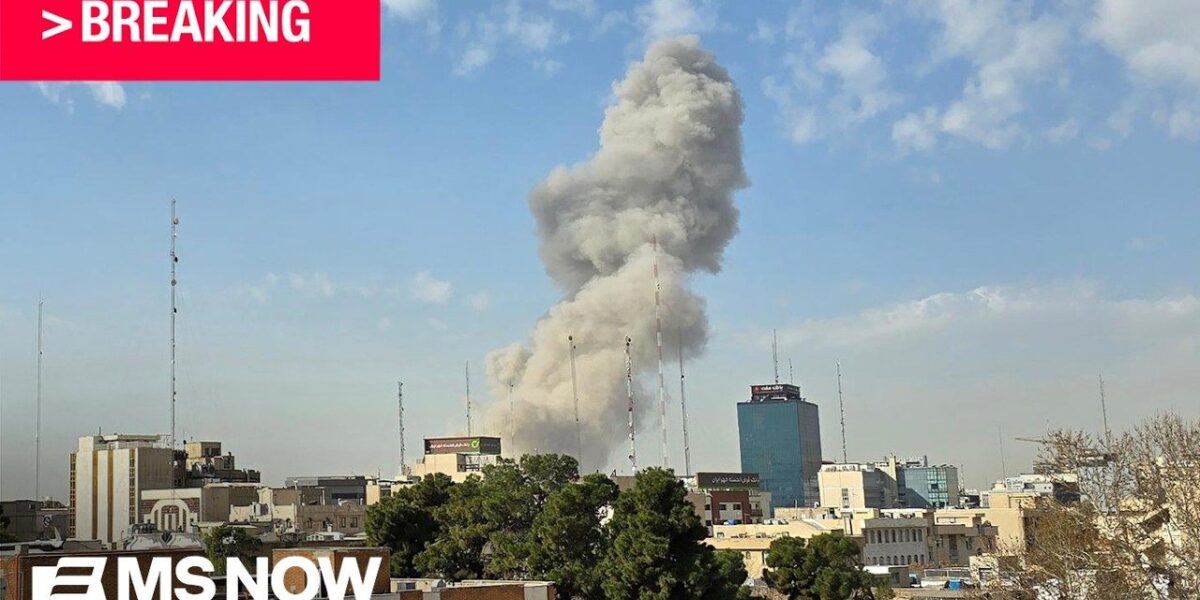
Joint US-Israeli Forces Launch Major Attack on Iran
Early this morning, Eastern Time, the United States and Israel initiated a significant military operation, striking numerous targets across Iran, including the capital city of Tehran. Reports indicate that areas near the presidential residence and the office of Supreme Leader Ali Khamenei sustained extensive damage. The whereabouts of Khamenei, who has not been publicly seen for weeks, remain unconfirmed.
Iran Vows “Crushing Response,” Reports US Base Strikes
In the wake of the strikes, Iran has declared it is preparing a “crushing response” against the U.S. and Israel. Iranian state media has reported retaliatory missile attacks targeting multiple U.S. military bases in the region. Multiple large-scale missile and drone attacks launched by Iran towards Israel were reportedly intercepted and shot down by Israeli defenses. Additionally, Iranian rockets were fired towards U.S. allies in the Persian Gulf, including Saudi Arabia and Jordan, with one projectile landing in Syria.
“As far as I understand, all senior leadership in Iran is alive,” stated Iran’s Foreign Minister in an interview with NBC News this morning, addressing concerns about the safety of the country’s top officials.
Dubai Hotel Fire Amidst Escalating Tensions
Dramatic footage emerged showing a fire at the Fairmont Hotel in Dubai, located in the Palm Jumeirah area. Dubai authorities confirmed a fire in the vicinity, stating it has been secured and brought under control. It remains unclear whether the incident was a direct missile strike or the result of debris from missile interceptions. The situation has led to widespread flight cancellations, with the airspace over Dubai, Abu Dhabi, Bahrain, and Qatar reportedly closed.
Alex Bokey, an individual present in Dubai, described hearing a loud noise and witnessing the Fairmont Hotel engulfed in flames approximately 150 yards away. He described the experience as “super unexpected” given the hotel’s location. Bokey and his companions quickly left the area, opting to drive towards the desert to seek shelter away from populated areas, preparing for potential further escalation.
Strait of Hormuz Closed, Oil Shipments Halted
In a significant development impacting global energy markets, oil companies have suspended shipments through the Strait of Hormuz, a critical chokepoint for global oil transport. Reports confirm that the Strait is now closed to all shipping, including oil tankers, effectively cutting off transit between the Persian Gulf and the Gulf of Oman. This closure impacts approximately one-fifth of the world’s oil supply.
White House Response and Strategic Objectives Unclear
The White House has remained notably quiet regarding the specifics of the operation and its strategic objectives. President Biden released a video statement using the term “war” and framing the action as an effort towards “regime change” and sending a message to the Iranian people. However, the administration has not clarified the mechanisms for achieving these goals or provided a defined timeline or end game for the military action.
Sources indicate that President Biden spoke with Israeli Prime Minister Benjamin Netanyahu, and Senator Marco Rubio has reportedly made calls to members of the Congressional Gang of Eight. Despite the gravity of the situation, the administration’s public communication has been limited, leaving many questions unanswered about the justification and future implications of the strikes.
Broader Implications and Regional Instability
The joint U.S.-Israeli strikes and Iran’s subsequent retaliatory actions mark a significant escalation in the ongoing regional tensions. The closure of the Strait of Hormuz poses a direct threat to global economic stability, potentially triggering a surge in oil prices and disrupting supply chains. The involvement of multiple regional actors, including U.S. allies in the Persian Gulf, further heightens the risk of a wider conflict.
The situation underscores the volatile geopolitical landscape of the Middle East. The administration’s stated objective of regime change in Iran, coupled with the lack of clear strategy, raises concerns about potential long-term consequences and the risk of unintended escalation. The international community is closely monitoring developments, with calls for de-escalation and diplomatic solutions likely to intensify.
What to Watch Next
All eyes remain on Iran’s next move and the U.S. and Israeli response. The global impact of the Strait of Hormuz closure will become increasingly apparent in the coming days. Diplomatic efforts to contain the conflict and prevent a broader regional war will be crucial. The international community will be looking for clear communication from the involved parties regarding their objectives and commitment to de-escalation.
Source: BREAKING: U.S., Israel forces strike Iran, Strait of Hormuz closed (YouTube)

Related Articles
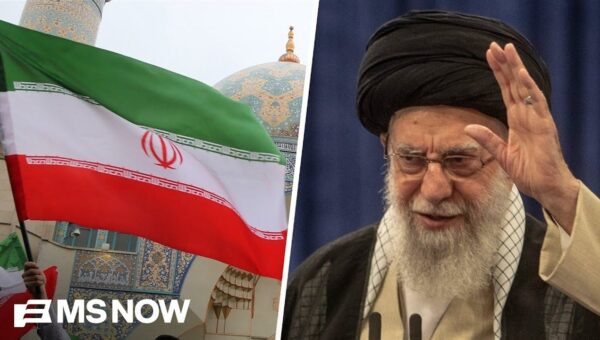
Iran Celebrates After Israeli Strikes Eliminate Top Leaders
Following Israeli airstrikes that reportedly killed Iran's Supreme Leader and top staff, celebrations have erupted among the Iranian diaspora. While a "monumental event," analysts caution against immediate expectations of a smooth democratic transition due to the IRGC's power and a divided opposition.

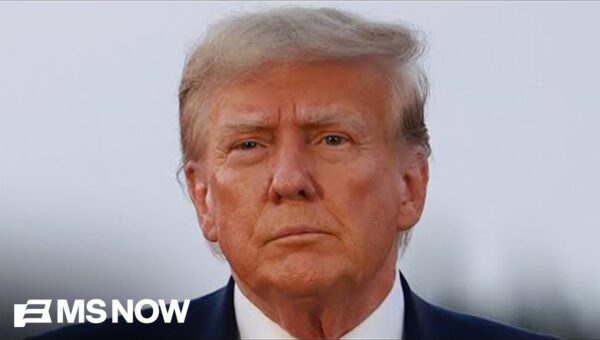
Dem Rep. Gomez: Trump Was Never Truthful About Peace
California Congressman Jimmy Gomez criticized the Trump administration's handling of intelligence regarding Iran, stating the President was "never truthful" about his intentions. Democrats plan to force a vote on a War Powers resolution, arguing the recent military actions lacked justification and congressional approval.

Trump Open to Iran Talks After Attacks, Shifts on Regime Change
President Trump has agreed to negotiate with Iran's new leadership following recent U.S. and Israeli attacks, signaling a potential shift from his regime change objective. The move has drawn scrutiny from former officials who question the strategic coherence of U.S. policy.