US, Israel Intensify Strikes Against Iran in Escalating Conflict
The United States and Israel have escalated their military operations against Iran, entering a "big scale hitting phase" targeting critical infrastructure and security forces. President Trump defended the preemptive strategy, stating it prevented an imminent Iranian attack. Meanwhile, tensions rise in Lebanon as Israeli strikes expand, drawing parallels to historical conflicts.

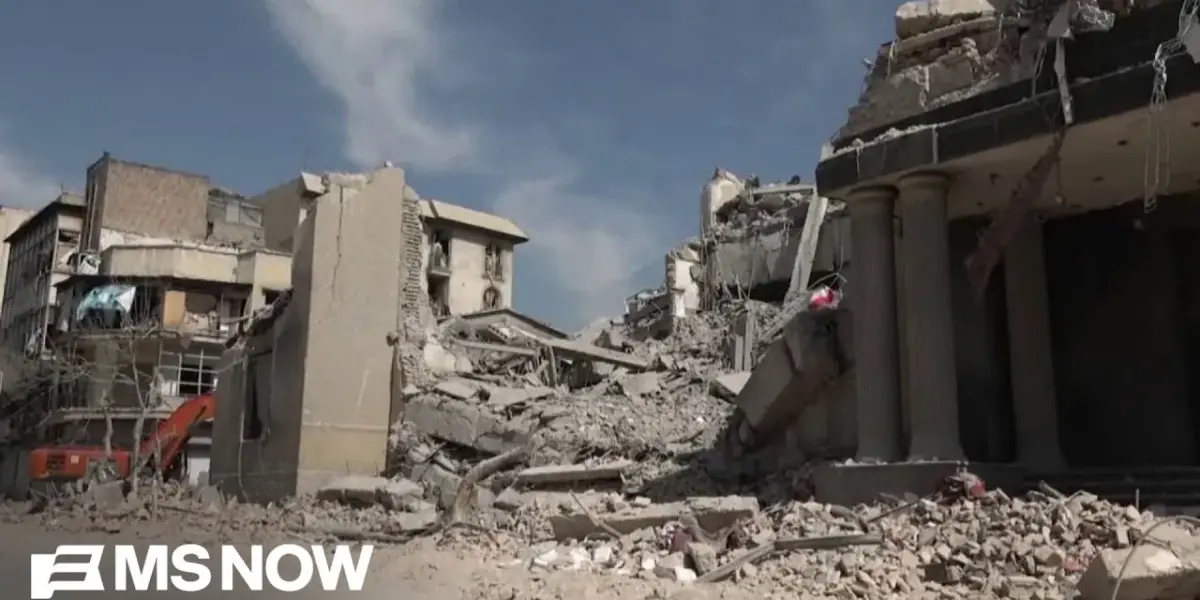
US and Israel Escalate Military Operations Against Iran
The United States and Israel have significantly intensified their military operations against Iran, entering what is described as a new, large-scale phase of the conflict. For the fifth day, strikes continue to target Iranian infrastructure, with joint US-Israeli forces reporting nearly 2,000 targets and over 2,000 munitions deployed since the war began. U.S. Central Command confirmed ongoing 24/7 strikes within Iran, a move President Trump defended by stating Israel acted to prevent an imminent Iranian attack.
Trump Defends Preemptive Strike Strategy
President Trump addressed the escalating situation, pushing back against claims that Israel has drawn the United States into war. “If we didn’t do it, they were going to attack first,” Trump stated, explaining his administration’s rationale. He suggested that his actions may have preempted Israel’s hand, ensuring readiness on both sides. “We have had a very, very powerful impact because virtually everything they have has been knocked out,” Trump added, emphasizing the effectiveness of the joint operations.
“We have had a very, very powerful impact because virtually everything they have has been knocked out.”
President Trump
Shifting to “Big Scale Hitting Phase”
Intelligence veterans and White House sources indicate a strategic shift into a “big scale hitting phase.” This involves targeting regime security forces, including the Basij militia and the IRGC, which are responsible for internal repression. One source noted the ability to “destroy ANY TARGET of our choosing in the country,” with a specific focus on crippling Iran’s strategic nuclear and missile programs. The success in neutralizing Iranian air defenses is cited as a key factor enabling these open-shot operations.
An intelligence official described the psychological impact on Iranian military and intelligence personnel, stating, “You have no orders, no pay, perhaps a different boss or a different regime next week.” However, caution remains, as there is currently no evidence of regime fragmentation, suggesting the Iranian leadership remains cohesive despite the intense pressure.
Assessing Iran’s Missile Capabilities and Asymmetric Warfare Concerns
While precise missile expenditure figures remain fluid, reports indicate a significant decrease in Iranian missile launches. Initial volleys on the first day reportedly numbered 350, dropping to 50 by the fourth day. Despite this decline, Iran has demonstrated residual capability, with reports of missile and drone attacks continuing into Lebanon and Israel. The concern of asymmetric warfare, where Iran could employ less conventional tactics against U.S. and allied positions throughout the Gulf, remains a critical consideration.
Tensions Rise in Lebanon Amidst Israeli Strikes
In Lebanon, the situation is described as “tense” as Israel expands its strikes beyond southern Lebanon to the southern suburbs of Beirut and the Bekaa Valley. Warnings have been issued for Iranian diplomats to leave the country, and residents of southern Lebanon up to the Litani River have been urged to evacuate. Analysts suggest a potential ground incursion into Lebanon is likely.
Kim Ghattas, reporting from Beirut, noted the distinct nature of the current conflict compared to previous Israel-Hezbollah clashes. “It is feeling very different this time, because it is part of this larger conflict, which, you know, feels a little bit like Armageddon from where we’re sitting,” she stated. Anger is reportedly high within Lebanon, including among Hezbollah’s Shia constituency, due to the group’s decision to launch missiles against Israel, which has drawn the country into the wider conflict and resulted in displacement and loss of homes.
“It is feeling very different this time, because it is part of this larger conflict, which, you know, feels a little bit like Armageddon from where we’re sitting.”
Kim Ghattas
Historical Echoes and Public Opposition to Wider War
The current conflict is drawing parallels to historical events, notably the 1982 Israeli invasion of Lebanon and the 1983 Marine barracks bombing. Calls from figures like Senator Lindsey Graham for U.S. involvement to avenge the barracks bombing are contrasted with broad American public opposition to an expanding war in the Middle East. Polling suggests a significant majority of Americans are against such an escalation, a sentiment that could influence upcoming elections.
Looking Ahead
As the conflict evolves, attention will focus on the sustainability of the joint US-Israeli offensive, Iran’s capacity for asymmetric retaliation, and the potential for further escalation in Lebanon. The international community will be closely watching for any signs of internal shifts within the Iranian regime and the impact of public sentiment on U.S. foreign policy decisions regarding the region.
Source: U.S. and Israel continue striking targets in Iran (YouTube)

Related Articles


Nepal Election: Caught Between India and China’s Influence
Nepal's upcoming election is a critical moment, with the nation caught between the geopolitical influences of its giant neighbors, India and China. The outcome will shape the country's foreign policy and economic development as it navigates its strategic position.


US Regime Change: A Pattern of Failed Intervention
The repeated attempts by the U.S. to engineer regime change have historically failed, often exacerbating conflicts and creating instability. This analysis explores the flawed premise of removing leaders without a viable plan for post-intervention governance.
Russia’s Iran Deal: A Partnership’s Limits Revealed
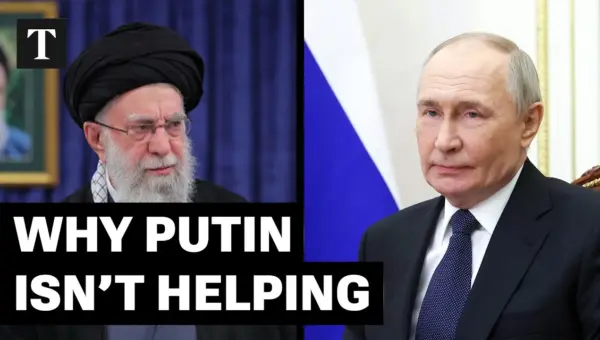
The strategic partnership between Russia and Iran is being re-evaluated as questions arise about its mutuality and Russia's capacity to fulfill its commitments. Journalist Joe Luke Barnes discusses the shifting dynamics, Russia's limited global reach, and the enduring legacies of the Soviet Union.