US, Israel Clash Over Iran War Goals Amid Escalating Tensions
The U.S. and Israel are pursuing divergent goals in the conflict with Iran, revealing cracks in their strategic alliance. Recent strikes on energy facilities and retaliations highlight differing objectives, with potential global economic consequences. Experts question the justifications for the war and the long-term impact on Iran's nuclear ambitions.

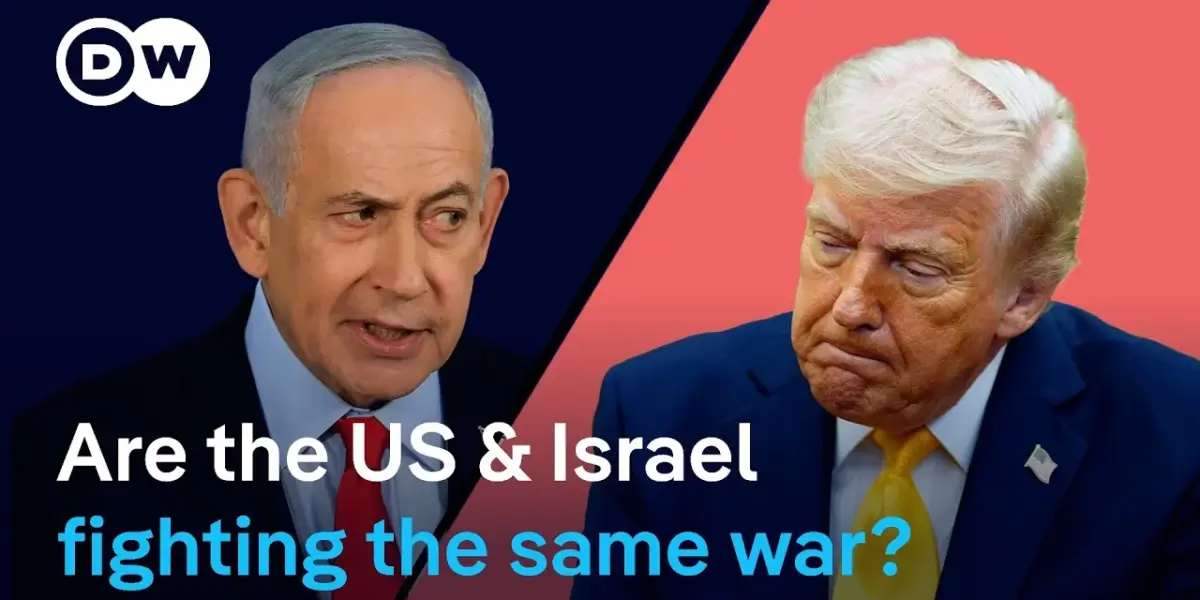
US and Israel Divided on Iran War Aims
The United States and Israel, long-standing strategic partners, appear to be pursuing different objectives in the ongoing conflict with Iran. While both nations share a common adversary, recent actions and statements reveal a significant divergence in their war aims, raising questions about the strength of their alliance. This friction was highlighted by recent Israeli strikes on Iranian energy infrastructure and Iran’s subsequent retaliation.
Divergent Objectives Exposed
Director of National Intelligence, Avril Haines, stated that the objectives set by the U.S. President differ from those of the Israeli government. According to insights from former Middle East negotiator Aaron David Miller, Israel’s focus has been on disrupting Iran’s leadership, while the U.S. President’s stated goals include crippling Iran’s ballistic missile program and its naval capabilities.
“The objectives that have been laid out by the president are different from the objectives that have been laid out by the Israeli government.”
Avril Haines, Director of National Intelligence
This difference in focus became starkly evident when Israel targeted Iran’s South Pars natural gas field. Iran responded by striking Qatar’s Ras Laffan liquefied natural gas hub, a critical global energy facility. These actions underscore the escalating tensions and the potential for wider regional instability.
Trump’s Reaction and Netanyahu’s Response
Former President Donald Trump expressed anger over the Israeli strike on the South Pars gas field, suggesting it was a violent overreaction. He claimed the U.S. was unaware of the attack, a statement that Aaron David Miller questioned, suggesting the U.S. likely had knowledge and acquiesced. In contrast, Israeli Prime Minister Benjamin Netanyahu asserted that America and Israel were acting in unison, outlining Israel’s three core objectives: eliminating the nuclear threat, countering ballistic missiles, and creating conditions for the Iranian people to control their destiny.
Analysis of War Strategy and Outcomes
Miller, drawing on his extensive experience as a Middle East negotiator, expressed skepticism about the U.S. President’s claims of having already achieved stated objectives. He suggested the war continues because there is an underlying goal to create maximum disruption and chaos within the Iranian regime, hoping it will fracture or weaken to the point of losing control. Miller also noted that while Israel might be re-evaluating the possibility of regime collapse through sustained strikes, a transition to a non-IRGC-dominated regime remains a distant prospect.
Global Economic Impact and Shifting Alliances
The conflict has had significant global repercussions, particularly on oil markets. Miller identified civilians, the global economy, and Gulf states as the primary losers, while Vladimir Putin and Benjamin Netanyahu emerged as potential winners. The ongoing disruption in crucial shipping lanes, like the Strait of Hormuz, is expected to prolong the conflict and necessitate efforts to reopen these vital waterways, potentially with limited allied support.
Netanyahu’s Political Calculus
Despite claims that the war might end sooner than expected, Miller suggested that Netanyahu benefits from its continuation. The conflict shifts the political narrative away from the Palestinian issue, a sensitive topic for his government, and solidifies his relationship with Donald Trump. Trump’s popularity in Israel could be a crucial factor in Netanyahu’s upcoming election bid, suggesting that Trump’s decision on when the war ends will heavily influence Netanyahu’s political strategy.
Iran’s Nuclear Ambitions and U.S. Justifications
Addressing Iran’s nuclear program, Miller refuted claims of its destruction, stating that scientific knowledge cannot be unlearned. He argued that Iran will maintain the capacity to pursue nuclear weapons as long as the current regime remains in power. Miller also challenged the U.S. President’s justifications for the war, labeling claims about Iran being weeks away from a weapon, possessing long-range ballistic missiles, or preparing to attack the U.S. as false. He posited that the regime, if it survives, might accelerate its nuclear efforts as a safeguard against future military action.
U.S. Troop Deployment and Public Opinion
Regarding the deployment of U.S. troops, Miller clarified that while large-scale combat deployments like those in Iraq and Afghanistan are unlikely and would face public opposition, smaller, targeted operations are possible. This could include special operations forces searching for nuclear materials or Marines securing key facilities. The U.S. public, he believes, desires a swift end to the conflict, with casualties being the primary concern. The current situation may necessitate escorting tankers through the Strait of Hormuz, a complex naval and air operation.
Source: Is the alliance cracking between the two strategic partners? | DW News (YouTube)

Related Articles

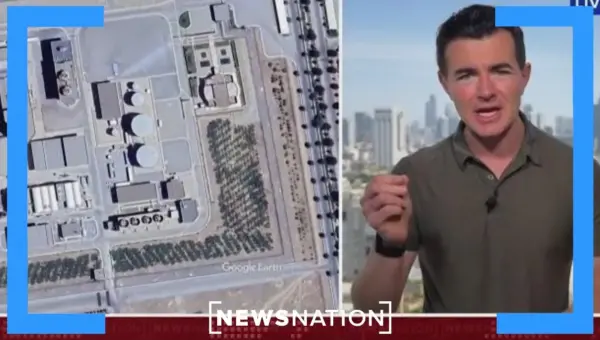
Iran War Escalates, Allies Join Fight for Strait of Hormuz
The conflict in the Middle East intensifies as Iran faces expanded strikes from Israel and retaliatory attacks across the region. The U.S. deploys thousands more troops and offers a 15-point deal, while the Houthis of Yemen join the fray with a missile attack on Israel. Allies are preparing to help secure the vital Strait of Hormuz.

Trump’s ‘Loser’ Comments Reveal Deep Insecurity, Risky Foreign Policy
Donald Trump's controversial "loser" comment reveals a deep insecurity driving his foreign policy, leading to poorly planned actions like the escalating Iran crisis. This pattern of surrounding himself with less capable individuals, rather than challenging experts, poses significant risks for international stability and suggests a dangerous approach to critical global decisions.

Iran Escalates Global Conflict, Threatens World Economy
Yemen's Houthi rebels have officially joined the conflict, launching ballistic missiles at Israel and escalating regional tensions. This move threatens vital shipping lanes like the Red Sea's Bab al-Mandab strait, potentially causing catastrophic economic consequences. Meanwhile, US soldiers have been injured in Iranian missile strikes, adding to the mounting human and financial costs of the escalating war.