US-Israel Clash Over Iran Strategy Amid Escalating Tensions
The United States and Israel are at odds over how to address the escalating crisis with Iran, revealing deep strategic divides. As military actions intensify, experts question the effectiveness of current approaches and the potential for diplomatic solutions amid regional instability.

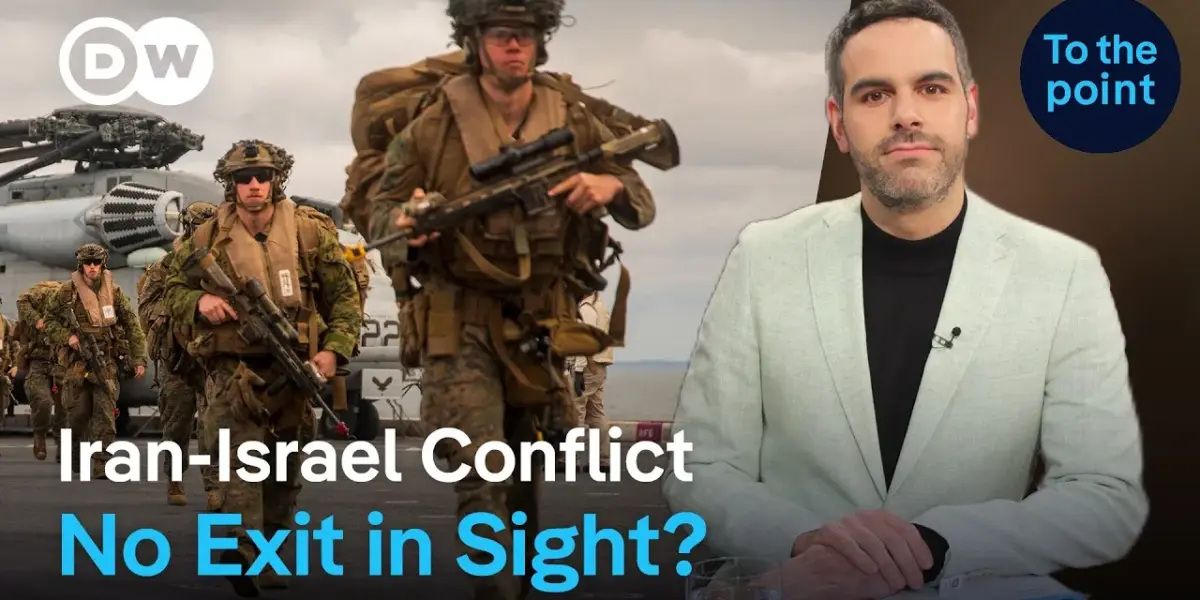
US-Israel Divide on Iran Strategy Amid Growing Regional Conflict
Washington and Tel Aviv find themselves at odds over how to handle the escalating crisis with Iran, revealing deep divisions in strategy as military actions intensify across the Middle East. While the United States pushes for direct confrontation and ultimatums, Israel faces its own front in Lebanon, creating a complex geopolitical situation with potentially devastating consequences for global stability and civilian populations.
Conflicting Approaches to Iran’s Nuclear Ambitions
The United States has adopted a hardline stance against Iran, demanding open access to the Strait of Hormuz and warning of potential risks to Iran’s energy infrastructure. This approach, characterized by increased military pressure and new demands, has been met with defiance from Tehran. Iran has rejected proposed peace plans and publicly challenged President Donald Trump’s strategy, suggesting a significant gap between U.S. objectives and on-the-ground realities.
Experts suggest that the U.S. strategy’s clarity is questionable, with goals that remain elusive. In contrast, Israel appears to have a more defined strategy, driven by both a perceived existential threat and a long-standing ambition for regional dominance. Prime Minister Netanyahu has spoken about confronting Iran for years, and the current administration under President Trump presented what he saw as an opportunity for decisive action. However, the resulting conflict is already causing widespread damage to the region, with civilians bearing the brunt of the violence.
Israel’s Multi-Front Strategy and European Concerns
While the U.S. focuses on Iran, Israel has simultaneously opened a new front in Lebanon, launching ground operations against Hezbollah. This dual-pronged approach has created friction within the U.S.-Israel partnership, raising questions about the best path forward: negotiate to stabilize global markets or continue military engagement.
From a European perspective, there’s a perceived disconnect in how the situation is viewed. While the U.S. and Israel see an imminent threat from an extremist movement aiming to undermine Western culture and values, Europe appears less convinced of this narrative. This difference in perception creates tension within the NATO alliance and could have repercussions for international cooperation.
Debate Over Military Effectiveness and Long-Term Goals
The effectiveness of the current military strategies employed by the U.S. and Israel is under intense scrutiny. U.S. military reports claim significant progress, citing the destruction of thousands of targets and a large portion of Iran’s missile and drone arsenal. However, Iran continues to retaliate, launching strikes that challenge these assessments and indicate that its capabilities are far from neutralized.
One critical assessment suggests that both the U.S. and Israel are mistakenly treating Iran as a non-state actor, applying tactics effective against groups like Hezbollah or Hamas to a sovereign nation. This approach, experts argue, fails to account for Iran’s territorial size and state apparatus, potentially leading to a prolonged and unwinnable conflict. The attack on the U.S. base at Diego Garcia, thousands of kilometers away, signals Iran’s extended reach and capacity to inflict global pain.
“The war in Iran is a success story, at least according to the U.S. military’s situation reports.”
However, contrary evidence suggests a more complex reality. Iran’s continued ability to launch attacks, including a missile strike near Israel’s nuclear research center, contradicts claims of significantly degraded military capabilities. The potential for Iran to rebuild its capabilities, including its nuclear program, raises concerns about a protracted conflict with no clear exit strategy.
The Role of Diplomacy and European Inaction
Amidst the escalating military actions, the role of diplomacy has become a central point of discussion. Experts are questioning whether current strategies will lead to capitulation or further entrenchment. The historical effectiveness of the 2015 nuclear deal, which Iran adhered to before being abandoned by the U.S., is often cited as evidence that diplomacy, not military might, can contain threats posed by Iran.
Europe has been largely a bystander in the conflict, with calls for a more active role in pursuing a ceasefire and returning to diplomatic channels. The current situation, characterized by potential new occupations in Lebanon and persistent violence in Gaza, highlights the urgent need for a regional security architecture that prioritizes de-escalation. The attack on British bases in Cyprus, linked to their support for U.S. military actions, underscores the risk of broader European involvement and potential attacks on European soil.
Path Forward: Diplomacy or Escalation?
The path forward remains uncertain, with starkly different perspectives on whether diplomacy can succeed or if further military engagement is inevitable. While some believe that eliminating Iran’s nuclear program and rocket facilities would remove an imminent threat, others argue that such military operations are unlikely to succeed and may even backfire, incentivizing Iran to pursue nuclear weapons for self-protection.
The current geopolitical climate suggests a high risk of further escalation in the coming weeks. The lack of clear communication and strategy, coupled with deeply entrenched positions on all sides, makes a short-term end to the war unlikely. The focus now shifts to whether diplomatic efforts can gain traction and prevent a wider conflict, or if the region is destined for further instability.
Key Takeaways:
- U.S. and Israeli strategies for dealing with Iran show significant divergence.
- Military actions are escalating, with concerns about civilian impact and regional stability.
- The effectiveness of current military strategies is debated, with questions about Iran’s true capabilities.
- Europe faces calls to play a more active role in promoting diplomacy and a ceasefire.
- The path to de-escalation remains unclear, with a high risk of further conflict.
Source: Iran crisis: U.S.–Israel at a crossroads | To the Point (YouTube)

Related Articles

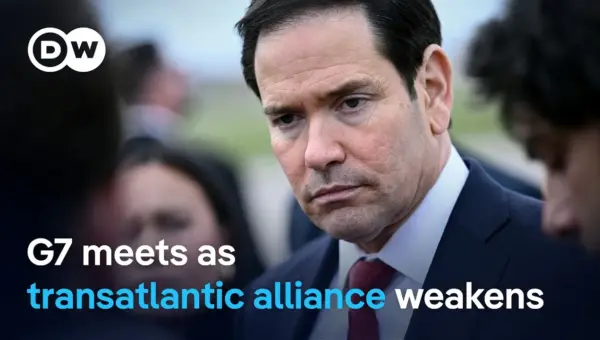
G7 Allies Clash Over Iran War Strategy, Urge Focus on Russia
G7 foreign ministers met in Paris, revealing deep divisions over the U.S. war with Iran. European allies urged the U.S. to pressure Russia, linking its actions to the conflict and fearing support for Ukraine will wane.

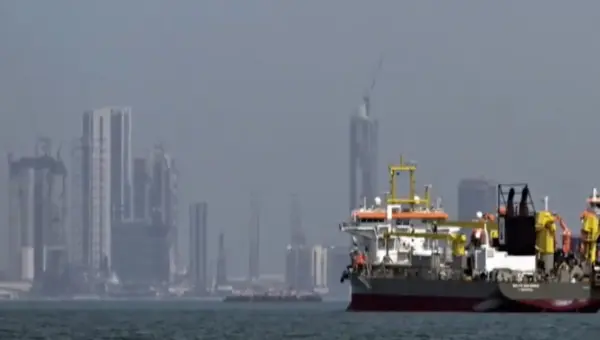
Iran Blocks China Ships, Exposing Beijing’s Weak Grip
Iran's recent decision to block Chinese ships at the Strait of Hormuz is exposing the limits of Beijing's influence in the Middle East. This action is causing delays and cancellations for Chinese manufacturers, turning a perceived geopolitical win into an economic strain.
Trump’s “Walk Away” Tactic Signals Tougher Stance on China
Retired Air Force Brigadier General David Stillwell believes President Trump's strategy of being willing to walk away from negotiations puts pressure on China. This tactic, combined with US global actions and strengthened alliances, signals a more assertive American foreign policy.