US-Iran War: Trump Claims Victory Amidst Escalation
The U.S.-Iran war intensifies with over 2,000 casualties, as Tehran vows retaliation against further strikes on its oil infrastructure. President Trump claims total victory, yet his timeline for ending the conflict remains subjective, raising concerns about strategic planning and communication.

US-Iran Conflict Intensifies as Tehran Vows Retaliation
The ongoing war between the United States and Iran has entered its third week with no clear end in sight, as escalating tensions and retaliatory actions mark the intensifying conflict. As of the latest reports, the death toll has surpassed 2,000, including at least 13 U.S. service members and hundreds of children across the region. U.S. Central Command confirmed significant strikes on over 90 Iranian military targets on the island of Qeshm, a critical hub for Iran’s oil exports. Despite the claims of devastating blows, Iranian officials have vowed a strong response.
Iran Issues Stark Warning Over Oil Infrastructure
In an exclusive interview, Iran’s Foreign Minister stated, “I THINK OUR ARMED FORCES HAVE ALREADY ANSWERED THAT THEY WOULD RETALIATE IF OUR OIL AND ENERGY INFRASTRUCTURE ARE ATTACKED, AND THEY WILL ATTACK ANY ENERGY INFRASTRUCTURE IN THE REGION WHICH BELONGS TO AN AMERICAN COMPANY OR THE AMERICAN COMPANY IS A SHAREHOLDER. SO THE REACTION WOULD BE CLEAR.” This declaration comes as a direct response to the U.S. strikes, signaling a potential for further escalation that could impact global energy markets.
President Trump Declares Victory Amidst Conflicting Signals
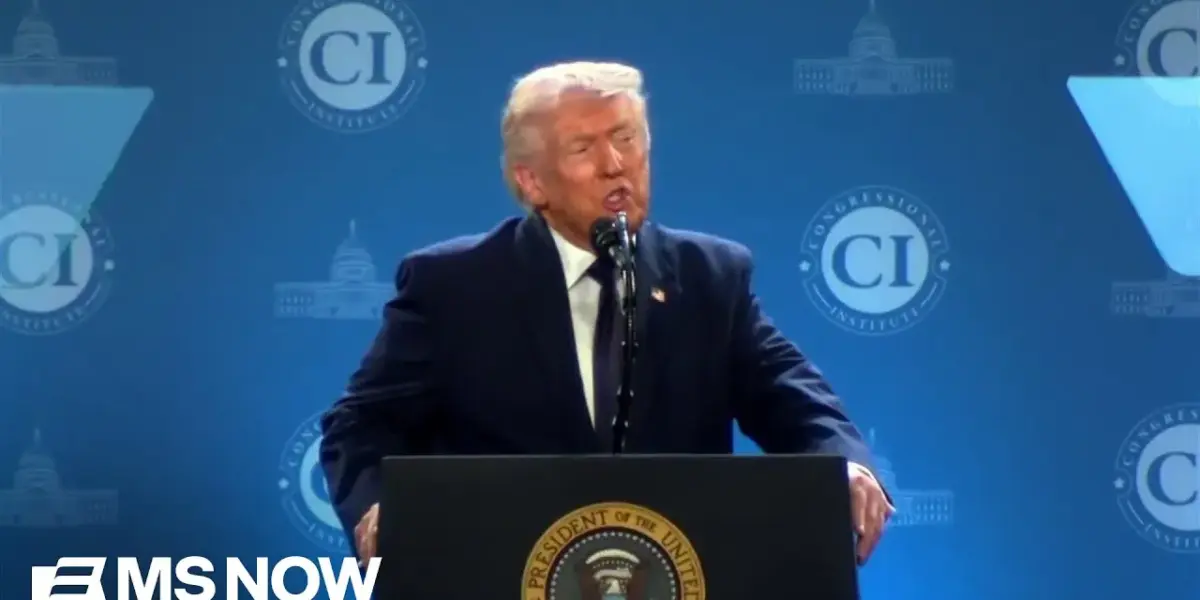
President Trump has repeatedly claimed decisive victory over Iran, posting on TRUTH SOCIAL that “THE UNITED STATES OF AMERICA HAS BEATEN AND COMPLETELY DECIMATED IRAN, BOTH MILITARILY, ECONOMICALLY AND IN EVERY OTHER WAY.” However, these assertions stand in contrast to the ongoing conflict and the President’s own shifting timelines for its conclusion. When pressed on when the war would end, President Trump stated, “I THINK YOU’LL SEE IT’S GOING TO BE A SHORT-TERM EXCURSION… IT’LL BE AS LONG AS IT’S NECESSARY. WE HAVE VIRTUALLY UNLIMITED AMMUNITION AND WE’RE USING IT… WHEN ARE YOU GOING TO KNOW WHEN IT’S OVER? WHEN I FEEL IT.” This subjective approach to determining the war’s end has raised concerns among analysts and allies.
Questions Mount Over Strategic Planning and Messaging
Critics point to a disconnect between President Trump’s declarations of victory and the reality on the ground. The initial strategy, which reportedly involved the assassination of Iran’s Supreme Leader and top generals, aimed to decapitate the regime. However, images of Iranian leadership walking openly in Tehran suggest the regime remains stable, contradicting the narrative of imminent collapse. This discrepancy has led to questions about the administration’s intelligence and strategic foresight.
“The president and the Israelis clearly thought that killing the Supreme Leader of Iran and the country’s top generals… would somehow decapitate the regime and cause it to wobble and perhaps potentially collapse. I just want to play for our viewers some of the images we got… This is not a regime that is wobbling.”
Furthermore, there are concerns about the administration’s understanding of the conflict’s basic dynamics. Reports suggest a failure to anticipate obvious Iranian responses, such as the disruption of the Strait of Hormuz, a move that could inflict significant economic pain on the U.S. This lack of foresight is compounded by confusing messaging and a perceived underestimation of the adversary.
Rhetoric and Racial Undertones Spark Controversy
A particularly alarming aspect of the administration’s rhetoric, as highlighted by commentators, involves the dehumanizing language used to describe Iranian forces and their allies. Terms like “barbaric savages” have been employed, drawing parallels to racist ideologies and a dismissal of the opponent’s capabilities. This language is seen not only as morally reprehensible but also as a contributing factor to strategic miscalculations.
One commentator noted the concerning pattern: “I THINK IT TAKES A CERTAIN AMOUNT OF ARROGANCE AND I’M ALSO GOING TO SAY IT, A BIT OF RACISM, TO CONSTANTLY TALK ABOUT PEOPLE LIKE THEY ARE SAVAGES. THAT IS A WORD WE HAVE HEARD HEGSETH USE. TALK ABOUT PEOPLE AS THOUGH THEY ARE SUBHUMAN, TOO STUPID TO ENGAGE IN A WAR WITH THE UNITED STATES, INCAPABLE OF POSSIBLY OUTMANEUVERING US. AND THEN FIND OURSELVES IN THE EXACT POSITION WHICH IT APPEARS THEY ARE CONSISTENTLY OUTMANEUVERING US.”
This rhetoric is contrasted sharply with the measured tone of military leaders, such as General Dan Crenshaw, who expressed respect for the Iranian soldiers’ fighting capabilities. His acknowledgement of the adversary’s resolve underscores a perceived gap between the highest levels of political leadership and those directly engaged in military strategy.
Allies Express Feeling of Abandonment
Adding to the concerns is the reported sentiment among key Gulf allies, who feel abandoned by the U.S. The lack of consultation or even a basic heads-up regarding the impending war has left these nations, vital to the global energy market and regional stability, unprepared for the potential fallout. This perceived unilateralism and lack of strategic coordination with allies further complicates the already volatile geopolitical landscape.
“These are our allies. These are countries we trade with… They feel totally abandoned in this moment. Why? Because the U.S. never gave them a heads up that we’re about to embark on a war that is going to draw you into this war directly…”
Looking Ahead: Unclear Endgame and Shifting Alliances
As the conflict continues, the lack of a clear endgame from the U.S. administration, coupled with internal messaging that appears disconnected from the gravity of the situation, raises significant questions about the path forward. The reliance on subjective feelings to determine the war’s end and the concerning rhetoric employed suggest a strategy in flux. The coming weeks will be critical in determining whether diplomatic channels can be effectively utilized and whether allies can be re-engaged to navigate this escalating crisis.
Source: “Hegseth and the president seem to be playing ‘Call of Duty’” (YouTube)

Related Articles
G7 Allies Clash Over Iran War Strategy, Urge Focus on Russia
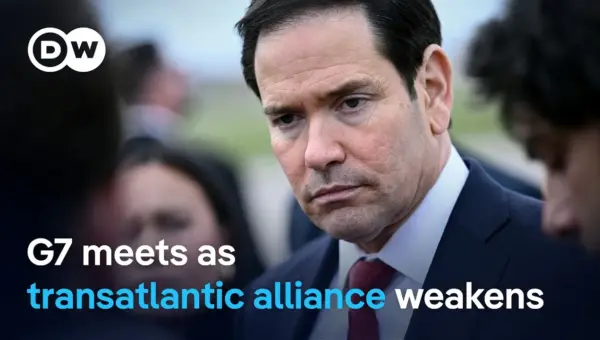
G7 foreign ministers met in Paris, revealing deep divisions over the U.S. war with Iran. European allies urged the U.S. to pressure Russia, linking its actions to the conflict and fearing support for Ukraine will wane.

Iran Blocks China Ships, Exposing Beijing’s Weak Grip
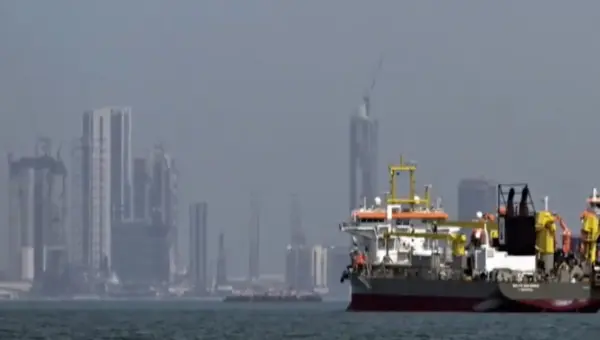
Iran's recent decision to block Chinese ships at the Strait of Hormuz is exposing the limits of Beijing's influence in the Middle East. This action is causing delays and cancellations for Chinese manufacturers, turning a perceived geopolitical win into an economic strain.
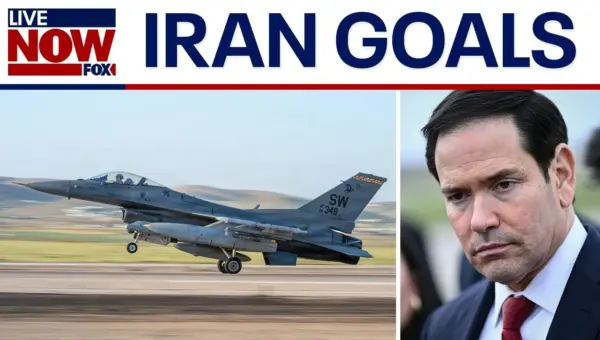
Rubio: US Can Achieve Iran War Goals Without Troops
Senator Marco Rubio outlined a strategy to counter Iran without deploying U.S. ground troops, focusing on weakening the regime and enhancing maritime security. He also criticized Cuba's economic system and expressed concerns about West Bank violence.