US Iran War Plans Decades Old, Expert Says Unprepared
A leading diplomacy expert warns that the U.S. is heading into a potential conflict with Iran with inadequate preparation, despite decades of planning. Professor Dan Plesh highlights critical logistical issues and a lack of immediate readiness, comparing the situation to entering a major war "half-cocked."

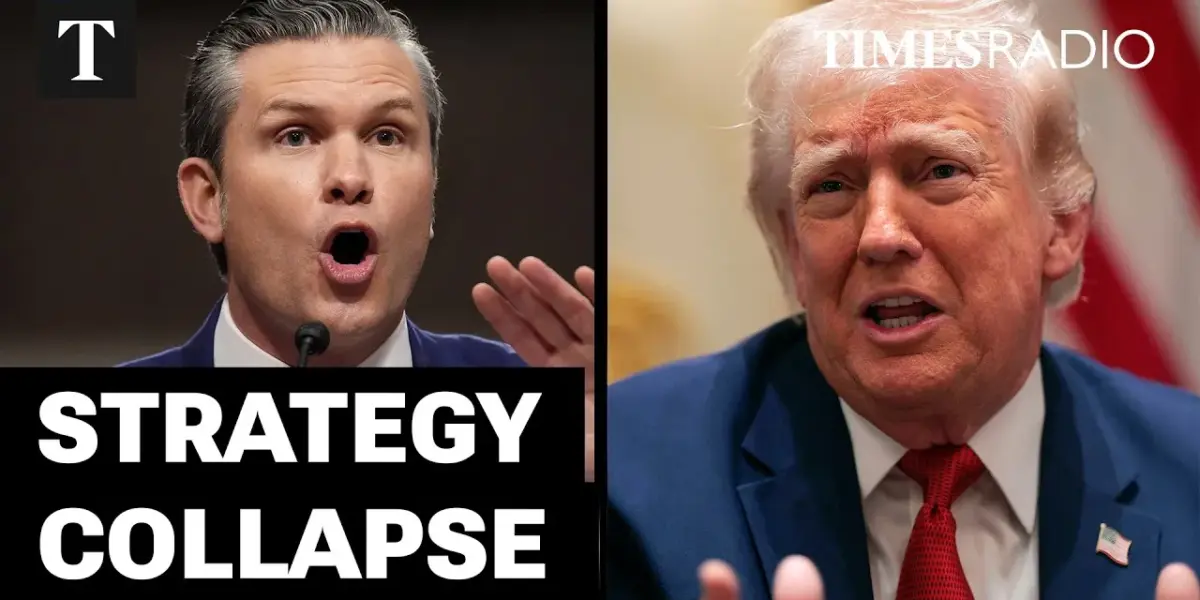
US Military Lacks Readiness for Iran Conflict, Diplomacy Expert Claims
Despite decades of planning, the United States is heading toward a potential conflict with Iran with a startling lack of preparation, according to a leading diplomacy and strategy expert. The assessment comes as tensions remain high and military movements suggest a possible escalation, with Iran’s Strait of Hormuz a key point of contention.
Decades of War Games, Little Real-World Readiness
Professor Dan Plesh, a diplomacy and strategy expert at SOAS University of London and author of a paper on considering war with Iran, stated that the U.S. has been planning for a conflict with Iran for decades. However, he described the current situation as a major war that the U.S. has entered “half-cocked.” Plesh noted that extensive war games, particularly by the U.S. Marines, have been conducted for scenarios requiring around 20,000 troops to occupy the Strait of Hormuz. He highlighted that even taking smaller targets like K Island, located far north in the Persian Gulf, would require significant additional forces and supply lines, making it a huge undertaking.
The level of incompetence particularly on the American side is breathtaking. So yes, I think we are likely to see uh a major escalation with Marines…
Plesh criticized the American approach, stating, “The Americans started this war with half the team in the dressing room.” He pointed out that key U.S. Marine forces were stationed in Japan, thousands of miles away, when an immediate response might have been needed. This lack of immediate readiness, he argued, meant the U.S. was unprepared for the actions initiated by President Trump and Secretary of Defense. While forces have now been assembled, Plesh expressed concern that expecting smooth, rational outcomes from a situation planned for 40 years but executed poorly by all sides is unrealistic.
Economic Stakes: Strait of Hormuz and Global Trade
The strategic importance of the Strait of Hormuz cannot be overstated. Iran holds significant leverage over global trade through its control of this vital waterway. Plesh explained that Iran, along with its allies the Houthis in Yemen who can disrupt Red Sea shipping, can collectively impact a huge amount of the world’s trade. He warned that current high petrol prices are likely just the beginning if these routes are threatened.
Securing both the Strait of Hormuz and the Red Sea routes would require a very large American military force. However, Plesh remains uncertain about the effectiveness of such an intervention. He compared Iran to a resilient fighter, suggesting that even if militarily outmatched, Iran’s ability to endure and strike back means a clear victory for the U.S. might be unattainable, preventing President Trump from declaring a definitive win.
Allies and the Long Road Ahead
The potential for a U.S. invasion of Iran also raises questions about allied support. Plesh noted that while NATO ally Turkey borders Iran, a ground invasion might not require Turkish territory. However, in the longer term, resupply would depend on support from Arab states in the Persian Gulf. He acknowledged that states like Saudi Arabia are currently keen to see Iran “finished off,” suggesting their support might continue.
Despite this, Plesh cautioned against optimism, drawing parallels to the costly and ultimately unsuccessful ground wars in Afghanistan and Iraq. He stated that the idea of the U.S. military succeeding on the ground in Iran after losing two major conflicts this century appears to be “utter wishful thinking.” He also touched upon the possibility of Israeli involvement, suggesting they might assist with ground operations on a smaller scale, perhaps using special forces for targeted missions.
Uncertainty and Potential for Extreme Measures
The expert also raised alarming possibilities regarding the potential escalation of conflict. He recalled discussions during the George W. Bush administration about using nuclear weapons to attack Iranian nuclear facilities, particularly underground sites. While Plesh does not personally endorse such extreme measures, he warned not to be surprised if such routes are considered, emphasizing that rational control in the situation might be an illusion, especially given the mindset of figures like Secretary of Defense.
The situation remains fluid, with the possibility of significant military action looming. The effectiveness of U.S. strategy, the willingness of regional allies, and the potential for unforeseen escalation all point to a deeply uncertain future in the region.
Source: US Went Into War 'Half-Cocked' Despite Decades Of Preparation, Says Diplomacy Expert (YouTube)

Related Articles


Trump Eyes Iran’s Oil Hub as Conflict Escalates
As tensions with Iran escalate, President Trump is reportedly considering seizing Kharg Island, a vital oil hub. The U.S. military presence in the region has grown, with the primary objective of reopening the Strait of Hormuz. However, experts warn of significant challenges in occupying territory and potential disruptions from Iranian proxies like the Houthis, impacting global energy markets.


Fear Grips Markets: Experts Urge Buying as Indexes Plunge
Major stock indexes have plunged this week, with the Nasdaq entering correction territory amid rising geopolitical fears and consumer anxiety. Despite the sell-off, investment experts are advising investors to adopt a contrarian approach, citing historical trends where markets recover after periods of intense fear.


Ukraine Offers Drone Defense to Gulf States Amid Iran Tensions
Ukraine is offering its advanced drone defense expertise to Gulf States facing threats from Iran. President Zelenskyy's diplomatic tour aims to secure security pacts, leveraging Ukraine's battlefield-tested, cost-effective solutions. This collaboration could provide crucial support for both Ukraine and its new regional partners.