US, Iran Wage Meme War Online to Sway Global Opinion
Nations like the US and Iran are increasingly using viral internet memes to influence global opinion, bypassing traditional media with rapid-fire, engaging content. This digital meme warfare aims to sway undecided audiences and control narratives on platforms like TikTok, proving faster than official statements.

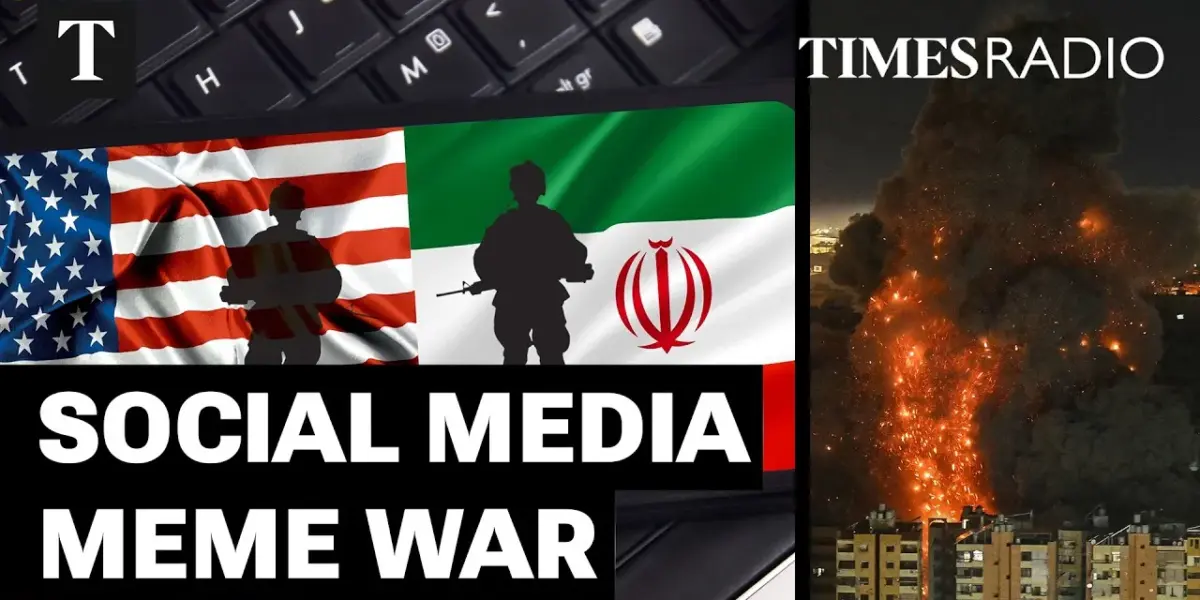
Digital Battlefield: Memes Become Weapons in US-Iran Conflict
In the shadow of military confrontations, a new kind of conflict is unfolding on the digital battlegrounds of social media. Both the United States and Iran are increasingly leveraging internet memes – easily shareable, often humorous, and visually striking content – as a potent tool to influence global perceptions and control narratives. This sophisticated online campaign bypasses traditional diplomatic channels, aiming directly at a younger, digitally-native audience susceptible to the rapid-fire dissemination of information on platforms like TikTok and YouTube Shorts.
What Exactly is a Meme in This Context?
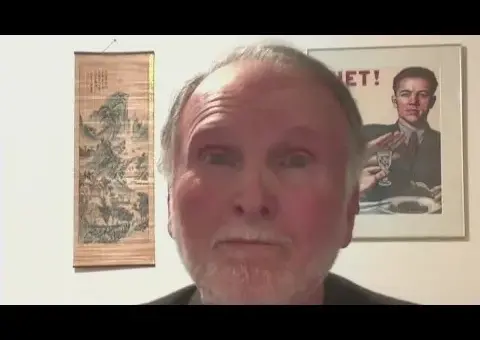
Jake Moore, a global security adviser for cybersecurity firm ESET, explained the nature of these digital artifacts in a recent interview on Times Radio. “A meme is something that could be visual to look at that can be used for a bit of a joke,” Moore stated. “They’re extremely quick to create, not just a still image but video images as well. So looking like say blockbuster style movies and games, they can be made very quickly and they can look like the actual originator has even made them.” This rapid creation and adaptability allow memes to mimic official content, making them appear authentic and more engaging than traditional propaganda.
Strategic Targets: Influencing the Undecided
The primary objective behind this meme warfare, according to Moore, is to capture attention and influence those who may be undecided or uninformed about the geopolitical issues at play. “If they’re really targeting these platforms, they might be targeting people to in fact create a view,” he elaborated. “These might be people that don’t necessarily know much about it. They might sit on the fence if it’s anything to do with something that’s in the news that they’re hearing both sides sometimes conflicting and and to just create that view. That’s what this is so powerful at doing.” By presenting complex issues in a simplified, digestible, and often provocative format, these memes aim to shape public opinion before official statements can even be formulated.
Rapid Dissemination: Memes Outpace Official Statements
Moore highlighted the speed at which memes can travel, far exceeding the reach and impact of official government pronouncements. “Memes can travel much faster than official statements,” he emphasized. “You’re not going to find the people wanting to read through these official statements if they are on very short form video platforms such as TikTok and YouTube shorts.” This inherent virality allows state-sponsored or sympathetic accounts to disseminate their messaging to millions, often before traditional media outlets can even begin to report on the events themselves. This speed advantage is crucial in controlling the initial narrative surrounding any given incident.
Examples of Meme Warfare
The transcript detailed specific examples of this digital propaganda. Iranian social media accounts have reportedly depicted figures like Donald Trump and Benjamin Netanyahu alongside Satan, often rendered as Lego minifigures, satirizing their leadership and policies. Conversely, official White House social media accounts have shared short videos that cleverly juxtapose footage from early 2000s Nintendo Wii Sports games with images of American military strikes on Iranian targets. One such video, reminiscent of the iconic Wii Sports archery or golf games, was spliced with footage of Tomahawk missiles destroying Iranian sites, a jarring combination designed to project power and perhaps trivialize the conflict for a younger audience.
The ‘Wii Sports’ Analogy: Devaluing Reputation?
The use of seemingly lighthearted content like the Wii Sports video by the White House raises questions about its impact on the reputation of official government channels. While acknowledging the potential for reputational damage, Moore suggested a strategic calculation behind such moves. “It can do very quickly, but I think they’re thinking bigger here. They’re wanting to get eyes on this content. They can potentially control a narrative,” he explained. The goal is to make content engaging enough to go viral, thereby gaining significant visibility and the ability to shape perceptions, even if it means employing unconventional and potentially demeaning tactics.
A New Battlefield: Social Media as a War Zone
Moore characterized the current online environment as a new form of battlefield. “It’s effectively a battlefield on the social media level as well,” he stated. “The fact that they can abuse those algorithms very cheaply and very quickly and they spread so fast it’s really like wildfire.” This digital arena allows actors to circumvent traditional gatekeepers of information, spread disinformation, and engage in psychological operations at an unprecedented scale and speed. The low cost and high reach make it an attractive avenue for influencing public opinion globally.
The Future of Digital Influence Operations
Looking ahead, Moore anticipates an escalation in the use of these tactics. “They’re not even worrying about copyright. They’re not worried about who it might offend and we’re only going to see this increase over time.” The lack of concern for copyright or potential offense underscores the high-stakes nature of this new information war. While the effectiveness in swaying opinions remains a subject of ongoing analysis, the sheer reach of these meme campaigns is undeniable. As Moore concluded, “The fact is they’re being seen by millions of people across the world. If that’s their goal, then that is working.” The question for governments and the public alike is how to navigate this evolving landscape of digital influence and disinformation.
Source: US And Iran Are Using Memes To Influence Views | Jake Moore (YouTube)

Related Articles

Stocks Ignore War Risks, Focus on “Taco Moments”
Stock markets appear to be overlooking the severe supply chain risks stemming from the Iran conflict, focusing instead on potential diplomatic de-escalations. While the S&P 500 shows resilience, bond and commodity markets signal deep concern over disruptions to critical resources like LNG, helium, and fertilizers.
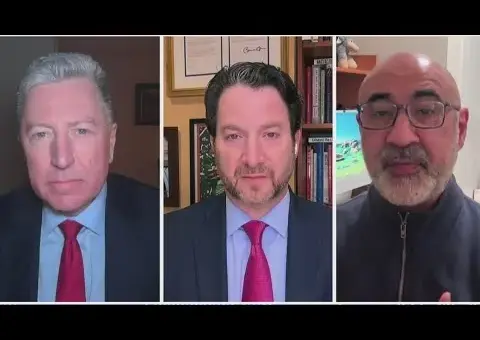
U.S. Iran Tensions Rise Amid Shifting Alliances
Rising tensions between the U.S. and Iran are creating a volatile geopolitical situation. With conflicting signals on de-escalation and potential shifts in alliances like NATO and U.S.-Israel relations, the path forward remains uncertain. The global economy and regional stability hang in the balance.

Iran Targets US With Cyberattacks, Escalating Digital Warfare
Iran is increasingly using cyberattacks to challenge the U.S., as seen in a recent hack of the FBI director's account. Experts say this is a strategic shift due to Iran's limitations in conventional warfare. The U.S. needs to strengthen its digital defenses, focusing on encryption and cloud computing, rather than solely relying on traditional security measures.