US, Iran Trade Conflicting Signals Amid Escalating Mideast Tensions
Conflicting reports emerge regarding potential peace talks between the U.S. and Iran, amidst escalating regional tensions and retaliatory attacks. While President Trump suggests progress, Iran denies any discussions, calling them 'fake news.' Meanwhile, domestic negotiations continue over Homeland Security funding, with signs of a potential deal to end the government shutdown.

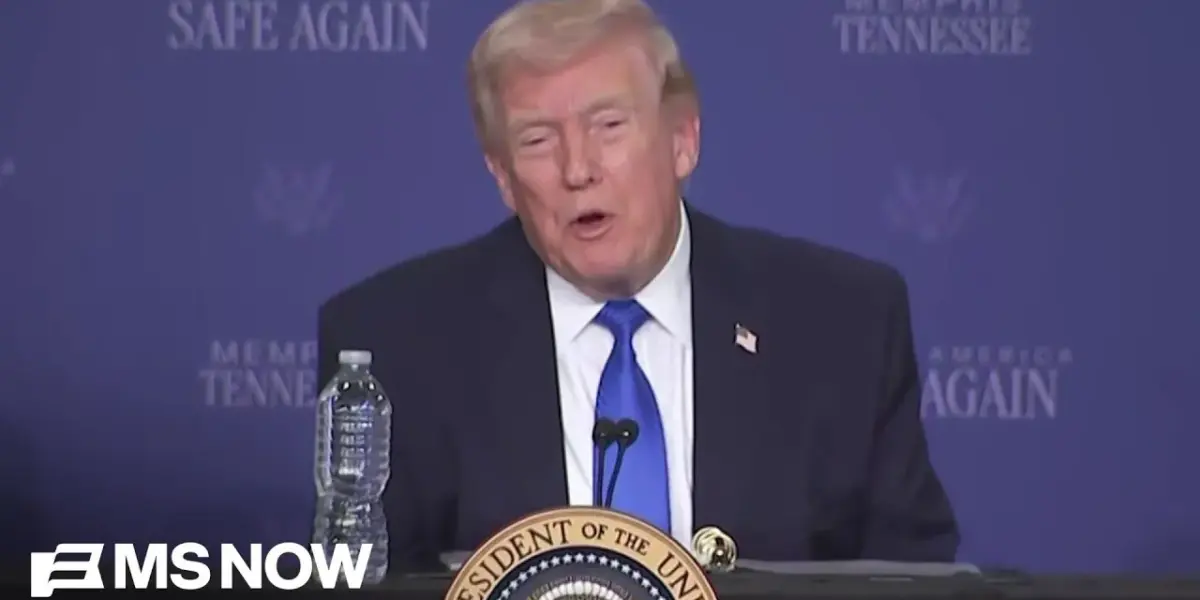
US and Iran Exchange Conflicting Messages on Peace Talks
The Middle East is experiencing heightened tensions this week, with the United States and Iran sending mixed signals about the possibility of peace talks. President Trump has publicly stated that conversations are happening and that significant points of agreement have been reached. However, Iran has strongly denied these claims. The speaker of Iran’s parliament dismissed the reports as “fake news” intended to influence financial and oil markets.
Netanyahu Weighs In Amid Regional Attacks
Israeli Prime Minister Benjamin Netanyahu commented on the situation, suggesting that President Trump believes military successes can be translated into an agreement that protects vital interests. Despite this, Netanyahu affirmed that Israel would continue its attacks in Iran and Lebanon. Damage from Israeli airstrikes has been reported across Tehran.
Iran Retaliates, Gulf Nations Report Interceptions
In response, Iran has launched retaliatory actions. An explosion and smoke were observed in Tel Aviv, resulting in damaged buildings and burning cars. Israel’s emergency services reported several injuries, with search and rescue teams deployed to the affected area. Sirens have sounded across the Gulf region, as Kuwait reported intercepting missiles, Saudi Arabia announced it destroyed drones, and Bahrain urged residents to seek safety.
Trump’s ‘Five-Day’ Negotiation Window
President Trump discussed potential negotiations with Iran during an event in Memphis, Tennessee. He expressed optimism about reaching a deal within a five-day period. “I think there’s a very good chance we’re going to end up in a deal,” Trump stated. He added that this period would show where things stand and could lead to a beneficial outcome without further escalation. This announcement came at the start of the trading week, potentially aiming to stabilize financial markets.
Backchannel Discussions and Intermediaries
National Political Reporter Ken Thomas of The Wall Street Journal explained that while public statements differ, reporting indicates backchannel discussions have occurred through intermediaries. Countries like Egypt, Turkey, and Saudi Arabia are working to de-escalate the situation and are concerned about it spreading. These nations are trying to bring the parties together. There have been discussions about a potential meeting this week, possibly involving Vice President Pence, with locations like Islamabad mentioned.
Market Impact and War’s Premise
Thomas suggested that President Trump may have seen these discussions as an opportunity. Announcing potential talks at the beginning of the trading week likely aimed to reduce financial turmoil, as markets reacted positively with stocks rising and oil prices falling after the announcement. The reporter also touched on the unclear reasons behind the conflict’s beginning, noting divided opinions within the intelligence community about an imminent threat. The White House’s efforts to influence markets through statements and social media posts were also highlighted.
Rising Gas Prices and Escalation Concerns
The impact of the conflict on American consumers, particularly through rising gas prices, was noted. The conflict was initially presented as a quick resolution to reduce tensions and eliminate threats. However, as the situation enters its fourth week and is projected as a four-to-six-week engagement, concerns are growing about potential escalation. Attacks on energy infrastructure could cause long-term damage and make efforts to lower gas prices more difficult. This week is seen as a critical point, especially given the differing goals between Israeli and American strategies.
Focus Shifts to Homeland Security Funding
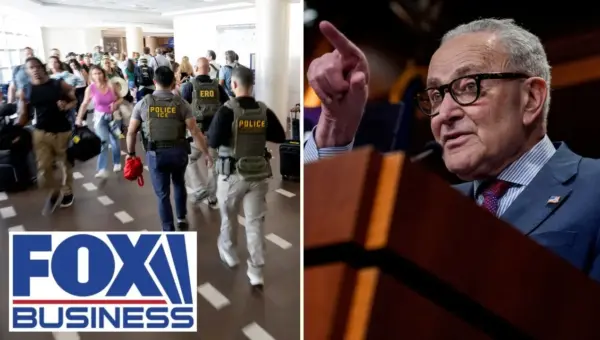
The article then shifts to domestic issues, specifically the ongoing partial government shutdown and negotiations over funding for the Department of Homeland Security. The White House announced increased deployments of ICE agents to U.S. airports to assist the understaffed TSA, which has caused significant delays during the busy spring break travel season. This move has drawn criticism as it could be seen as an escalation, mirroring some of the issues that led to the shutdown.
Potential Deal on Homeland Security Funding
Despite the tensions, there are signs of a potential deal to end the shutdown. Following a meeting at the White House, Senate Republicans believe President Trump may accept a deal that reopens the Department of Homeland Security without fully funding ICE. This would represent a shift from Trump’s previous stance. Under the proposal, additional funds for ICE could be sought later through a budget reconciliation process. This approach aims to resolve the immediate funding gap for border security agencies.
Pressure to Reach an Agreement
The extended airport security lines, seen by the public daily at the gas station, are creating pressure on both sides to reach an agreement. Senate Majority Leader John Thune indicated that linking the Save America Act to the Homeland Security funding was not a realistic path forward, signaling a need for a different approach. The deployment of ICE agents to airports is seen by some as further inflaming the situation, especially as videos circulate showing individuals being questioned or detained.
Renewed Optimism for a Deal
There appears to be a renewed sense of optimism on Capitol Hill regarding a potential deal to end the shutdown. Both Democratic leader Chuck Schumer and some Senate Republicans who met with the president seem interested in finding a resolution. However, past experiences show that deals can come together and then fall apart. The coming week will be crucial in determining whether this optimism translates into a concrete agreement.
Tragic Runway Collision at LaGuardia
In separate news, a tragic runway collision occurred at LaGuardia Airport, resulting in the deaths of two pilots, Antoine Forrest and Mackenzie Gunther. Air Canada Express flight 8646 collided with a Port Authority fire truck during landing. The truck was responding to another emergency involving a United flight that aborted its takeoff due to a suspicious odor. Air traffic control recordings captured the critical moments following the crash. Over 40 people were hospitalized, including a flight attendant with severe leg fractures. The occupants of the fire truck were also hospitalized but are expected to recover. The NTSB is investigating the incident, and while LaGuardia has reopened, the affected runway will remain closed.
Source: U.S. and Iran give conflicting signals on talks (YouTube)

Related Articles

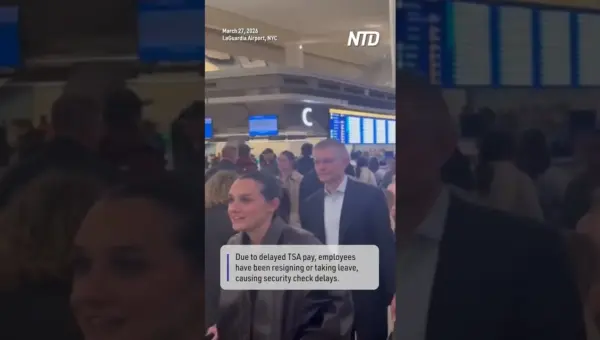
TSA Staff Cuts Create Airport Chaos for Travelers
Recent TSA agent shortages, fueled by a government shutdown and delayed pay, have caused significant delays and long security lines at major airports. This situation highlights the critical role of TSA staff and the impact of funding issues on essential services.
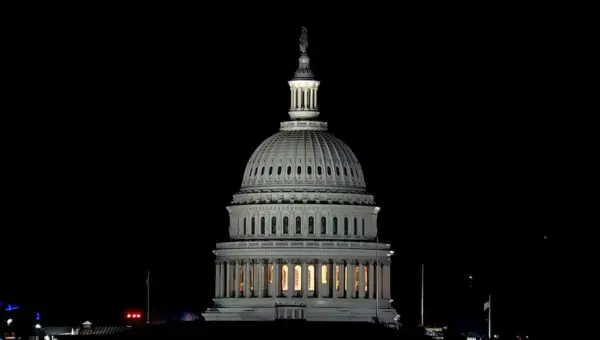
House Funds DHS, But Senate Deal Unlikely Amid Shutdown
The House of Representatives has passed a bill to fund the Department of Homeland Security, but the measure is unlikely to pass the Senate. TSA workers, who have faced missed paychecks and disruptions, may receive some pay soon due to a presidential order, but the broader shutdown continues.

DHS Funding Crisis Sparks Chaos, Congressman Blames Poor Communication
Congressman Darrell Issa blames "failure to communicate" for the DHS funding crisis leading to unpaid TSA agents and airport chaos. The House is preparing a short-term bill as security concerns rise.