US-Iran Tensions Rise Amid Nuclear Talks and Strike Threats
Amidst escalating U.S.-Iran tensions, President Trump has expressed dissatisfaction with nuclear negotiations, while military buildups in the region raise concerns of a potential strike. Diplomatic talks are set to continue, but uncertainty looms as key countries evacuate staff from Iran and surrounding areas.

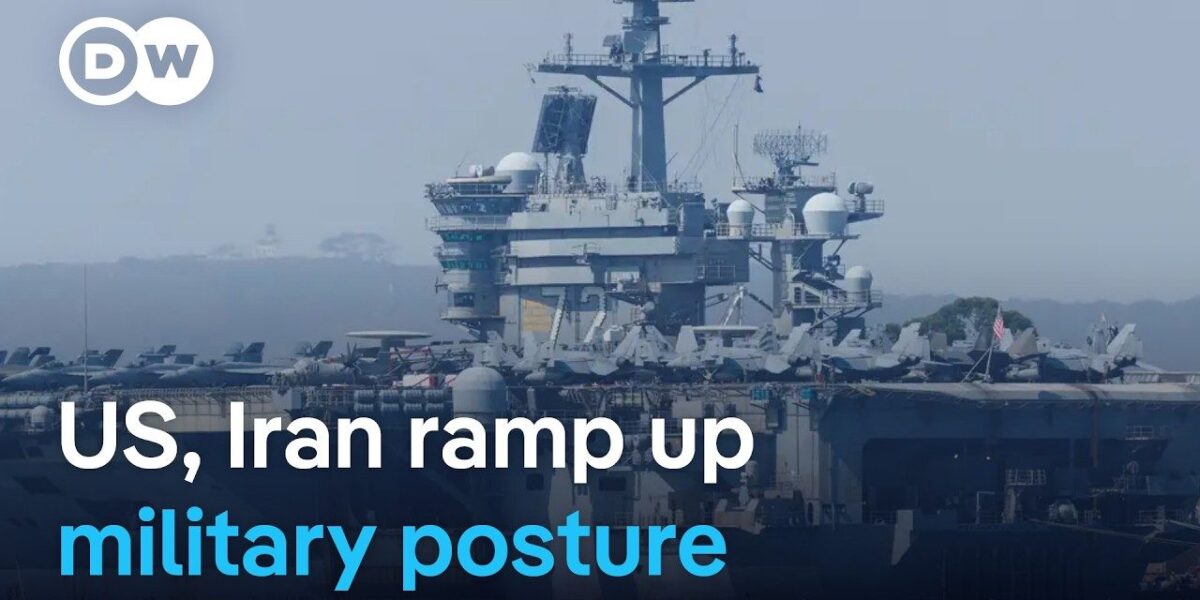
US-Iran Tensions Rise Amid Nuclear Talks and Strike Threats
Washington D.C. – The United States has intensified its stance on Iran, with President Donald Trump expressing his displeasure and signaling further diplomatic engagements amid looming threats of military action. The ongoing nuclear negotiations, coupled with a significant U.S. military buildup in the region, have heightened international concern, prompting several countries to advise their citizens to leave the Middle East. Iran, meanwhile, maintains its right to enrich uranium for peaceful purposes, denying any pursuit of nuclear weapons.
Escalating Rhetoric and Military Posturing
President Trump has been vocal about his desire for Iran to accept U.S. terms for a new nuclear deal, warning of potential military intervention should Tehran refuse. This diplomatic pressure is paralleled by a visible increase in U.S. military assets deployed in the region, a move widely interpreted as preparation for a possible strike. The heightened tensions have led to a ripple effect globally, with numerous nations issuing travel advisories urging their citizens to depart from Iran and surrounding areas due to security concerns.
Signs of Imminent Action or Strategic Maneuvering?
The evacuation of staff from diplomatic missions, including the British embassy in Tehran and allowing non-emergency personnel to depart from the U.S. embassy in Israel, has fueled speculation about the imminence of a U.S. strike. Experts suggest these actions could be twofold: a genuine precautionary measure based on intelligence indicating a potential attack, or a strategic piece of posturing designed to pressure Iran into concessions. “It could be that they have some indications that a strike might be imminent and that’s why they’re taking the precautionary steps to evacuate their staff. It could also be part of posturing to send false signals to Iranians that they have to back down or strikes could come,” explained Cena Azodi, Program Director for Middle East Studies at George Washington University.
Diplomatic Efforts Continue Amidst Uncertainty
Despite the escalating rhetoric and military posturing, diplomatic channels remain open. President Trump has confirmed that both sides are scheduled to meet again on Friday for further talks. Azodi noted that while previous negotiation rounds have seen some progress in bridging gaps between the two nations, significant differences, particularly concerning Iran’s enrichment of uranium, persist. “This does not mean that we have a deal until the issue of the principle of enrichment in Iran is resolved and we have a compromise over that,” Azodi stated. The agreement to meet again is viewed as a positive sign, yet the unpredictable nature of President Trump’s decision-making leaves the situation fraught with uncertainty. “With President Trump, anything is possible. He may not be satisfied with how fast they’re going, so he may just decide to strike,” Azodi cautioned.
U.S. Secretary of State’s Upcoming Visit to Israel
U.S. Secretary of State Mike Pompeo’s planned visit to Israel next week is expected to involve the sharing of the latest intelligence between the two allies. Azodi anticipates that Pompeo will update Israeli officials on the current status of negotiations with Iran and potentially receive intelligence from Israel that could inform U.S. strategy. This high-level exchange underscores the coordinated approach being taken by the U.S. and its key regional partners in navigating the complex geopolitical landscape.
Impact on Iran’s Internal Dynamics
The potential consequences of a U.S. military strike on Iran’s internal political landscape, particularly on any nascent democracy movements, are a subject of considerable debate. Azodi expressed skepticism regarding the efficacy of aerial campaigns in fostering democratic change. “It’s an illusion to think that aerial campaigns will bring democracy. Once the bombs start falling, people start taking shelters. They will not come to the streets to try to remove the regime,” he asserted, drawing parallels with historical examples like Vietnam, Japan, and Serbia, where air strikes proved ineffective for regime change. Azodi believes that while the U.S. may aim to weaken the Iranian regime, such actions are unlikely to galvanize the Iranian populace to take to the streets and overthrow the Islamic Republic. Regarding the role of exiled figures like Reza Pahlavi, Azodi described him as a divisive figure with a certain base of support, particularly among some Iranian youth and diaspora members, but ultimately not poised to regain significant political power within Iran.
Looking Ahead
As diplomatic talks resume and military tensions persist, the international community remains on edge, closely monitoring developments. The coming days will be crucial in determining whether dialogue can de-escalate the situation or if the escalating rhetoric and military preparations will culminate in conflict. The focus will be on the outcomes of the Friday talks and any further intelligence shared between the U.S. and its allies.
Source: Trump 'not happy' with Iran as strike threat looms | DW News (YouTube)

Related Articles

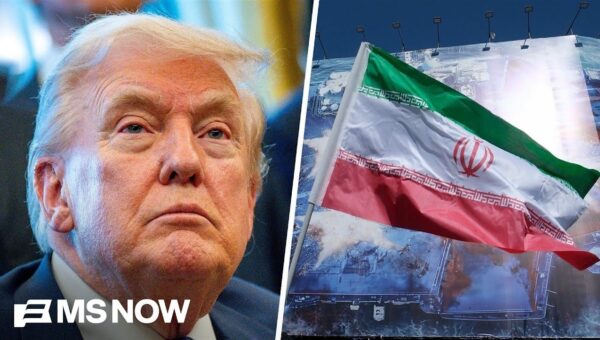
Trump Open to Iran Talks After Attacks, Shifts on Regime Change
President Trump has agreed to negotiate with Iran's new leadership following recent U.S. and Israeli attacks, signaling a potential shift from his regime change objective. The move has drawn scrutiny from former officials who question the strategic coherence of U.S. policy.

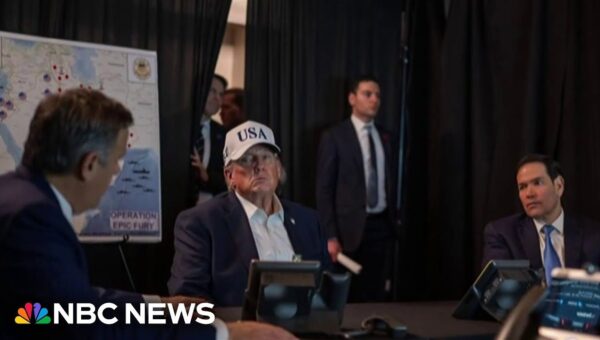
Trump: Iran Strikes Ahead of Schedule, Expects ‘Great Deal for World’
Three U.S. service members have been killed amid escalating conflict with Iran, President Trump confirmed. He stated that strikes are ahead of schedule, with senior Iranian leaders killed, and expressed optimism for a "great deal for the world" despite ongoing talks with Iranian officials.
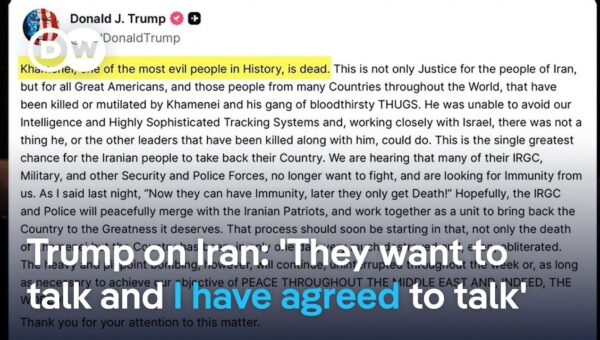
Trump Agrees to Talks with Iran After Major Strikes
President Donald Trump has agreed to talks with Iran's leadership following coordinated strikes that reportedly killed key figures, including the Supreme Leader. While Trump claims significant military successes, U.S. strategy remains unclear, and public opinion shows limited support for the actions amid rising American casualties.