US-Iran Tensions Escalate: War ‘Almost Inevitable,’ Experts Warn
Experts warn that a military confrontation between the US and Iran feels "almost inevitable" as diplomatic options narrow and Western nations evacuate staff from the region. The potential scale and objectives of any U.S. action remain unclear, while Iran's proxy network poses a significant threat of retaliation.

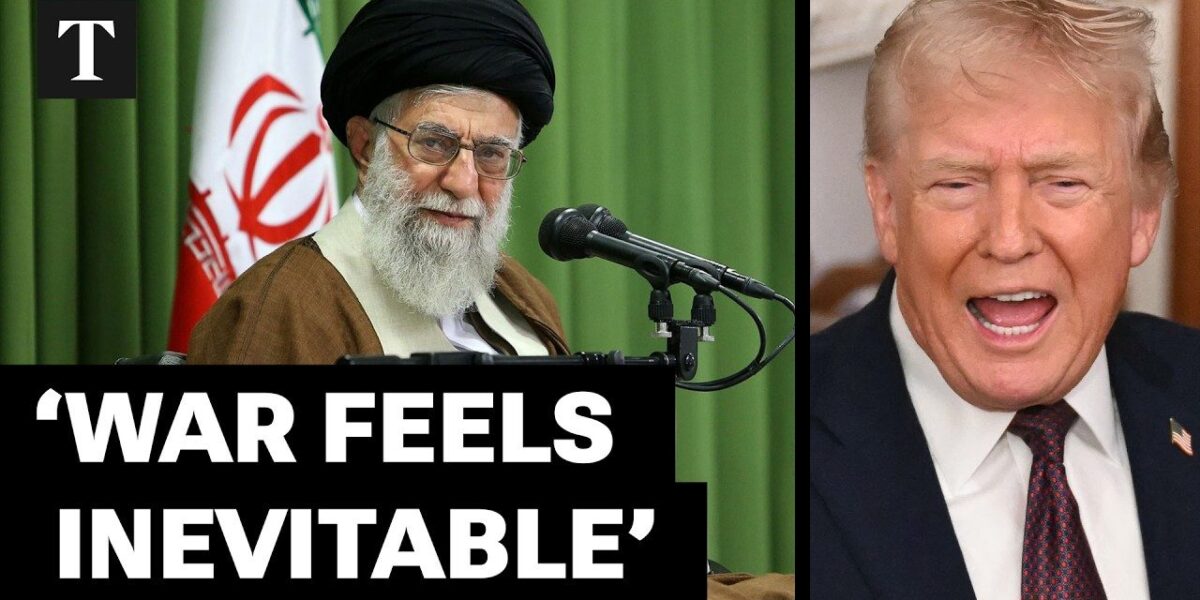
US-Iran Tensions Escalate: War ‘Almost Inevitable,’ Experts Warn
Fears of a military confrontation between the United States and Iran are mounting, with experts warning that such a conflict feels “almost inevitable” despite a lack of clear objectives and the potential for devastating consequences. Western countries have begun withdrawing diplomatic staff and advising citizens against travel to the region, signaling a significant escalation in the long-standing geopolitical standoff.
Diplomatic Missions Evacuate Amid Rising Tensions
The United Kingdom has already withdrawn its staff and closed its embassy in Tehran. France’s foreign ministry is advising its nationals against travel to Israel, and the U.S. embassy in Jerusalem has authorized the departure of non-emergency personnel. These actions underscore the growing concern among Western governments about the volatile situation in the Middle East.
Expert Analysis: Military Strikes Seem Inevitable
Aaron David Miller, a former U.S. Middle East negotiator, expressed a grim outlook, stating, “Looks to me like military strikes are inevitable.” He highlighted the uncertainty surrounding the timing, scale, and objectives of any potential U.S. military action. “The extent of those strikes that’s unclear as is in my judgment the objectives of military action at this stage which has have not been presented clearly or at all frankly uh to the American public,” Miller noted.
President Trump’s Ambiguous Stance
While President Donald Trump has indicated that more talks with Iran are expected and expressed a desire for a deal, his comments on the use of force have been notably ambiguous. When questioned about resorting to military action, Trump stated, “I don’t want to, but sometimes you have to.” This duality leaves room for interpretation regarding his ultimate intentions.
Gareth Browne: A Narrowing Path to Conflict
Gareth Browne, Middle East correspondent for The Economist, echoed the sentiment of escalating tensions. “I think that grows likelier every day,” Browne stated regarding the possibility of a U.S. attack on Iran. He described the ongoing direct and indirect talks between the U.S. and Iran as potentially “theater,” suggesting that neither side may be willing to make meaningful concessions.
“I’m not sure the Americans know what what they want out of these negotiations. And I’m not sure that the Iranians are really willing to seed anything meaningful in these negotiations. Iranian negotiation strategy has long been about, you know, buying time and and kicking the can down the road.”
Gareth Browne, Middle East Correspondent, The Economist
The Role of Donald Trump in Decision-Making
Browne emphasized that the ultimate decision on military action rests with President Trump. “I think the fundamental question of when America strikes and how heavy and with what purpose lies with one man that’s in that’s in the mind of Donald Trump and I think maybe he doesn’t even know the answer to that question at the minute,” he observed. This concentration of power in a single individual raises concerns about the checks and balances within the U.S. decision-making process.
Escalation Driven by Military Posturing
The current scenario, according to Browne, can be traced back to a tweet from President Trump approximately six weeks prior, which signaled a potential shift in U.S. policy. This was followed by a significant military buildup in the region, including the arrival of a second aircraft carrier in the Eastern Mediterranean. Browne suggests that Trump may be inclined to use the formidable military assets at his disposal. “I find it very hard to see how Trump stands down from this without some sort of military action,” he stated.
Potential Forms of Military Action
While U.S. Vice President JD Vance has downplayed the likelihood of a full-scale war, the spectrum of potential military actions remains broad. Browne believes that toppling the Iranian regime solely through airstrikes is unlikely. However, an extensive air campaign targeting IRGC military leadership, or even the Supreme Leader, is a possibility.
“But no matter how many military targets, you know, you take out, you take out senior leadership, you take out uh senior IRGC figures, you’ve still probably got about a million Iranians with arms who are ready and willing to fight for um the regime,” Browne explained. He also raised the possibility that U.S. strategists might be banking on military intervention to reignite domestic protest movements within Iran.
Iran’s Retaliatory Capabilities
Iran’s primary retaliatory weapon lies in its network of proxy groups, including Hezbollah in Lebanon and the Houthis in Yemen. While these groups may be weakened, they retain the capacity to inflict significant damage. The Houthis, in particular, could disrupt shipping in the Gulf, causing economic pain to Israel and the wider Western world.
Other potential retaliatory actions include attacks on targets in the West, such as attempted terror attacks, a tactic previously employed by the Iranian regime. The effectiveness of Iran’s missile program, despite past limited success against Israel, remains a concern, with the possibility of undisclosed or undetected weapons capable of causing significant disruption.
Broader Regional and Global Implications
The escalating tensions between the U.S. and Iran occur against a backdrop of broader regional instability, including the conflict between Pakistan and the Taliban in Afghanistan. Browne warns that the Middle East could undergo dramatic changes in the coming weeks and months.
“I think certainly by the end of this year, but perhaps even sooner than that, in a matter of weeks or months, we could wake up to a dramatically different Middle East.”
Gareth Browne, Middle East Correspondent, The Economist
The situation in Afghanistan and Pakistan, where Pakistan has declared open war against the Taliban, serves as a stark example of long-term geopolitical consequences. Browne described it as “probably one of the best examples of the 21st century of chickens coming home to roost.”
Looking Ahead: Uncertainty and Potential Escalation
As diplomatic options appear to be narrowing and military actions seem increasingly likely, the region stands at a critical juncture. The coming weeks will be crucial in determining whether de-escalation is possible or if the world is indeed heading towards a significant military confrontation between the United States and Iran, with profound global ramifications.
Source: War Between Iran And America Feels ‘Almost Inevitable’ | Gareth Browne (YouTube)

Related Articles

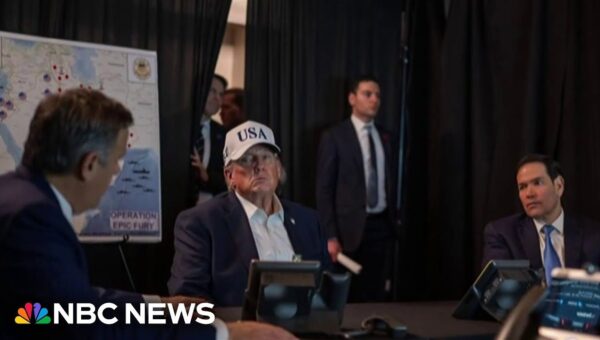
Trump: Iran Strikes Ahead of Schedule, Expects ‘Great Deal for World’
Three U.S. service members have been killed amid escalating conflict with Iran, President Trump confirmed. He stated that strikes are ahead of schedule, with senior Iranian leaders killed, and expressed optimism for a "great deal for the world" despite ongoing talks with Iranian officials.
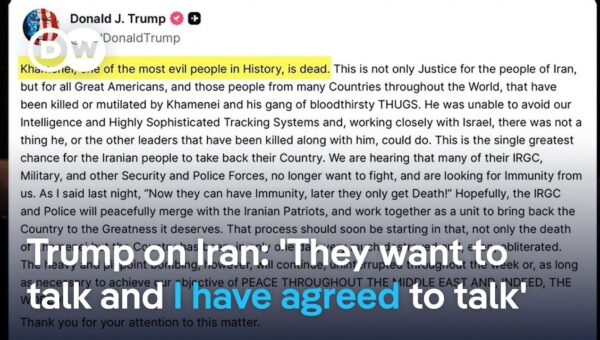
Trump Agrees to Talks with Iran After Major Strikes
President Donald Trump has agreed to talks with Iran's leadership following coordinated strikes that reportedly killed key figures, including the Supreme Leader. While Trump claims significant military successes, U.S. strategy remains unclear, and public opinion shows limited support for the actions amid rising American casualties.

Trump’s Putin Stance: US Strategy and Global Implications
Analysis suggests Donald Trump's approach to the Ukraine war involves pressuring Kyiv, but US involvement is crucial for resolution. China's influence and the 'MAGA' agenda's geopolitical implications are key factors.