US-Iran Tensions Escalate Amidst Strikes and Congressional Debate
The U.S. and Iran are engaged in escalating military actions, with strikes hitting capitals and key infrastructure across the Middle East. Meanwhile, U.S. Senator Andy Kim is leading calls for a congressional vote on war powers, arguing that the American people do not want this conflict and that the nation is becoming increasingly isolated.

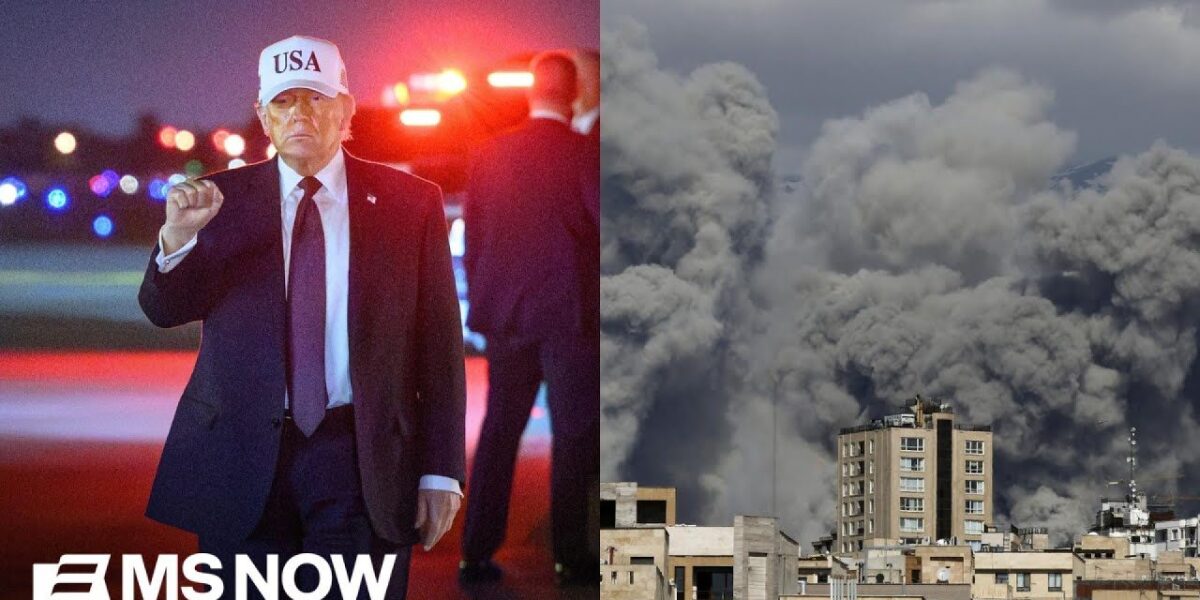
US and Iran Exchange Strikes as Conflict Intensifies
The United States and Iran have entered a second day of escalating military action, marked by significant explosions in Iran’s capital and a barrage of missile exchanges across the Middle East. The conflict, which began following a dramatic exchange of threats between Tehran and President Trump, has seen hundreds of strikes, with Iran firing missiles at U.S. bases in the United Arab Emirates, Qatar, Kuwait, Bahrain, and Jordan. President Trump has signaled a continuation of the campaign, stating that the bombing will proceed “uninterrupted throughout the week or as long as necessary to achieve our objective of peace throughout the Middle East and indeed the world.”
Regional Impact and Growing Concerns
The crisis has already spilled beyond the immediate U.S.-Iran confrontation, with protesters in Karachi, Pakistan, storming and setting fire to the U.S. consulate, resulting in at least six deaths. In the UAE, a tense situation has unfolded with hundreds of missiles and drones intercepted. Significant strikes have been reported in Dubai and Abu Dhabi. Jebel Ali Port in Dubai, a key hub for American naval vessels, was hit early this morning, with plumes of smoke visible above the city’s skyline. Zayed Port in Abu Dhabi, which houses French naval assets, also sustained damage. Both Dubai International Airport and Abu Dhabi International Airport have been struck, with four workers injured at the former and one fatality reported at the latter. A particularly shocking development was a drone strike on Dukum Port in Oman, the only Gulf state previously spared, which had been perceived as a mediator between Tehran and Washington. This has heightened anxieties, with reports of residents fleeing towards the Omani border due to safety concerns.
Congressional Opposition Mounts Against Escalation
Domestically, Democrats in Congress are demanding an immediate vote on war powers to halt the military action. Senator Andy Kim of New Jersey, in a strongly worded opinion piece, stated, “By launching military action against Iran, President Donald Trump has chosen a war. His word that could have lasting and disastrous consequences for Americans’ well-being. Congress must step in immediately to halt the military action.” Senator Kim emphasized the critical responsibility of Congress in overseeing matters of war and highlighted the absence of the American people’s voice in these crucial decisions.
“I did a town hall just shortly before these strikes. I asked people in the town hall, how many of you want to see a military conflict with Iran? Zero hands. I asked how many of you think that the American people need to have a say. Every hand was raised. They do not want this. This is not a war that the American people want.”
Senator Kim expressed concerns regarding the lack of information provided by the administration about any imminent threats, despite being a member of the Homeland Security Committee. He questioned the preparedness of the U.S. to protect its service members, particularly in light of potential retaliations and the nation’s cyber capabilities.
Public Opinion and Homeland Security Worries
A recent Economist/YouGov poll found that only 27% of U.S. adults support military strikes against Iran, with 49% opposed. Senator Kim voiced significant concerns about the administration’s posture, particularly following what he described as a “gutting of key homeland security entities like CISA.” He noted that many CISA workers have been reassigned, often to tasks for which they are not trained, raising questions about the nation’s ability to defend against potential cyberattacks from Iran.
Furthermore, Senator Kim lamented the perceived isolation of the United States on the global stage. “I was just at the Munich Security Conference. I have never seen America so alone, so isolated that we are now,” he stated, recounting conversations with world leaders who expressed a desire to distance themselves from the escalating conflict. This isolation, he warned, could jeopardize the U.S.’s ability to secure resupply and support from allies in a protracted conflict.
Existential Threats and Unforeseen Consequences
Reflecting on his past work in Iraq and Afghanistan, Senator Kim articulated his deepest fears regarding the current situation. “The first thing that came to mind was, are we going to be able to protect our servicemen and women?” he asked, citing Iran’s diverse capabilities, including potential drone attacks. He expressed deep concern that the president’s actions are placing service members in harm’s way without adequate assurance of their protection.
The senator also addressed the possibility of Iranian threats impacting the United States directly. “I would hate to see it, but I can’t say that it’s off the table, and that is something that keeps me up at night very much so,” he admitted. He highlighted Iran’s history of building a global strategy for attacks and the potential for the regime to feel cornered, leading to unprecedented actions. The possibility of a war for regime change, as described by President Trump, could empower hardline factions within Iran, potentially creating a new generation of Iranian-backed terror and weakening diplomatic efforts.
Looking Ahead: A Fragile Peace
As the conflict continues, the focus remains on the upcoming War Powers Resolution vote and the potential for de-escalation. The international community watches with bated breath, hoping for a swift resolution to prevent further bloodshed and a wider regional conflagration. The coming days will be critical in determining whether diplomatic channels can be restored and if the U.S. can navigate this perilous geopolitical landscape without further alienating allies and exacerbating existing threats.
Source: ‘[Americans] don’t want this’: NJ Dem blasts Trump’s unpopular military escalation with Iran (YouTube)

Related Articles

US Service Members Killed in Strikes Against Iran
Three U.S. service members were killed and five wounded in "Operation Epic Fury" airstrikes targeting Iran. The incident, which involved shrapnel injuries and concussions, underscores the ongoing risks in the volatile Middle East. U.S. Central Command is investigating the exact location and circumstances of the casualties.

Lindsey Graham: US Won’t Pick Iran’s Next Leader
Senator Lindsey Graham stated that the United States will not choose Iran's next leader, asserting the decision rests solely with the Iranian people. He characterized Iran's current state as 'sinking' and emphasized the U.S. goal is to end its sponsorship of terrorism, not to dictate its internal politics. The focus remains on preventing future regimes from supporting proxy groups and developing weapons.


Dem Leader Questions Iran Strike Rationale, Cites ‘War of Choice’
Senator Mark Warner questions the White House's justification for military strikes in Iran, labeling it a 'war of choice' due to a lack of perceived imminent threat. He highlights shifting rationales and calls for presidential transparency regarding goals and potential casualties.