US-Iran Tensions Ease: Focus Shifts Beyond Trump’s Role
A recent discussion explored the de-escalation of Iran tensions, questioning whether to view it through the lens of President Trump's success or failure. Analysts debated the impact on regional stability and the UK's role, while also examining the declining public support for doctor strikes and Reform UK's electoral strategy.

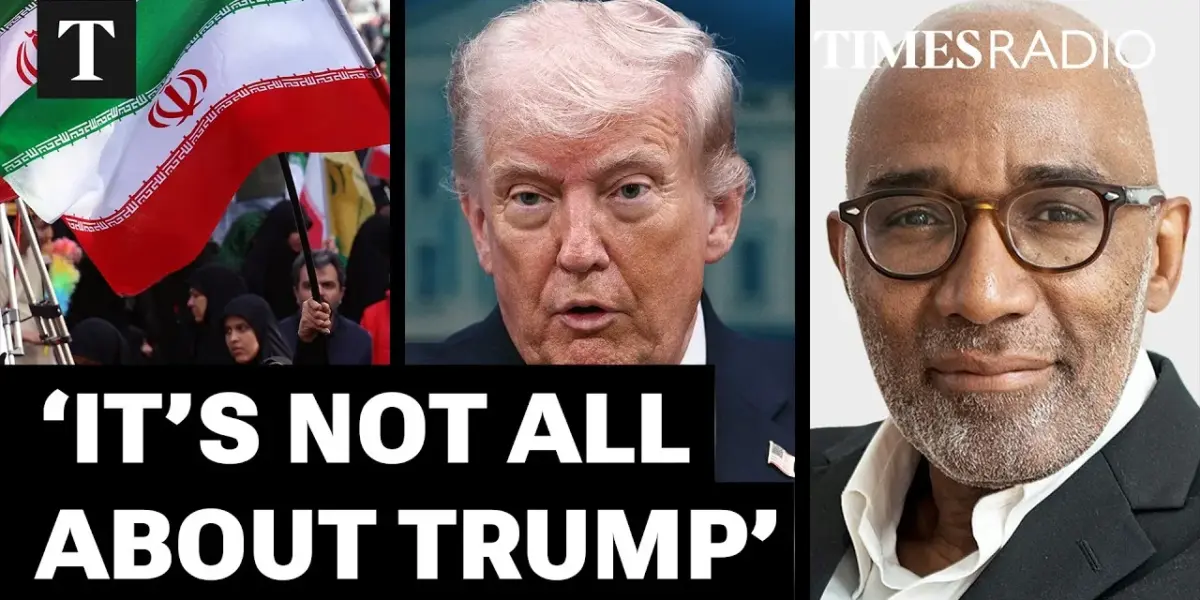
Iran Conflict Pause: A Moment of De-escalation
Following a period of heightened tension, the immediate threat of widespread destruction in Iran has receded, replaced by a pause in fighting and the reopening of the Strait of Hormuz. This de-escalation has sparked debate over its causes and implications, particularly concerning the role of U.S. President Donald Trump.
Interpreting the De-escalation: Trump’s Tactics Under Scrutiny
Critics of Donald Trump argue that the sudden pause in conflict demonstrates his recklessness, suggesting his aggressive rhetoric has damaged America’s global standing. They believe he has backed down, leading to a situation where Iran, despite international pressure, maintains control over key waterways like the Strait of Hormuz. Some analysts compare the situation to a Vietnam scenario, implying a lack of clear success for the U.S.
Conversely, Trump’s supporters view this as a display of successful brinkmanship. They contend that increased pressure forced Iran to reconsider its actions, achieving desired outcomes. From this perspective, Iran’s military capabilities have been degraded, its neighbors are more secure, and its ability to pose a regional threat has been diminished.
Beyond Trump: A Broader Perspective
Veteran broadcaster Trevor Phillips urged a shift in perspective, arguing against viewing the Iran conflict solely through the lens of whether Donald Trump has “won” or “lost.” He highlighted two key issues with this approach. Firstly, it prevents a clear assessment of whether genuine positive changes have occurred. Secondly, it risks overlooking the fundamental actions of the parties involved.
“We should not be viewing this through the lens of whether Donald Trump has won or not. I think that’s got us into a very odd place where all politics is now being interpreted by whether Donald Trump’s triumphs.”
Phillips acknowledged that Trump might view the situation as a success, pointing to Iran’s weakened state and improved security for Israel and neighboring countries. However, he also emphasized the need to consider the actions of Iran, citing its internal repression, support for groups like Hamas and Hezbollah, and its destabilizing influence in the region.
Regional Stability and Security Concerns
The discussion also touched upon the stability of the wider Middle East. While some argued that regions like Saudi Arabia and the UAE have remained stable, others pointed to the impact of recent conflicts. The month-long period of conflict, even with a de-escalation, has raised concerns about the long-term sense of security in these areas.
Alice Thompson noted that while internal collapse might not be an immediate threat, events in Yemen and surrounding areas demonstrate ongoing regional instability. She also suggested that places like Dubai, once seen as a safe haven, may now face increased anxiety, potentially impacting its appeal as a global melting pot.
Diplomatic Efforts and Future Challenges
As diplomatic efforts continue, with figures like K. Starmer traveling to the Gulf, the focus remains on sustaining the fragile ceasefire. A significant concern is Iran’s threat to impose tolls on vessels using the Strait of Hormuz. Government officials have stressed the importance of freedom of navigation as a core principle of international law, highlighting the strait’s significance for global trade, including essential goods like fertilizer.
UK’s Defense Posture and Regional Relationships
The conversation also addressed the UK’s role and defense capabilities in the region. With limited military assets deployed, the visit of K. Starmer is seen less as a victory tour and more as an acknowledgment of the need for increased defense spending and a reevaluation of the UK’s standing as a major global player.
There’s a strong sentiment that the UK needs to mend its relationships with Gulf states, who reportedly felt let down by a perceived lack of decisive action and support during the recent conflict. Historical colonial ties and past political interventions have also complicated perceptions, with a need for the UK to reassure these nations of its continued partnership.
Doctor Strikes and Public Opinion
Shifting focus to domestic issues, the public’s support for ongoing strikes by junior doctors in England appears to be waning. Recent polls indicate a growing opposition, with a significant increase in those against the industrial action since April.
The Communication Challenge for Medical Unions
While supporting the strikes, some, like former junior doctor Adam Kay, have acknowledged that the unions’ public relations efforts have been ineffective. This has led to a decline in public goodwill, with many feeling fatigued by the prolonged dispute.
“I agree with the strikes. I do not think that their PR has been very good as doctors. It’s sad that they’ve gone from almost universal goodwill towards what they were saying and doing to the point where the public are fed up.”
Alice Thompson’s reporting suggests that the core issue for striking doctors may not be solely about pay, but rather about working conditions. She points to the challenges of a bottlenecked system for becoming a consultant, unpredictable postings across the country, and difficulties in maintaining a personal life due to erratic hours. These factors, she argues, are driving graduates to seek opportunities abroad, such as in Australia and New Zealand.
NHS Leadership and the Future of Doctor Negotiations
The new CEO of NHS England, Jim Mackey, has adopted a firm stance, suggesting that the service can manage without junior doctors and that their actions could ultimately lead to them making themselves redundant. This tough approach signals a potential shift in negotiations, with the BMA perhaps having met its match.
Trevor Phillips echoed these sentiments, expressing astonishment at the medical unions’ perceived inability to run an effective campaign. He believes that the public’s sympathy, which once ran high, has significantly diminished. Phillips also posited a broader trend where professions once seen as untouchable, like doctors, barristers, and teachers, are now facing increased public scrutiny regarding their earnings and the services they provide. He suggested these essential professions need to forge a new understanding with the public, one that acknowledges public expectations in return for higher earnings.
Reform UK’s Electoral Strategy
In the political arena, Reform UK has unveiled its slogan for the upcoming local elections: “Vote Reform, Get Starmer Out.” This strategy aims to turn the elections into a referendum on the popularity of Labour leader Keir Starmer, mirroring tactics used by Labour in previous elections.
Challenging Starmer’s Unpopularity
The campaign capitalizes on Starmer’s perceived low approval ratings, seeking to create a binary choice for voters. Alice Thompson acknowledged the cleverness of this tactic but also noted the potential for a counter-movement, suggesting an “anyone but Reform” sentiment could also be a significant factor.
Trevor Phillips elaborated on Reform’s evolving strategy, suggesting a move away from radical conviction politics towards a more pragmatic approach. He believes Nigel Farage is attempting to build a party with a solid base, focusing on issues that resonate with voters outside of London who feel disconnected from the political establishment. This involves shedding controversial stances to avoid alienating potential supporters.
The Evolving Political Landscape
The discussion also touched upon the potential risks for Reform UK in softening its image, questioning whether this might alienate its core supporters. The effectiveness of appealing to older voters through policies like the triple lock pension was also debated, particularly as younger voters appear to be shifting their allegiance.
Celebrity Privacy and Parenting
Finally, the conversation turned to the issue of celebrity privacy, specifically Meghan Markle’s use of emoji masks on photos of her children. Critics argue this practice is performative parenting, using children as props to signal ethical standards rather than genuinely protecting their privacy.
The Debate Over Social Media and Children
Both Alice Thompson and Hugo Riiffken expressed strong reservations about posting images of children on social media, even with privacy measures. They argued that the most effective way to ensure privacy is to keep children off these platforms entirely.
“I just don’t think you should put pictures of your children out there. It might be embarrassing for the children, but don’t do it to the children. Basically.”
Trevor Phillips strongly condemned the practice, viewing it as narcissistic and focused on the parent’s self-image rather than the child’s well-being. He argued that such displays are designed to convey a message about the parent, using the child as an accessory.
Source: The Iran War Shouldn’t Be Viewed Through The Lens Of Trump Winning Or Losing | Trevor Phillips (YouTube)

Related Articles
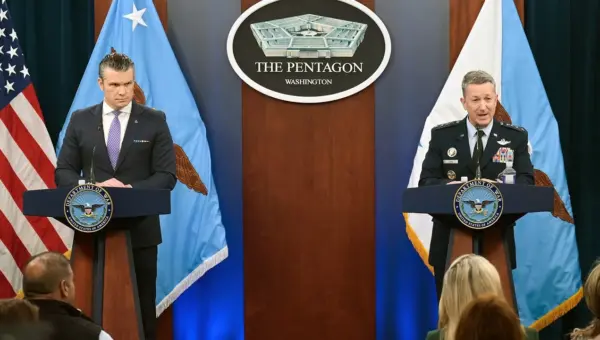
Pentagon Declares Major Victory Over Iran Amid Ceasefire
Pentagon officials announced a decisive military victory over Iran following 'Operation Epic Fury,' detailing the destruction of Iran's military capabilities. A tentative ceasefire is in place, with U.S. forces remaining vigilant to ensure compliance and facilitate negotiations for lasting peace.

US Threatens Iran with ‘Obliteration’ Over Strait of Hormuz
The United States has issued a severe ultimatum to Iran, threatening 'obliteration' if the Strait of Hormuz is not opened. This comes amid a high-risk military rescue mission and President Trump's controversial social media use. Meanwhile, the Artemis 2 crew makes history by traveling further from Earth than any humans before.
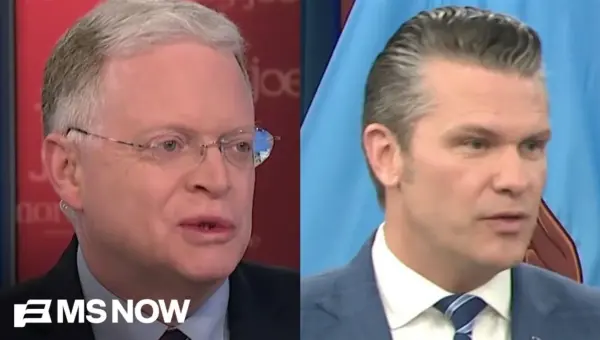
Analyst Slams Secy. Hegseth for False Claims on Iran Conflict
Analyst David Rohde has challenged Secretary Hegseth's claims about the Iran conflict, calling them "false statements." Rohde disputes assertions of a decisive U.S. military victory and a "new regime" in Iran. He also criticizes the politicization of the military and the framing of the conflict.