US-Iran Tensions: A 70-Year History of Conflict
A 70-year history of US-Iran relations reveals a cycle of intervention, shifting alliances, and escalating conflict, originating from the 1953 US-backed coup. Decades of sanctions, proxy conflicts, and the unraveling of the nuclear deal have culminated in direct confrontation, with US aims reportedly centering on regime change.

Decades of Discord: Unpacking the US-Iran Conflict’s Deep Roots
The current geopolitical tensions between the United States and Iran are not a recent development but rather the culmination of a complex and often fraught relationship spanning over seven decades. The seeds of this protracted conflict were sown in 1953, a pivotal year that saw the US orchestrate the overthrow of Iran’s democratically elected leader, Mohammad Mosaddegh, and reinstate the autocratic rule of Shah Mohammad Reza Pahlavi.
The Shah Era: Oil, Alliances, and Growing Resentment
The primary motivation behind the US-backed coup was economic and strategic. Following the coup, the Shah swiftly signed an agreement granting Western oil companies a substantial 40% stake in Iran’s oil production. This move solidified Iran’s position as a key ally for Washington in the volatile Middle East. The relationship deepened further, with the US even providing the Shah with a nuclear reactor and weapons-grade uranium, inadvertently laying the groundwork for Iran’s future nuclear program.
While the Shah enjoyed favor in Washington, his authoritarian rule was deeply unpopular within Iran. Widespread public protests ultimately forced him into exile. This period of internal upheaval paved the way for the return of exiled religious leader Ayatollah Ruhollah Khomeini, who would go on to establish an anti-Western Islamic Republic, fundamentally altering the dynamics of the US-Iran relationship and transforming former partners into adversaries.
From Hostage Crisis to Proxy Wars: Escalating Hostilities
The animosity between the two nations reached a boiling point in 1979 when Iranian students stormed the US embassy in Tehran, taking 66 Americans hostage. The crisis was eventually resolved after the US pledged to cease its interference in Iran’s internal affairs. However, this promise proved short-lived. When neighboring Iraq invaded Iran, the US intervened, lending support to Iraq, a conflict that resulted in an estimated half a million Iranian casualties.
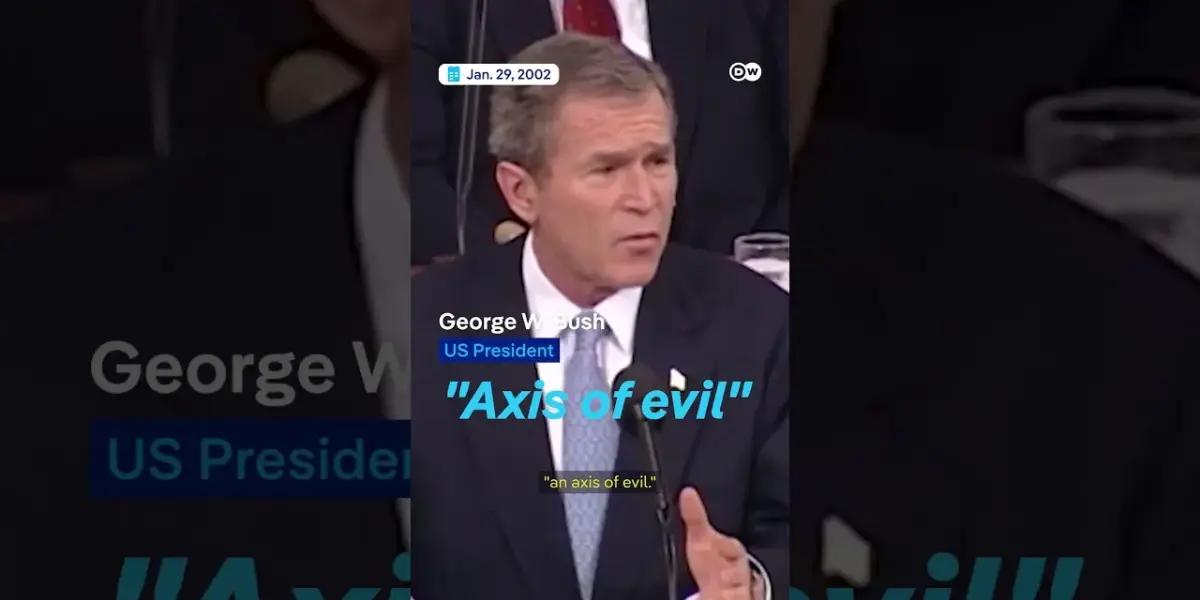
Further escalating the conflict, Iran, through its proxy Hezbollah, carried out a bombing attack that killed over 200 US Marines. In response, the US intensified its sanctions against Iran and designated Iran-linked groups as terrorist organizations. The sanctions continued to mount, with Iran eventually being labeled part of an “axis of evil” by the US, which accused Tehran of secretly pursuing the development of nuclear weapons.
The Nuclear Conundrum: Deals, Withdrawals, and Renewed Tensions
Throughout these years, Iran consistently maintained that its nuclear program was solely for peaceful energy purposes, while its leadership continued to foster anti-US sentiment domestically. A significant diplomatic effort in 2015 resulted in the Joint Comprehensive Plan of Action (JCPOA), commonly known as the Iran nuclear deal. Under this agreement, Iran agreed to curb its nuclear program in exchange for the easing of international sanctions.
However, the fragile accord unraveled in 2018 when the Trump administration, citing a lack of trust in Iran, unilaterally withdrew the US from the deal and reimposed stringent nuclear sanctions. This decision prompted Iran to accelerate its nuclear activities, further exacerbating tensions.
The Breaking Point: Direct Confrontation and Regime Change Ambitions
The transcript suggests a significant escalation occurred when “the US started bombing Iran.” The conflict reportedly reached a critical juncture and “boiled over when US-Israeli air strikes killed Iran’s supreme leader, marking the start of this war.” This direct confrontation signifies a dramatic shift in the nature of the conflict. The article concludes by drawing a parallel to the events of 1953, stating that Washington’s objective, “just like back in 1953, is regime change in Iran.”
Looking Ahead: The Future of US-Iran Relations
The history of US-Iran relations is a complex tapestry woven with threads of intervention, alliance, betrayal, and escalating hostility. The recent escalation, marked by direct military action and a renewed focus on regime change, suggests that the path forward remains deeply uncertain. The coming months will be critical in determining whether diplomatic channels can be reopened or if the region is headed for further, potentially devastating, conflict.
Source: The US vs. Iran: The 70-year backstory | DW News (YouTube)

Related Articles

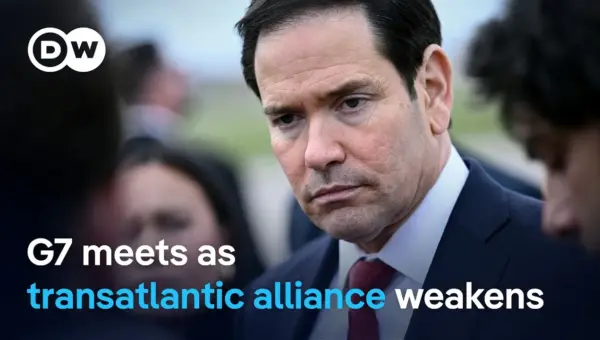
G7 Allies Clash Over Iran War Strategy, Urge Focus on Russia
G7 foreign ministers met in Paris, revealing deep divisions over the U.S. war with Iran. European allies urged the U.S. to pressure Russia, linking its actions to the conflict and fearing support for Ukraine will wane.

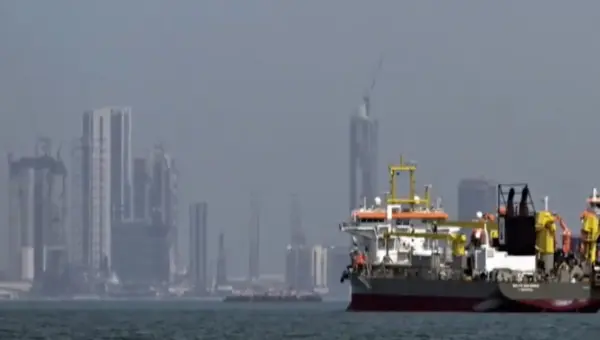
Iran Blocks China Ships, Exposing Beijing’s Weak Grip
Iran's recent decision to block Chinese ships at the Strait of Hormuz is exposing the limits of Beijing's influence in the Middle East. This action is causing delays and cancellations for Chinese manufacturers, turning a perceived geopolitical win into an economic strain.
Trump’s “Walk Away” Tactic Signals Tougher Stance on China
Retired Air Force Brigadier General David Stillwell believes President Trump's strategy of being willing to walk away from negotiations puts pressure on China. This tactic, combined with US global actions and strengthened alliances, signals a more assertive American foreign policy.