US, Iran Talks Loom as Ceasefire Shows Fragility
A fragile ceasefire in the Middle East is being tested by continued attacks in Lebanon, threatening upcoming U.S.-Iran negotiations in Islamabad. Disagreements over key issues and Israel's military actions are complicating diplomatic efforts. The outcome of these talks is crucial for regional stability.

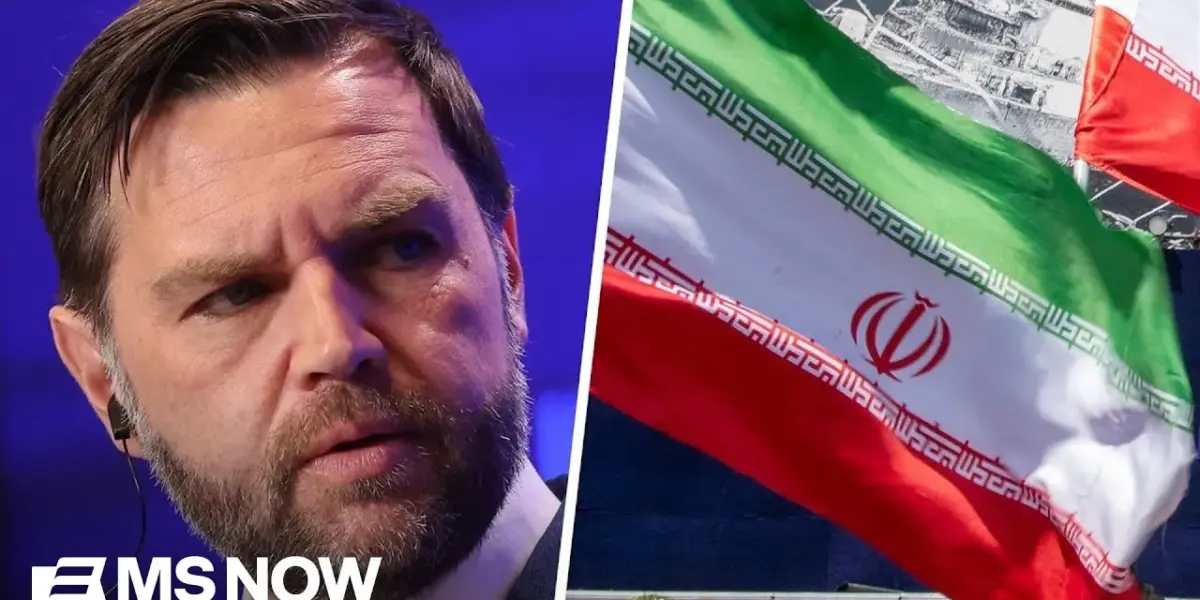
Fragile Ceasefire Tests US-Iran Negotiations
A ceasefire intended to halt escalating conflict in the Middle East is showing signs of strain just days after its implementation. Attacks from Israel into Lebanon have continued, raising questions about whether Lebanon was fully included in the agreement. Meanwhile, commercial shipping remains largely stalled in the critical Strait of Hormuz, with only a handful of Iranian-linked vessels passing through. This precarious situation sets the stage for crucial negotiations between the United States and Iran, scheduled to take place in Islamabad this Saturday.
Lebanon Becomes Central Point of Contention
The ongoing Israeli strikes in Lebanon have become a major point of contention, threatening to derail the fragile peace. Iranian President Ebrahim Raisi has stated that these attacks violate the ceasefire and would render negotiations meaningless. He pledged that Iran would not abandon the Lebanese people, especially after a significant Israeli offensive resulted in over 250 deaths and more than 1,100 injuries. This has led Iran to warn that it will keep the Strait of Hormuz closed if the attacks persist. Consequently, Lebanon is expected to be a top priority during the upcoming talks.
US Vice President Takes Center Stage in Diplomacy
The U.S. Vice President has been tasked by the President to lead the diplomatic efforts with Iran. This assignment places the Vice President in a significant role, particularly as he was reportedly the only voice within the administration to question the initial decision to go to war. While he has since expressed full support for the President’s decisions, he has also voiced a more realistic assessment of the current situation, describing the ceasefire as a “fragile truce.” His upcoming negotiations will be crucial in determining whether diplomatic desires can be turned into lasting reality.
Disagreements Cloud Future of Ceasefire
The differing interpretations of the ceasefire by the U.S. and Iran highlight a fundamental lack of agreement on key issues. While the U.S. President has spoken of the Iranian proposal as a basis for discussion, it has become clear that both sides are not operating from a shared set of facts. Iran’s version of the agreement reportedly includes maximalist demands, such as the complete withdrawal of U.S. combat forces from the Middle East, a condition the U.S. is unlikely to accept. This wide gap makes it difficult to envision a zone of possible agreement that would allow both nations to present favorable terms to their domestic audiences.
Israel’s Role in Escalating Tensions
Israel’s continued military actions in Lebanon are seen by some as a potential effort to undermine the ceasefire. Analysts suggest that Israel may not wish for a swift end to the conflict, especially if it comes under terms it finds unfavorable. The willingness of Israel to attack energy infrastructure in Iran, an action the U.S. administration does not endorse, further complicates matters. Some believe Israel might be acting as a spoiler, aiming to prevent the ceasefire from holding long enough to conclude the war before achieving its core military objectives.
International Criticism of Israeli Actions
The Vice President of the European Commission has stated that the U.S.-Iran truce should encompass Lebanon. She criticized Israel’s actions, noting that the right to self-defense does not justify the massive destruction caused by recent strikes, which resulted in hundreds of casualties. These actions have drawn parallels to criticisms leveled against Israel regarding the war in Gaza. While Israel has long faced threats from Hezbollah, it is suggested that Iran pushed Hezbollah into the current conflict to relieve pressure on itself, leaving Hezbollah with little choice but to engage.
Signs of Iranian Willingness to Negotiate
Despite the ongoing hostilities, there are indications that Iran may be open to a deal. A senior administration official confirmed that Iran’s Supreme Leader privately instructed negotiators to pursue an agreement. This move is seen by the White House as a potentially positive sign, suggesting that Iran might be ready to de-escalate. While Iran has presented maximalist demands, these are likely part of the negotiation process. The U.S. appears hopeful that a deal can be reached, as the tolerance for resuming hostilities, should negotiations fail, is currently low.
US Military Presence and Future Outlook
The United States intends to maintain its military assets in the region while diplomatic talks are underway. The President’s recent statements about the military resting and preparing for its “next conquest” have raised questions about future military objectives. However, military experts interpret this as preparation for potential renewed conflict rather than an immediate offensive. The focus remains on the guidance and instructions provided to the military, which are expected to align with previous operational patterns if hostilities resume. All eyes will be on the upcoming negotiations in Islamabad as the world watches to see if a lasting resolution can be found.
Source: U.S., Iran to negotiate key disagreements in Islamabad Saturday (YouTube)

Related Articles
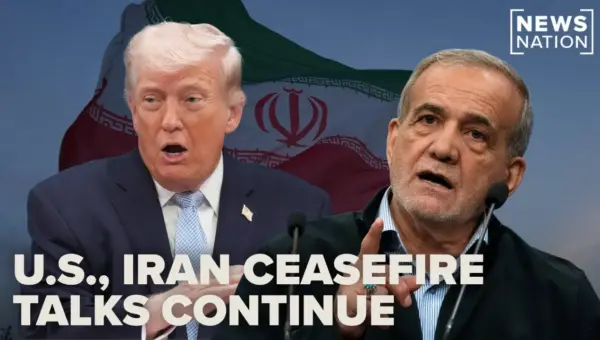
Iran Threatens Strait of Hormuz Amid Lebanon Strikes
Iran threatens to close the vital Strait of Hormuz in response to ongoing strikes in Lebanon. The US is trying to de-escalate, but actions on the ground remain a concern, potentially impacting global oil markets and future negotiations.

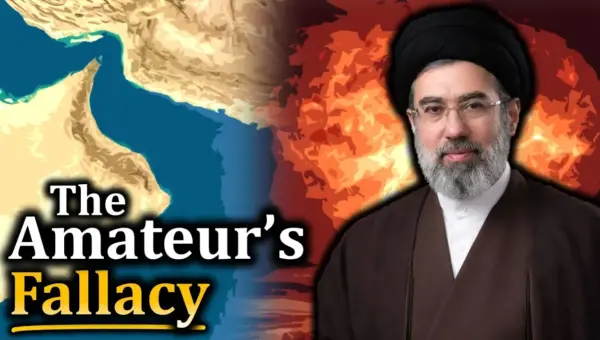
Iran’s Hormuz Threat: A Known Tactic, Not New
Recent conflict did not teach Iran a new tactic by threatening to close the Strait of Hormuz. Experts and Iranian planners have long understood this strategic leverage. The effectiveness of the recent shutdown was tied to global perceptions of the preceding conflict's instigator, not a newfound Iranian capability.


Artemis II Nears Earth; Vance to Lead US-Iran Talks
NASA's Artemis II mission is nearing its critical splashdown, with the crew preparing for a high-speed return to Earth. Simultaneously, Vice President JD Vance is set to lead U.S.-Iran talks in Pakistan aimed at securing a ceasefire. Meanwhile, a federal court will review the legality of President Trump's global tariffs.