US-Iran Talks in Pakistan Face Major Hurdles
Direct US-Iran talks are underway in Islamabad, Pakistan, aiming to solidify a ceasefire. However, significant disagreements over issues like the conflict in Lebanon and control of the Strait of Hormuz present major challenges to achieving a lasting peace agreement.

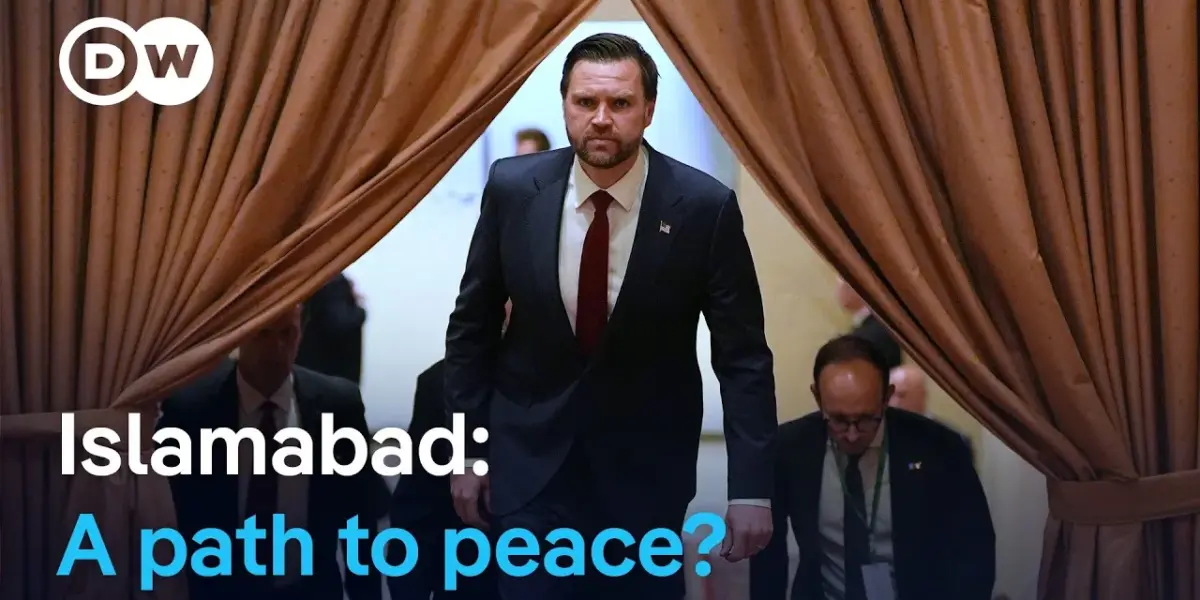
US-Iran Diplomacy Underway in Islamabad Amidst Complex Regional Tensions
Direct diplomatic talks between the United States and Iran have begun in Islamabad, Pakistan, with the goal of transforming a fragile two-week ceasefire into a lasting peace agreement. This significant diplomatic engagement, the first of its kind between the two nations since the 1979 Islamic Revolution, is taking place under the shadow of ongoing conflict and deeply entrenched disagreements.
Key Issues Complicating the Negotiations
The negotiations face substantial challenges, particularly concerning the conflict in Lebanon. Iran insists that Lebanon must be included in any ceasefire agreement, a stance directly opposed by the United States and Israel. This divergence over Lebanon’s inclusion has become a major point of contention. Israel has recently intensified its strikes against Hezbollah targets in Lebanon, with the Lebanese health ministry reporting casualties, including emergency workers. Meanwhile, Lebanon is scheduled to hold direct talks with Israel in Washington next week to discuss a ceasefire and potential long-term peace.
Unprecedented, Yet Challenging, Diplomatic Effort
Megan Sutcliffe, an analyst for Sibiline, described the talks as “unprecedented,” highlighting the historic nature of direct US-Iran negotiations. She noted that Pakistan’s successful facilitation of these meetings is a significant diplomatic achievement. However, Sutcliffe cautioned that this does not guarantee success, as major hurdles remain. The closed-door nature of the negotiations means that most information comes from unnamed sources, making it difficult to ascertain the exact progress being made.
Strait of Hormuz: A Critical Point of Contention
One of the primary sticking points in the talks, according to reports, is the Strait of Hormuz. This vital waterway is a critical chokepoint for global trade, and both nations have vastly different views on its regulation. Iran is seeking recognition of its right to control vessel movement through the strait, a demand the US views with serious concern. The US fears that allowing Iran to establish a regulatory system, potentially through force, could set a dangerous precedent for other major international waterways like the Strait of Gibraltar or the Suez Canal.
Iran’s Demands: Bargaining Chips or Red Lines?
Iran has put forth several demands during the negotiations. While requests for war reparations are likely seen as bargaining chips rather than serious negotiating points, other issues are considered far more critical. Iran is insistent on a permanent ceasefire, with assurances that strikes from the US and Israel will not resume. The demand for some form of control over the Strait of Hormuz is also viewed as a significant red line for Tehran.
The Path to De-escalation: Defining the Scope of Talks
According to Sutcliffe, the most realistic first step towards de-escalation would be for both sides to agree on the scope of the talks. While an agreement to discuss the conflict, the Strait of Hormuz, and potential sanctions relief is anticipated, other areas like Lebanon and Iran’s nuclear program remain undefined. Establishing a clear framework that both the US and Iran understand is crucial. Even with such an agreement and a potential extension of the current ceasefire, achieving a sustainable and widespread regional de-escalation remains a complex and uncertain prospect given the significant differences in negotiating positions.
Broader Context: Regional Stability and Global Trade
The ongoing diplomatic efforts in Islamabad occur alongside significant military movements. US warships have transited the Strait of Hormuz, and oil-carrying supertankers, including Chinese-flagged vessels, have reportedly begun leaving the Persian Gulf since the ceasefire took effect. These developments underscore the delicate balance of power and the high stakes involved in ensuring stability in a region critical to global energy supplies and international commerce.
What’s Next?
All eyes will be on Islamabad as the talks continue. The ability of the US and Iran to find common ground on defining the agenda, particularly regarding the inclusion of Lebanon and the future of the Strait of Hormuz, will be critical indicators of potential progress. Any agreement, even a temporary one, would represent a significant step, but the path to lasting peace remains fraught with obstacles.
Source: Islamabad talks: US‑Iran diplomacy faces long odds | DW News (YouTube)

Related Articles

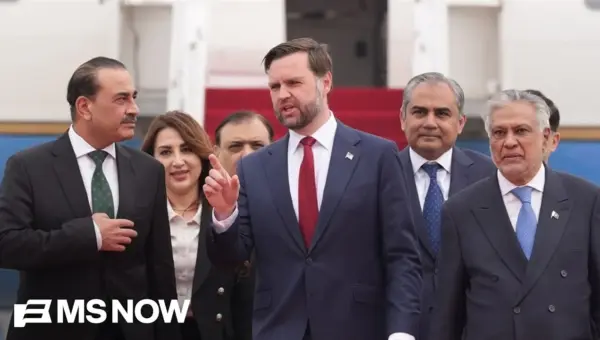
Iran Nuclear Deal Expert Warns Against Quick Deal Expectations
Robert Malley, a key negotiator of the 2015 Iran nuclear deal, warns against expecting a quick or easy resolution in current U.S.-Iran peace talks. He stresses that any agreement will require compromise from both sides, not surrender. Malley suggests the current talks may focus on immediate steps like reopening the Strait of Hormuz and sanctions relief, laying groundwork for future, more comprehensive discussions.

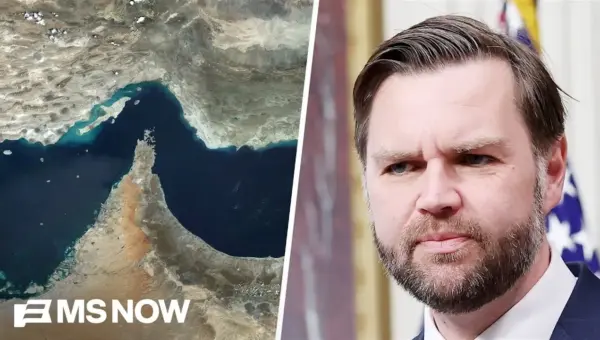
US Minesweepers Clear Strait of Hormuz Amid Peace Talks
U.S. forces have commenced mine-clearing operations in the Strait of Hormuz, a critical waterway, amid high-level peace talks with Iran in Pakistan. The operation, seen as a positive sign, occurs while diplomats discuss Iran's nuclear program and regional stability. Experts weigh the risks, Iran's strategic leverage, and the complex interplay of international relations, including Israel's ongoing military actions.

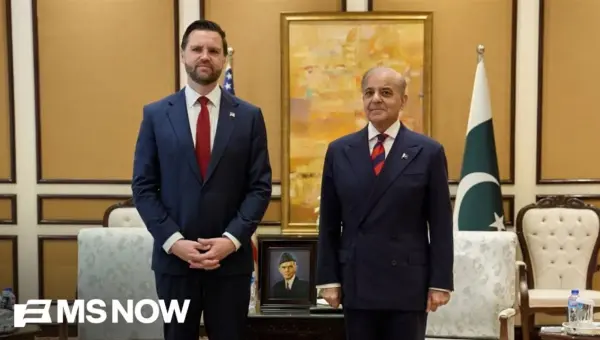
US, Iran Hold Landmark Peace Talks in Pakistan
Top U.S. and Iranian delegations are holding landmark peace talks in Islamabad, Pakistan, mediated by the Pakistani government. This marks the first direct meeting between the two nations in nearly 50 years, with Vice President J.D. Vance leading the U.S. side.