US-Iran Talks Falter Amid Hormuz Standoff, Ceasefire Strain
A fragile ceasefire between the US and Iran is under severe strain as tensions rise over the critical Strait of Hormuz. Both nations accuse each other of violating the terms of a recent deal, while international efforts to secure the vital shipping lane intensify. Crucial peace talks are underway in Pakistan, but deep-seated distrust and maximalist demands from both sides cast doubt on the likelihood of a comprehensive agreement.

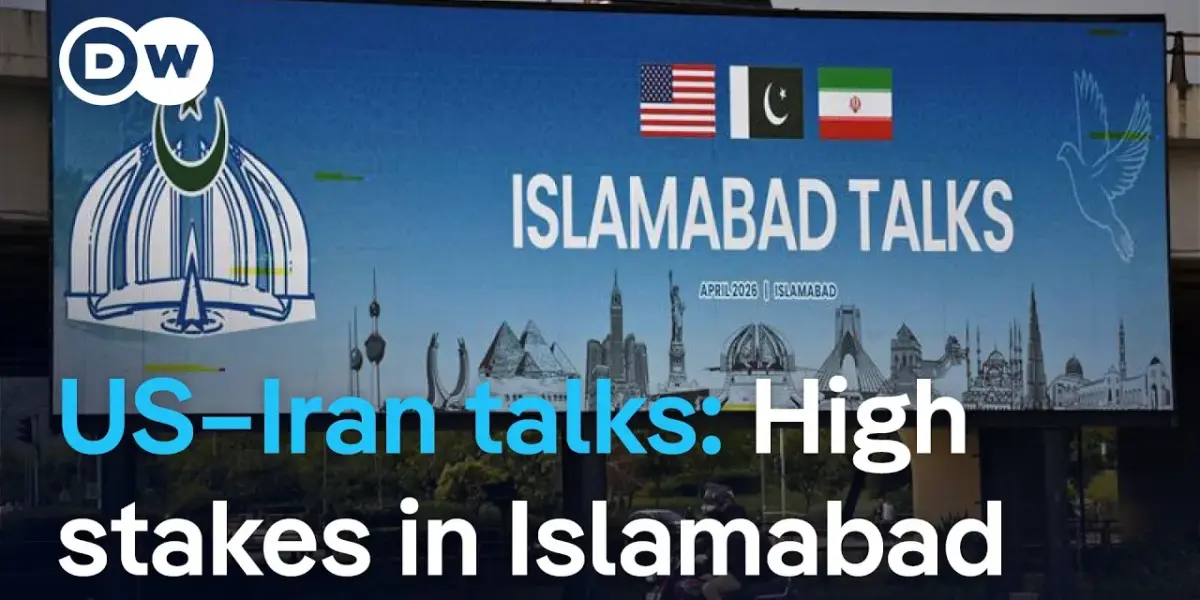
Ceasefire in Jeopardy as Hormuz Strait Becomes Flashpoint
A fragile two-week ceasefire between the US and Iran is showing significant strain, with both sides accusing each other of failing to uphold the terms of a recent deal. Tensions have flared over the critical Strait of Hormuz, a vital global shipping route, where ships have resumed passage but exclusively those linked to Iran. This development has drawn sharp criticism from US President Trump, who expressed his frustration on social media. He stated, “Iran is doing a very poor job, dishonorable, some would say, of allowing oil to go through the Strait of Hormuz. That is not the agreement we have.” The situation has prompted discussions about potential military responses, with British Prime Minister K Dama revealing he has spoken with President Trump about military options for the Strait.
Global Coalition Forms to Address Hormuz Navigation
Prime Minister K Dama highlighted efforts to assemble an international coalition, now comprising over 30 countries, to develop both political and diplomatic strategies. Crucially, this initiative also involves examining military capabilities and the practicalities of ensuring safe vessel passage through the Strait. “The focus of the discussion last night was reflection on what I’ve been discussing here but also that focus on a practical plan in relation to navigation through the strait,” K Dama explained. This coordinated approach signals a serious international concern over the stability and accessibility of this key economic artery.
Iran’s Ceasefire Demands and Hormuz Transit Issues
Middle East analyst Zavush Ranbadi explained the complexities surrounding the ceasefire’s implementation. Iran insists that the terms include a halt to fighting in Lebanon, a point President Trump seems to acknowledge by pressuring Israeli Prime Minister Netanyahu to reduce the intensity of attacks. However, Iran has not allowed unrestricted transit through the Strait of Hormuz. Ranbadi noted, “Iran keeps insisting that it is moving towards implementing a toll process and requiring ships to effectively pay a toll in cryptocurrency for transiting Hormuz.” This suggests a deviation from the expected unrestricted passage, adding another layer of contention to the fragile peace.
Europe Faces Energy Crisis as Hormuz Remains Contested
The situation in the Strait of Hormuz is causing significant concern in Europe, with reports suggesting only about three weeks of jet fuel reserves remain. This looming energy crisis could force Europe to consider more decisive actions to break the deadlock. The potential impact on European air travel is a pressing issue that might compel a more active stance from the continent. The economic consequences of continued disruption could be severe, underscoring the global importance of resolving the Hormuz standoff.
Lebanon Conflict Complicates Fragile Peace Talks
The ongoing conflict between Israel and Iran-backed Hezbollah in Lebanon further complicates the already tense situation. While Israel seeks direct peace talks with Lebanon, the current Lebanese government has a strained relationship with Iran. Analyst Zavush Ranbadi described the situation as “chaotic and messy,” casting a shadow over broader negotiations. Despite Iran’s strong objections to the fighting in Lebanon, it has not yet derailed the peace talks, indicating Iran’s significant interest in ending the conflict with the US.
Pakistan Hosts Crucial US-Iran Negotiations
Pakistan is preparing to host crucial negotiations between the US and Iran, aiming for a lasting peace in the Gulf. US Vice President JD Vance is leading the American delegation. Despite Iran’s previous stance against participating if Israel continues its actions in Lebanon, the Pakistani government believes the talks can proceed. Islamabad has implemented significant security measures, including deploying the army and declaring a public holiday, to ensure the safety and success of the negotiations.
US Delegation Expresses Cautious Optimism
Before departing for Pakistan, Vice President Vance conveyed a sense of guarded optimism. “We’re looking forward to the negotiation. I think it’s going to be positive,” he stated. However, he also issued a warning: “If they’re going to try to play us, then they’re going to find that the negotiating team is not that receptive.” The US delegation is operating under clear guidelines from President Trump, aiming for a positive outcome if Iran engages in good faith negotiations.
Iran Holds Strategic Advantage Despite Military Setbacks
Despite facing significant military challenges, Iran is seen by some analysts as holding a stronger hand in the negotiations. This paradox stems from Iran’s ability to retaliate against Gulf countries with missiles, rockets, and drones, and more critically, its “chokehold on the Strait of Hormuz.” Former US negotiator Alan Air noted that President Trump cannot afford to restart military attacks due to the severe economic repercussions. This strategic leverage gives Iran significant influence, even after military defeats.
Distrust and Maximalist Demands Mark Negotiations
A deep-seated distrust exists between the US and Iran, a sentiment acknowledged by former negotiator Alan Air. “Neither side should trust the other,” he stated. However, he emphasized that successful negotiations rely on mutual interest rather than trust. Both sides have presented maximalist demands, which are typical starting points in diplomacy. The critical challenge lies in their ability to significantly reduce these demands to reach a mutually acceptable agreement. The current US and Iranian demands are described as politically impossible for one side to accept and far beyond the other’s red lines.
China’s Influence and Pakistan’s Mediation Role
China is perceived as having significant influence over Iran and is actively seeking stability to prevent high commodity prices. While Pakistan serves as a vital mediator, China is seen as applying considerable pressure on Iran. “China is the one who at least in terms of influence on Iran is applying a lot of pressure,” an analyst observed. China’s concern over economic stability makes it a key player in encouraging a resolution, though Pakistan’s role as a mediator is crucial for facilitating communication between the US and Iran.
US Focus on Economic Stability Ahead of Midterms
The upcoming US midterm elections and rising inflation figures are influencing the US approach to the negotiations. Vice President Vance and his team are keenly interested in reopening the Strait of Hormuz to stabilize the economy. Countries like Israel and China, though not directly at the table, are closely monitoring the talks due to their own economic and security interests. The negotiations are taking place in a complex global environment where various national interests converge.
Inexperience of US Negotiators Questioned
The choice of JD Vance to lead the US delegation has been met with questions regarding his negotiating experience. While some point to his opposition to the war, others argue that neither Vance nor other key US figures possess significant diplomatic experience. “The US administration has a demonstrated lack of expertise when it comes to diplomacy, which takes time and sustained effort,” an analyst commented. The US approach is often characterized by directing other countries, rather than engaging in the sustained, patient negotiation required with experienced diplomats like those from Iran.
Key Demands and Potential Outcomes
The core demands from both sides include the US seeking to address Iran’s nuclear program and fully reopen the Strait of Hormuz. Iran’s priorities are strategic deterrence to prevent future attacks and securing revenue through tolls or sanctions relief to rebuild its economy and defense capabilities. The analyst believes a full, comprehensive peace is unlikely. Instead, President Trump may seek to “declare victory and move on” due to domestic political and global economic pressures. While a negotiated peace seems improbable, a resumption of sustained US military operations against Iran also appears unlikely, suggesting a path of least resistance might be chosen.
Israel’s Actions Pose Threat to Peace Deal
Israel’s continued military actions in Lebanon are seen as a significant threat to any potential peace deal. Israel desires the collapse of the Iranian state and actively seeks to undermine negotiations between the US and Iran. Iran has explicitly stated that continued Israeli attacks on Lebanon could prevent any deal. However, Israel views the Lebanon front separately and aims to secure control south of the Latani River to neutralize perceived security threats. This divergence in perspective poses a serious risk to the success of the ongoing talks.
Source: US-Iran peace talks under strain as Hormuz standoff threatens ceasefire | DW News (YouTube)

Related Articles
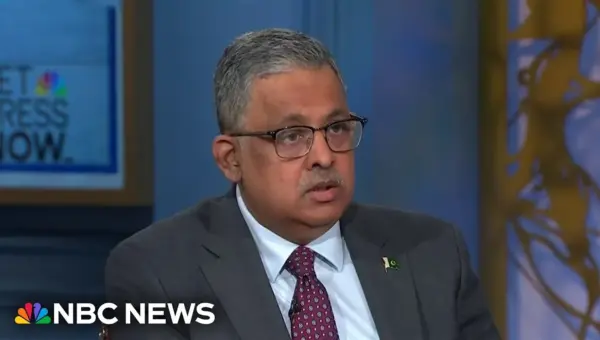
US, Iran Peace Talks Begin Amid Ceasefire Dispute
Vice President J.D. Vance leads a U.S. delegation to Pakistan for crucial peace talks with Iran, aiming to resolve escalating regional tensions. The negotiations commence amidst disputes over a ceasefire agreement, with both nations accusing each other of violations. Key issues include the Strait of Hormuz and the conflict in Lebanon, impacting global energy markets and consumer confidence.
Iran Gains Strait of Hormuz Control Amidst War
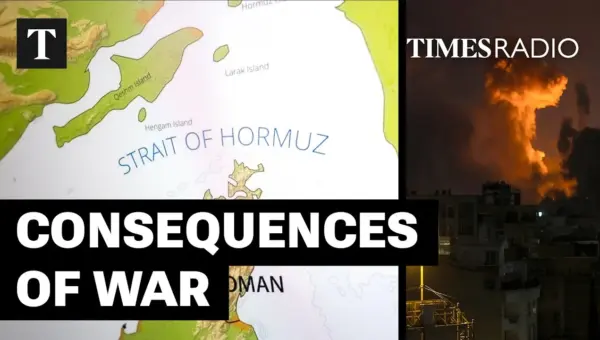
Top US officials are traveling to Pakistan for critical talks with Iran, facing preconditions including a ceasefire in Lebanon and the release of blocked assets. Iran's de facto control over the Strait of Hormuz has emerged as a significant leverage point in the escalating regional tensions. The negotiations are expected to be tough, with both sides holding firm positions on key issues.

Iran Nuclear Talks Heat Up Amid Ceasefire Concerns
The White House is clarifying its stance on Iran's nuclear program, emphasizing that enrichment is off the table. Meanwhile, a high-level delegation is heading to Pakistan for critical talks amid reports of continued hostilities and the alleged closure of the Strait of Hormuz, testing a fragile ceasefire.