US-Iran Talks Extend Late into Night in Pakistan
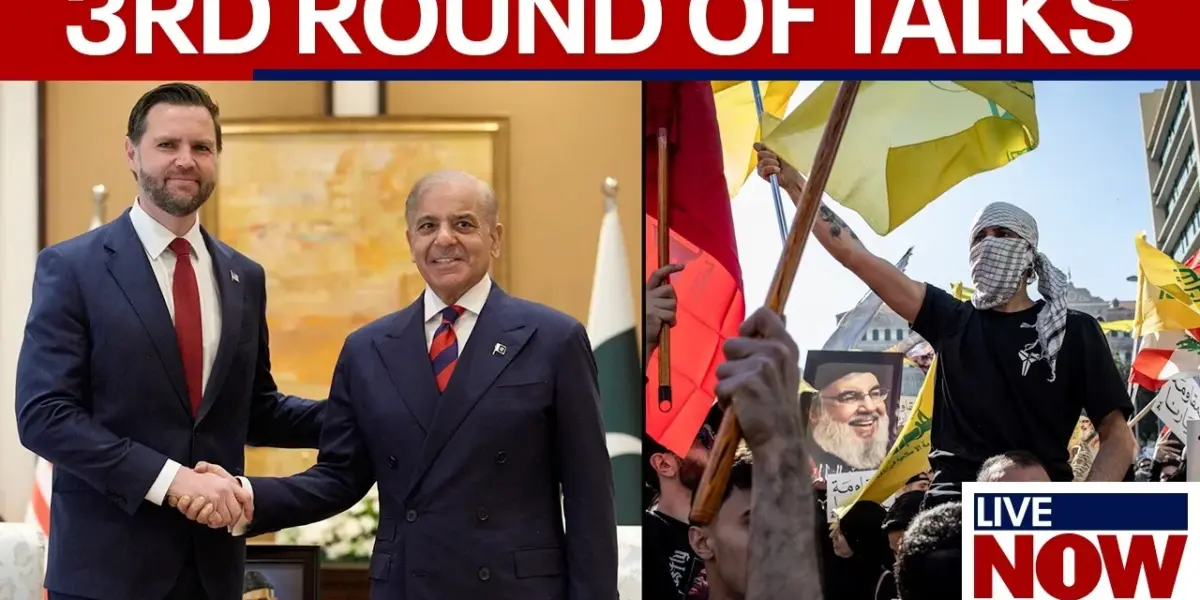
High-level U.S.-Iran talks have extended late into the night in Islamabad, Pakistan, marking the most significant direct discussions in over 50 years. Key demands from Iran include the release of overseas assets and control over the Strait of Hormuz, while the U.S. prioritizes a cessation of hostilities. The ongoing conflict with Israel and Hezbollah adds complexity to the already tense negotiations.

High-Level Talks Continue in Islamabad Amid Regional Conflict
United States and Iranian negotiators extended high-level talks late into the night in Islamabad, Pakistan, marking the most significant direct discussions between the two nations in over 50 years. The negotiations, occurring against the backdrop of a six-week regional war, saw Vice President JD Vance and US Envoy Steve Witoff engaging with Iranian representatives. These talks represent a critical moment for both countries, with analysts suggesting that a failure to reach an agreement could have severe consequences.
Key Demands and US Stance
Iran has publicly presented several key demands during the negotiations. These include the release of overseas assets, control over the Strait of Hormuz, and payment for war reparations. Additionally, Iran is seeking a ceasefire across the region, including in Lebanon. However, experts suggest that private discussions likely differ from public pronouncements, with both sides prioritizing their core interests.
According to Ross Harrison, a senior fellow at the Middle East Institute and author of “Decoding Iran’s Foreign Policy,” Iran’s primary goals include re-establishing deterrence after perceived losses in previous conflicts and securing financial means to rebuild its economy. This could come through sanctions relief, reparations, or control over trade routes.
On the American side, the immediate priorities are a cessation of hostilities and the unimpeded passage through the Strait of Hormuz. Discussions may also involve concessions on Iran’s nuclear program, though the specifics remain unclear given the public focus on the Strait of Hormuz.
Strait of Hormuz: A Critical Flashpoint
The Strait of Hormuz has emerged as a central point of contention and negotiation. Earlier in the day, U.S. Central Command (Centcom) confirmed that two naval destroyers successfully navigated the strait, clearing sea mines reportedly laid by Iran’s Islamic Revolutionary Guard Corps. This operation underscores the strategic importance of the waterway and highlights the ongoing tensions in the region.
Negotiation Dynamics and Iranian Strategy
Harrison explained that Iran’s approach to negotiations varies depending on its counterpart. With the United States, a global power, Iran emphasizes symbolism and dignity, given its history and the perceived asymmetries in the relationship. The presence of Vice President Vance is seen as a significant symbolic gesture.
Iran views past actions by the U.S., such as withdrawing from the 2015 nuclear deal and subsequent attacks during negotiations, as betrayals. This history shapes their cautious approach, ensuring that any agreements reached are backed by concrete actions on the ground. The high-level Iranian delegation, including the head of parliament and the foreign minister, indicates a serious commitment to the current talks.
International Pressure and Regional Concerns
Western nations, along with China, are closely monitoring the negotiations, signaling the high stakes involved and urging de-escalation. France, in particular, has expressed wariness regarding the U.S. agenda and believes it holds influence with Iran. The broader international community appears unified in the belief that the current conflict was perhaps ill-advised and that de-escalation is necessary to protect the interests of all parties involved, including the United States, Israel, Iran, and the global community.
Concerns extend to other Gulf nations, especially the UAE and Bahrain, which were targeted by Iranian missiles. These actions are seen as signals to countries aligning with Israel, particularly in light of the Abraham Accords. Iran appears to be carefully prioritizing its targets, potentially leaving pathways open for future relations with nations like Oman and Qatar, while making it more difficult with the UAE and Saudi Arabia.
Israel-Hezbollah Conflict and Potential Spoilers
The ongoing conflict between Israel and Hezbollah in Lebanon adds another layer of complexity. The postponement of the Lebanese foreign minister’s trip to the U.S. suggests a lack of significant de-escalation from Israel, despite potential pressure from the White House. Experts believe Israel’s political objectives have not yet been met, creating a potential misalignment of interests with the U.S. and Iran, who seem to be seeking off-ramps.
There is concern that Israel’s continued actions in Lebanon could act as a spoiler to the broader de-escalation efforts. Iran is unlikely to abandon Hezbollah, as doing so could jeopardize support from other regional actors. The United States faces the challenge of managing these divergent interests to prevent the negotiations from collapsing. Prime Minister Benjamin Netanyahu’s recent statements reaffirm Israel’s commitment to fighting Iran and its proxies, indicating a potential sticking point in future rounds of talks.
Looking Ahead
As the talks continue, the focus remains on whether momentum can be sustained through potentially more rounds of discussions, possibly extending into the early morning hours. The complexity of untangling the multi-faceted conflict, often described as a “3D chessboard,” will require careful navigation by all parties. The ultimate success of these negotiations may hinge on the ability of the United States to manage the divergent objectives of its allies and adversaries, particularly Israel, and to ensure that any agreements reached are durable and lead to a genuine de-escalation of regional tensions.
Source: US-Iran talks stretch past midnight in Pakistan (YouTube)

Related Articles

Iran Nuclear Deal Expert Warns Against Quick Deal Expectations
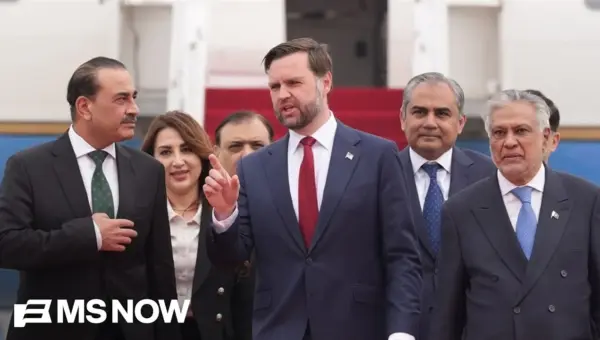
Robert Malley, a key negotiator of the 2015 Iran nuclear deal, warns against expecting a quick or easy resolution in current U.S.-Iran peace talks. He stresses that any agreement will require compromise from both sides, not surrender. Malley suggests the current talks may focus on immediate steps like reopening the Strait of Hormuz and sanctions relief, laying groundwork for future, more comprehensive discussions.

US Minesweepers Clear Strait of Hormuz Amid Peace Talks
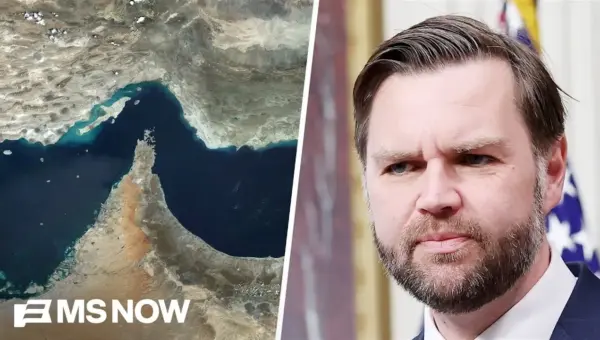
U.S. forces have commenced mine-clearing operations in the Strait of Hormuz, a critical waterway, amid high-level peace talks with Iran in Pakistan. The operation, seen as a positive sign, occurs while diplomats discuss Iran's nuclear program and regional stability. Experts weigh the risks, Iran's strategic leverage, and the complex interplay of international relations, including Israel's ongoing military actions.

US, Iran Hold Landmark Peace Talks in Pakistan
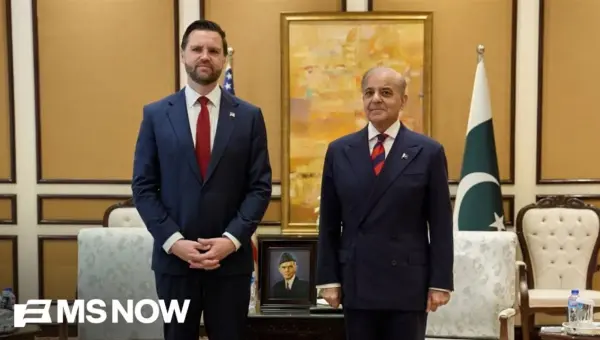
Top U.S. and Iranian delegations are holding landmark peace talks in Islamabad, Pakistan, mediated by the Pakistani government. This marks the first direct meeting between the two nations in nearly 50 years, with Vice President J.D. Vance leading the U.S. side.