US-Iran Talks Collapse: War Looms After Summit Fails
US-Iran peace talks in Islamabad have collapsed after the Trump administration reportedly tried to change the negotiating framework. Senator JD Vance announced the breakdown, stating Iran refused U.S. demands, signaling a likely return to conflict. The failure occurred while President Trump attended a UFC match.

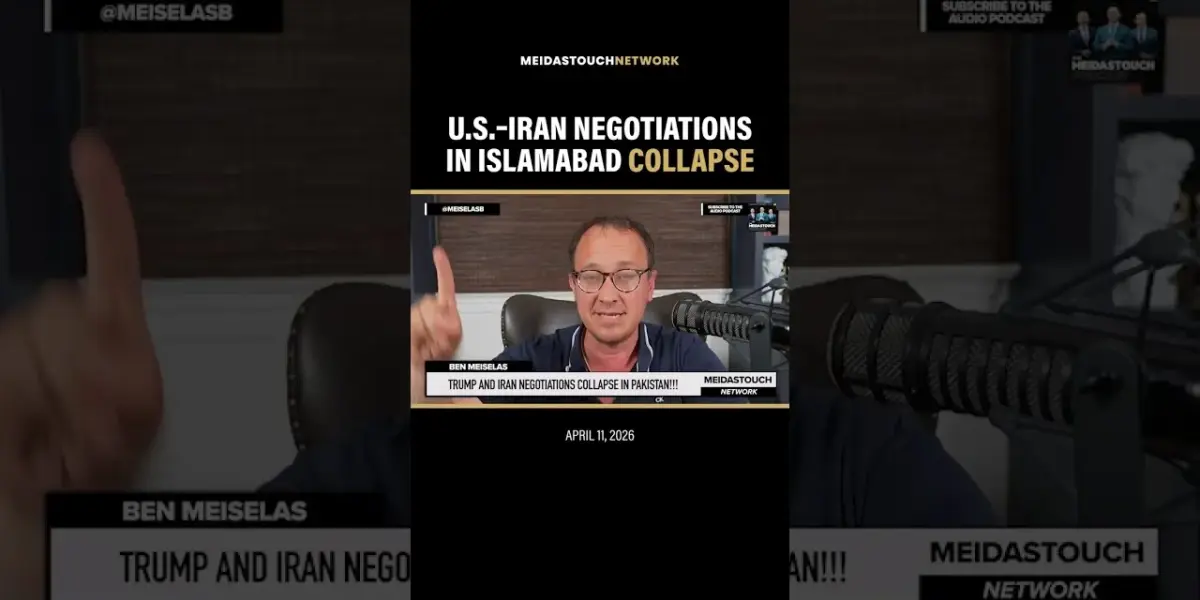
US-Iran Summit Crumbles in Islamabad
Peace talks between the United States and Iran have dramatically collapsed. This breakdown occurred in Islamabad, Pakistan, despite earlier hopes. President Donald Trump had initially agreed to negotiate based on Iran’s 10-point framework. This framework had been the starting point for a ceasefire process, leading to these crucial discussions.
However, once the negotiations began, the Trump administration reportedly sought to change the agreed-upon terms. They wanted to impose their own plans on Iran. Iran refused this change, reminding the U.S. of their initial agreement.
Negotiations End After 14 Hours
The talks lasted for more than 14 hours, a significant period dedicated to finding common ground. Moments ago, Senator JD Vance announced the definitive end of these negotiations. He stated that Iran refused to accept the United States’ ultimatum and demands.
“Iran has chosen not to accept our terms,” Vance declared at a press conference. He added that there is no agreement. Vance also stressed that this failure is much worse for Iran than for the United States.
Moments after Vance’s announcement, JD Vance held another press conference. He reiterated that the peace talks were off. Iran was unwilling to accept demands that the United States had unilaterally imposed. This suggests a significant shift in the U.S. negotiating stance.
Trump Attends UFC Match Amidst Diplomatic Crisis
Interestingly, while these critical negotiations were failing, President Donald Trump was reportedly in Florida. He was attending a UFC match. Secretary of State Marco Rubio was also present, seen clapping for the President. Reports described Trump as appearing somewhat disoriented at the event.
This contrast between the high-stakes diplomatic crisis and the President’s public appearance raises questions about the administration’s focus. The complete breakdown of talks in Islamabad strongly suggests a return to conflict. The initial ceasefire may have been a temporary measure, possibly aimed at manipulating markets rather than achieving lasting peace.
Pakistan’s Role and U.S. Red Lines
Senator Vance acknowledged the efforts of Pakistan, who hosted the talks. He stated that the shortcomings of the negotiation were not due to the Pakistani hosts. They had done an amazing job and genuinely tried to help bridge the gap between the two nations. Vance confirmed that substantive discussions had taken place over 21 hours.
However, the U.S. made its position clear. Vance explained that the U.S. had defined its red lines, indicating what they were willing to accommodate and what they were not. They had communicated these boundaries as clearly as possible. Iran’s refusal to accept these terms led to the final breakdown.
Why This Matters
The collapse of these negotiations is a deeply concerning development. It signals a probable escalation of tensions and potential conflict between the U.S. and Iran. The initial agreement to negotiate on Iran’s terms seemed promising. However, the reported U.S. attempt to change the framework suggests a lack of genuine commitment to the agreed process.
The situation highlights the fragility of diplomatic efforts, especially when underlying demands are perceived as unilateral impositions. The U.S. claim that the failure is worse for Iran could be an attempt to project strength. However, any resumption of hostilities would have far-reaching consequences for regional stability and global markets.
Historical Context and Future Outlook
U.S.-Iran relations have a long and complex history marked by mistrust and periodic conflict. The current situation is a continuation of decades of strained diplomacy. Previous attempts at de-escalation have often been overshadowed by mutual suspicion and political maneuvering.
The failure in Islamabad suggests that a diplomatic solution remains elusive. The focus may now shift to military or economic pressure. The coming days and weeks will be critical in determining whether a path to de-escalation can be found or if the region is headed towards renewed conflict. The international community will be watching closely, hoping for a peaceful resolution, but preparing for the worst.
Source: U.S.-IRAN NEGOTIATIONS COLLAPSE IN ISLAMABAD — 4/11/26 (YouTube)

Related Articles

Robots Turn Tide: Ukraine’s Tech Edge Crushes Russian Forces
Ukraine's innovative use of ground robotics is fundamentally altering the nature of warfare, offering a strategic advantage over Russia. These machines are reducing casualties, enabling territorial gains, and paving the way for Ukraine's future economic strength.

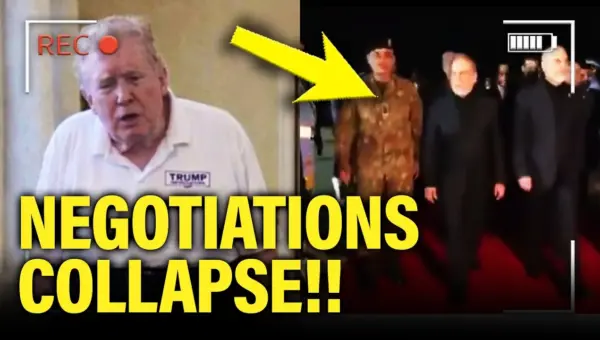
US-Iran Talks Collapse: Trump’s Dealmaking Falters
Recent U.S.-Iran negotiations in Pakistan have collapsed, with both sides blaming the other for changing the framework and imposing demands. The failure raises concerns about renewed conflict and highlights deep-seated mistrust.

Iran Talks Collapse: No Deal on Nuclear or Strait Fees
International talks aimed at halting Iran's nuclear program have collapsed, with negotiators returning home without a deal. Key disagreements over uranium enrichment and control of the Strait of Hormuz remain unresolved, raising concerns about regional stability and oil prices.