US Iran Stance Shifts: Allies Tested, China Warned
The U.S. is shifting its strategy in Iran, focusing on a shorter military timeline and relying more on allies for regional security. This move also sends a strong message to China regarding its ambitions in Taiwan.

US Reassesses Iran Mission: A New Strategy Emerges
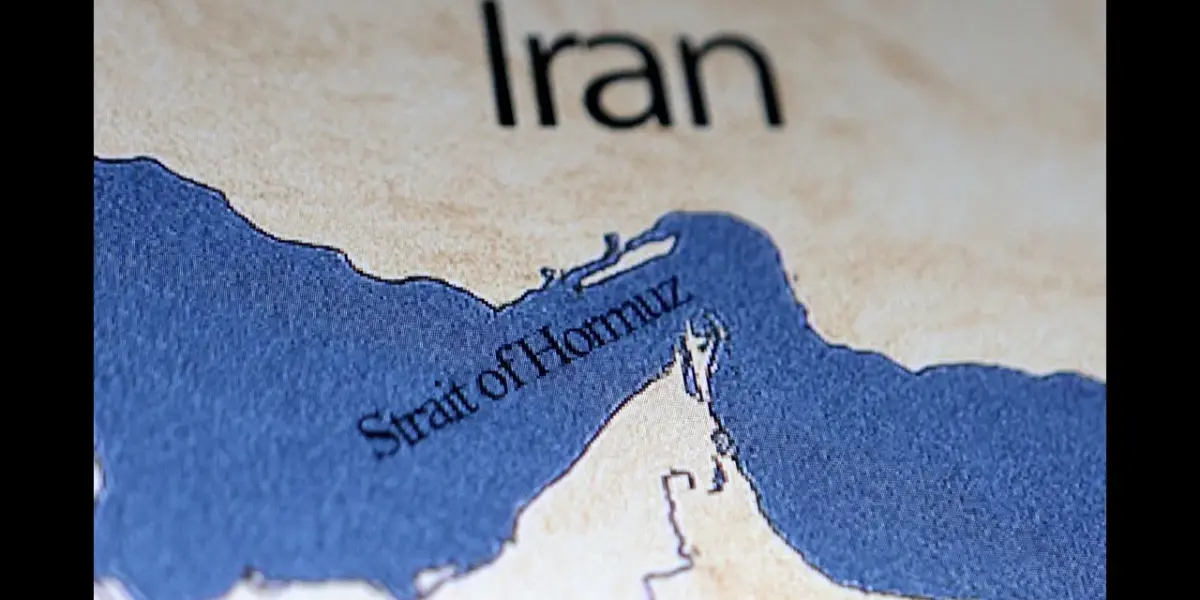
The recent national address from the President outlined a significant shift in the United States’ approach to Iran. While highlighting military successes, the President indicated a narrowed focus and a shorter timeline for U.S. involvement. Key takeaways suggest that the U.S. may not be the sole entity responsible for keeping vital shipping lanes open, like the Strait of Hormuz. Instead, allies are being called upon to share this critical responsibility. Furthermore, the U.S. will not directly retrieve enriched uranium found at damaged nuclear sites. Instead, the plan is to monitor these sites closely from afar. Any attempt by Iran to access this material will be met with further military action.
Iran Operation: A Limited Window and Strategic Restraint
The President emphasized a two-to-three-week timeframe for continued operations in Iran, signaling an end to prolonged military engagement. This approach suggests a desire to avoid a lengthy conflict, unlike other historical interventions. The decision not to retrieve the enriched uranium, referred to as “nuclear dust,” before declaring victory is a notable change. This move implies a level of trust in the U.S.’s ability to monitor the situation remotely. The administration believes it possesses the capability to track Iran’s actions and respond if necessary. The destruction of Iran’s military capabilities, including its air force and navy, is seen as a success. This leaves Iran with limited means to counter U.S. air power or missile strikes.
“We have it under intense satellite surveillance and control. If we see them make a move, even a move for it will hit them with missiles very hard again.”
Allies Under Pressure: Testing the Strength of Alliances
The President’s remarks also touched upon the role of international allies. While Gulf state allies received commendation, a noticeable silence surrounded NATO allies. This omission comes amid recent criticisms of NATO’s response to the Iran operation, with suggestions of potential U.S. withdrawal from the alliance. The NATO Secretary General has stressed the importance of U.S. involvement for European security. He urged NATO to actively work towards keeping the Strait of Hormuz open, a virtual meeting was held to address these concerns. It appears NATO is motivated to meet the President’s demands to preserve the alliance. Many believe the alliance benefits European nations more than the United States, which provides the bulk of its military and financial strength.
Rebuilding Iran: A Path Forward Beyond Conflict
The U.S. has refrained from destroying Iran’s oil infrastructure, recognizing it as a crucial element for the nation’s future. This strategic restraint aims to provide a foundation for rebuilding, regardless of the future political landscape in Iran. The goal is to ensure that any successor regime, whether more pro-Western, democratic, or even a reformed theocracy, has essential infrastructure like an electric grid and oil production capabilities. Destroying everything would make the rebuilding process significantly more challenging and harm the Iranian people, the vast majority of whom are believed to not support the current regime. The hope is that the cessation of military action will encourage internal change and new leadership within Iran.
China’s Ambitions: A Message of Strength and Deterrence
The U.S. operation in Iran sends a clear message to China regarding American military power and resolve. The President’s willingness to use military force when national interests are at stake, while prioritizing diplomacy, is a key point. The U.S. seeks good relations with China but has also made it clear that it will not allow China to take over Taiwan or increase its threat to the United States. Recent actions in the Middle East are intended to project strength and deter further aggression. This strong stance is expected to influence China’s strategic calculations concerning Taiwan and its broader regional ambitions.
Why This Matters
This shift in U.S. foreign policy signals a move towards more focused and potentially shorter military engagements. It places greater emphasis on allied cooperation and highlights the complex dynamics within international alliances like NATO. The U.S. approach to Iran also considers the long-term consequences for the Iranian population, aiming to facilitate future recovery rather than outright destruction. For China, the message is clear: American military power remains a significant factor in global security, and aggressive actions will be met with a strong response. This recalibration of U.S. foreign policy has implications for global stability, the future of alliances, and the balance of power in Asia.
Implications and Future Outlook
The U.S. strategy in Iran suggests a potential move away from nation-building or extensive post-conflict involvement. The focus is on achieving specific military objectives and then withdrawing, leaving the long-term stability to regional actors and internal forces. This could lead to more agile and targeted military interventions in the future. For NATO, the pressure to contribute more significantly to collective security and align with U.S. priorities will likely intensify. Failure to do so could strain the alliance further. China’s response to the U.S. projection of strength will be critical. The situation around Taiwan remains a key area to watch, as China assesses its options in light of perceived U.S. resolve. The long-term economic and political recovery of Iran will also depend heavily on internal dynamics and the international community’s willingness to engage constructively.
Historical Context
The U.S. has a long history of involvement in the Middle East, with various administrations adopting different strategies. Previous U.S. administrations have engaged in prolonged military operations and nation-building efforts in the region. The current approach appears to be a departure from these longer, more expansive interventions. The Strait of Hormuz has historically been a critical chokepoint for global oil supplies, and its security has been a major concern for international powers. The U.S. has often taken the lead in ensuring its openness. The dynamic with China over Taiwan has been a source of tension for decades, with the U.S. maintaining a policy of strategic ambiguity while supporting Taiwan’s defense capabilities.
Source: European Allies Likely to Stay Strong Friends With US, While Iran Operation Puts China on Notice (YouTube)

Related Articles


China’s Global Reach Faces Setbacks Amidst Internal Turmoil
China's international influence is facing growing opposition and internal challenges. From strategic island disputes and diplomatic overtures towards Taiwan to domestic unrest and technological failures, Beijing's global ambitions are encountering significant setbacks. These events signal a complex geopolitical landscape where China's power is being tested on multiple fronts.
Canada Hits NATO’s 2% Defense Spending Target
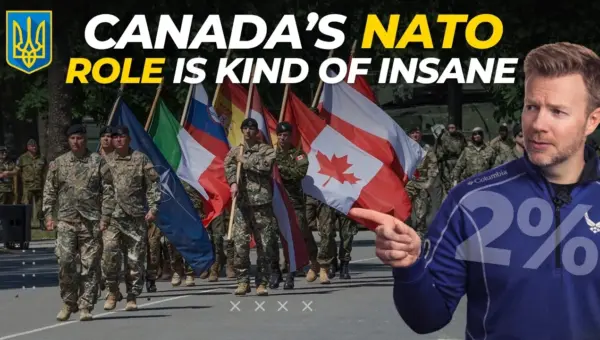
Canada has finally met NATO's 2% of GDP defense spending target, a goal set in 2014. However, the country's actual military contributions and aid to Ukraine have been significant for years, often exceeding what the spending percentage reflects. Analysts emphasize that actual capabilities and strategic actions matter more than a simple financial benchmark.


Iran Downs US Jet, Escalating Mideast Tensions
Iran has reportedly shot down a U.S. fighter jet, prompting immediate search and rescue operations for the downed airmen. This incident significantly escalates regional tensions and could alter ongoing U.S. military plans against Iran. The event highlights the volatile nature of the Middle East and the potential for miscalculation.