US-Iran Peace Talks Convene in Pakistan Amid High Stakes
High-stakes peace talks between the U.S. and Iran are underway in Islamabad, Pakistan, aiming to turn a fragile ceasefire into a lasting agreement. Led by U.S. Vice President J.D. Vance, the delegations are tackling critical issues including the Strait of Hormuz and regional security. Pakistan's pivotal role as a mediator has placed it at the center of global attention.


US-Iran Peace Talks Convene in Pakistan Amid High Stakes
High-level delegations from the United States and Iran have met in Islamabad, Pakistan, in a critical bid to transform a fragile ceasefire into a lasting peace agreement. The talks, shrouded in intense security and secrecy, represent a pivotal moment for regional stability and global economics, with all eyes on the outcome.
Delegation Composition Signals Seriousness
The U.S. delegation, led by Vice President J.D. Vance, includes prominent figures like Jared Kushner and Steve Witkoff. Their presence signals the gravity of the negotiations, elevating them from personal initiatives to state-level discussions. Professor Sultan Barakat, a senior associate fellow at RUSI, noted that Vance’s leadership offers more confidence to the Iranians than previous engagements, which were often perceived as driven by personal preference rather than official policy.
Barakat explained that Vance, unlike some other U.S. negotiators, has more at stake politically and personally in achieving a successful outcome. His involvement suggests a serious U.S. commitment to de-escalation, particularly given his past private concerns about the potential economic fallout of the conflict.
Iran’s Demands and Potential Agreements
Iran has presented clear conditions for meaningful dialogue, demanding an end to Israeli strikes in Lebanon and the release of frozen Iranian assets. Reports suggest that the U.S. may have already agreed to unfreeze some of these assets, a move that could facilitate progress. Experts believe that preliminary agreements on smaller issues, such as the release of frozen funds tied to previous prisoner exchanges, have likely been reached to encourage both sides to engage seriously.
The pressure on Israel to cease attacks in Lebanon is also seen as a key factor in bringing Iran to the table. However, the ongoing Israeli military actions in Lebanon present a significant challenge to the fragile ceasefire, raising questions about the potential for a sustainable peace.
The Strait of Hormuz: A Critical Economic Flashpoint
The conflict’s economic impact, particularly on global oil prices, is a major concern. The Strait of Hormuz, a vital chokepoint for global oil transport, has become a focal point. Brent crude prices have surged, significantly impacting the global economy. Experts suggest that Iran may be willing to address the issue of the Strait of Hormuz, potentially allowing passage for certain nations to ease economic pressure and provide a face-saving exit for the U.S. administration.
However, the details remain contentious. Iran has indicated that it might seek compensation for war damages, a demand that the U.S. has reportedly found unacceptable. The possibility of Iran imposing tolls or restrictions on passage remains a key point of negotiation. A worst-case scenario could involve physical intervention by U.S. forces to ensure passage, potentially escalating tensions further.
Israel’s Role and Regional Stability
The ongoing Israeli strikes in Lebanon are viewed as a major obstacle to lasting peace. Professor Barakat emphasized that addressing Israel’s actions is crucial for any long-term regional stability. The Israeli-Palestinian conflict and Israel’s broader regional ambitions are seen as underlying issues that must be confronted.
While direct Iran-Israel talks are unlikely in Islamabad, the broader issues involving Israel are seen as central to resolving the current crisis. Without addressing these fundamental problems, achieving enduring peace in the region remains a distant prospect.
Pakistan’s Diplomatic Ascendancy
Pakistan’s role as a mediator has placed it unexpectedly in the global spotlight. Historically, relations between Pakistan and the U.S. have been strained, particularly following the U.S. withdrawal from Afghanistan and strengthened ties with India. However, Pakistan’s strategic location, bordering Iran, and its desire to enhance its diplomatic standing have propelled it into this mediation role.
The high-level reception of both the U.S. and Iranian delegations by Pakistan’s military chief, Field Marshal Asim Munir, underscores the nation’s significant involvement. This mediation effort has fostered a sense of national pride among Pakistanis, who see their country facilitating peace rather than being associated with regional instability.
China’s Potential Influence
While Pakistan is the primary host, reports suggest that China may have played a crucial behind-the-scenes role. Beijing’s intervention is believed to have helped de-escalate tensions at a critical juncture, potentially offering guarantees to Iran. This highlights a complex web of regional and international actors involved in seeking a resolution.
Looking Ahead: The Path to Peace
The talks in Islamabad represent a critical opportunity to de-escalate a conflict with far-reaching consequences. The success of these negotiations hinges on bridging the significant gaps between the U.S. and Iranian demands, particularly concerning regional security and economic stability. The role of Israel and the broader Israeli-Palestinian conflict remain central challenges that must be addressed for any lasting peace to emerge. The world watches closely to see if this fragile moment can indeed be transformed into a pathway toward enduring stability.
Source: Can the US-Iran talks in Pakistan turn a fragile ceasefire into a lasting peace? | DW News (YouTube)

Related Articles

Iran Deal Reached: Trump Suspends Bombing for 2 Weeks
President Trump has agreed to a two-week ceasefire with Iran, suspending military strikes as negotiations progress on a 10-point peace proposal. The deal hinges on Iran reopening the Strait of Hormuz, a critical global trade route. This development comes amid U.S. efforts to rebuild its defense capabilities and counter an axis of adversarial nations.


Iran Controls Strait, Threatens Global Oil Flow
Iran's assertion of control over the Strait of Hormuz, a vital global oil chokepoint, threatens international trade and stability. Amidst escalating Middle East tensions and doubts about upcoming peace talks, the world watches to see if diplomacy or military action will prevail in ensuring freedom of navigation.

US, Iran Meet for Peace Talks Amid Regional Tensions
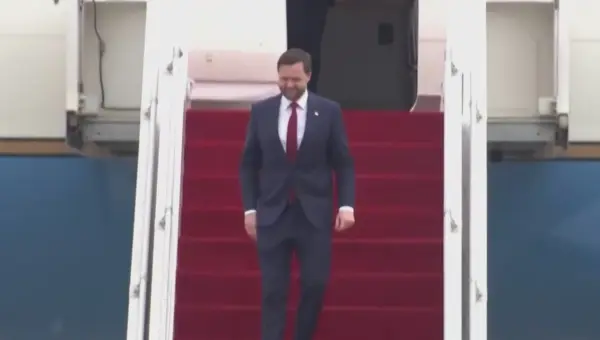
Vice President JD Vance leads U.S. talks with Iran in Pakistan, focusing on nuclear capabilities and the Strait of Hormuz. Held amid regional tensions and deep distrust, the negotiations face significant hurdles, including Iran's demands for asset release and a Lebanon cease-fire. The outcome could reshape regional stability and global energy markets.