US, Iran Peace Talks Begin Amid Ceasefire Dispute
Vice President J.D. Vance leads a U.S. delegation to Pakistan for crucial peace talks with Iran, aiming to resolve escalating regional tensions. The negotiations commence amidst disputes over a ceasefire agreement, with both nations accusing each other of violations. Key issues include the Strait of Hormuz and the conflict in Lebanon, impacting global energy markets and consumer confidence.

US, Iran Diplomacy Intensifies in Pakistan Amid Tensions
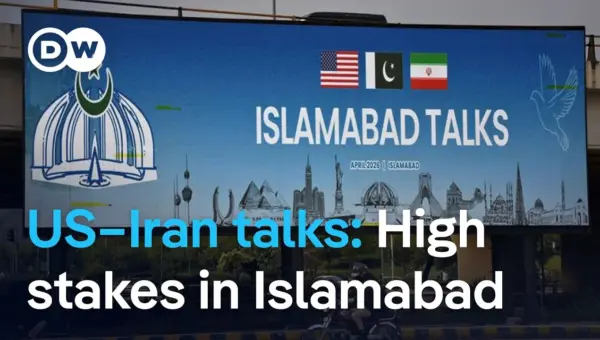
High-stakes peace talks between the United States and Iran are set to begin in Islamabad, Pakistan, with Vice President J.D. Vance leading the U.S. delegation. The negotiations, expected to commence tomorrow, face immediate challenges as both nations accuse each other of violating a supposed ceasefire agreement. This fragile truce was intended to pave the way for these crucial discussions.
Vance Delivers Stern Warning to Iran Ahead of Talks
Vice President Vance, speaking briefly to reporters before departing Washington, conveyed a clear message to Tehran. “We’re looking forward to the negotiation,” Vance stated, “but if the Iranians are willing to negotiate in good faith, we’re certainly willing to extend the open hand. If they’re going to try to play us, then they’re going to find that the negotiating team is not that receptive.” He emphasized that President Trump has provided clear guidelines for the U.S. team.
Trump Ramps Up Pressure with Military Threats
President Trump has intensified pressure on Iran, threatening renewed military action if the talks fail. He took to social media to criticize Iran’s handling of the Strait of Hormuz, claiming Tehran had promised to reopen it. The President also asserted that Iran possesses “no cards” and that its current survival hinges on these negotiations. In an interview with the New York Post, Trump indicated that military assets were being prepared, stating, “If there is no deal, we will be using those weapons.”
Iran Sets Preconditions for Negotiations
Iran’s Speaker of Parliament, who is leading their delegation, has outlined conditions for the talks. He declared that negotiations would not proceed without a ceasefire between Israel and Iran-backed Hezbollah in Lebanon, coupled with the release of Iranian assets frozen by sanctions. This demand directly conflicts with the U.S. and Israeli stance that the Lebanon conflict was not part of the ceasefire agreement.
Strait of Hormuz Remains a Key Sticking Point
The Strait of Hormuz, a vital waterway for global oil transport, remains a significant point of contention. Iran claims the strait is closed, with traffic severely limited. S&P Global Market Intelligence reported that only two vessels transited the strait recently, with none being oil tankers. This closure has directly impacted global energy markets and U.S. economic concerns.
U.S. Delegation and Strategic Goals
Vice President Vance is joined by Special Envoy Steve Witkoff and President’s son-in-law Jared Kushner in leading the U.S. delegation. While the White House projects confidence in achieving a broad deal, the immediate priority appears to be an agreement on the Strait of Hormuz. U.S. officials believe they have weakened Iran sufficiently in areas like ballistic missiles and nuclear production, allowing them to focus on other issues later.
Vance’s Role and Political Stakes
Vice President Vance’s leadership of the delegation is notable, especially given his previous private opposition to war with Iran. A source close to the White House noted that Vance is there to speak for the President, not his personal views. Despite lacking extensive experience in this specific area, Vance is seen by some as bringing credibility and a fresh perspective to the Iranians, especially after perceived trust issues with previous negotiators.
Economic Fallout and Public Opinion
The conflict has had a tangible impact on the U.S. economy. The Labor Department reported a nearly 1% jump in consumer prices in March compared to the previous month, and 3.3% higher than a year ago. This surge was largely driven by the largest one-month increase in gas prices in nearly 60 years. A University of Michigan survey revealed a significant drop in consumer sentiment, reaching a record low in April, reflecting growing pessimism about the economy.
Israel’s Position and Regional Dynamics
In Tel Aviv, Israeli officials are closely monitoring the talks. What began as a strategic objective for Prime Minister Benjamin Netanyahu has become a complex situation. Israel lacks direct diplomatic ties with Pakistan, making their involvement indirect through the U.S. The recent conflict in Lebanon against Hezbollah, an Iranian proxy, is a critical component of these regional dynamics. U.S. pressure on Netanyahu to scale back attacks in Lebanon is seen as crucial for advancing the Pakistan negotiations.
The Path Forward: Diplomacy or Escalation?
If the talks in Islamabad falter, the White House faces difficult choices. While President Trump has threatened military action, the economic consequences of continued conflict, particularly high gas prices and low consumer confidence, present significant challenges. The U.S. may need to rely on international coalitions to manage the Strait of Hormuz or convince Iran of a negotiated settlement. The success of these talks is paramount for regional stability and the U.S. economy as the midterm elections approach.
Ambassador Sheikh’s Perspective on the Talks
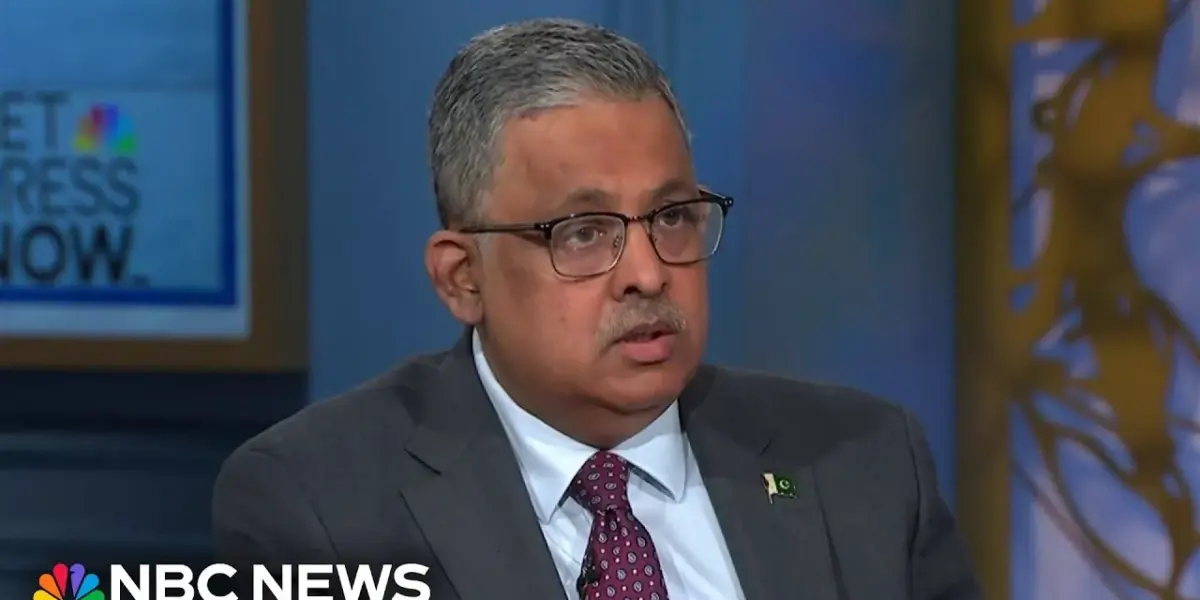
Pakistan’s Ambassador to the U.S., Rizwan Saeed Sheikh, expressed confidence that the talks would proceed, despite Iran’s preconditions regarding Lebanon. He highlighted Pakistan’s long-standing tradition of mediation and the extensive diplomatic efforts by multiple countries. “Whatever has been part of discussions going into these talks needs to be honored,” Sheikh stated, underscoring the importance of addressing all concerns for substantive discussions.
Addressing Misunderstandings and Seeking Resolution
Responding to Vice President Vance’s comment about a potential misunderstanding regarding the ceasefire’s scope, Ambassador Sheikh emphasized the constructive spirit of the parties involved. “It is in the nature of conflict that it is not fully resolved until it is resolved,” he said, suggesting that any outstanding issues can be fine-tuned during the negotiations. Pakistan’s role as a facilitator is to bring the parties together, allowing them to find a mutually agreeable solution.
Economic Impact: Inflation and Consumer Sentiment
Brian Cheung, NBC News Business Correspondent, detailed the economic fallout. He explained that the March inflation data, collected before the ceasefire, showed significant price increases, especially in energy. While gas prices have seen a slight dip, they remain substantially higher than before the conflict. The sharp decline in consumer sentiment signals growing unease about personal finances, which could potentially slow consumer spending and impact the broader economy.
Source: Pakistan's ambassador previews Iran peace talks as JD Vance heads to Islamabad (YouTube)

Related Articles
Iran Gains Strait of Hormuz Control Amidst War
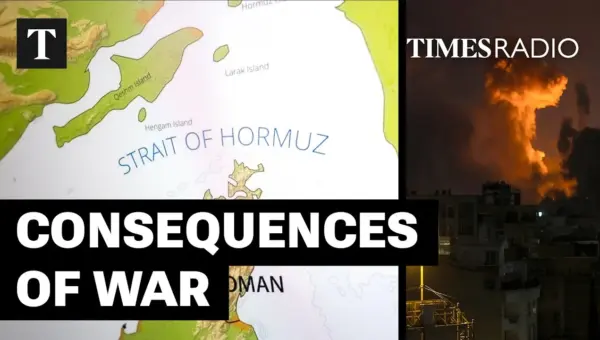
Top US officials are traveling to Pakistan for critical talks with Iran, facing preconditions including a ceasefire in Lebanon and the release of blocked assets. Iran's de facto control over the Strait of Hormuz has emerged as a significant leverage point in the escalating regional tensions. The negotiations are expected to be tough, with both sides holding firm positions on key issues.

Iran Nuclear Talks Heat Up Amid Ceasefire Concerns
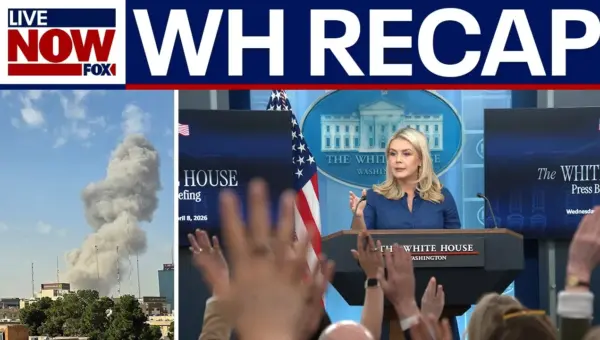
The White House is clarifying its stance on Iran's nuclear program, emphasizing that enrichment is off the table. Meanwhile, a high-level delegation is heading to Pakistan for critical talks amid reports of continued hostilities and the alleged closure of the Strait of Hormuz, testing a fragile ceasefire.
US-Iran Talks Falter Amid Hormuz Standoff, Ceasefire Strain
A fragile ceasefire between the US and Iran is under severe strain as tensions rise over the critical Strait of Hormuz. Both nations accuse each other of violating the terms of a recent deal, while international efforts to secure the vital shipping lane intensify. Crucial peace talks are underway in Pakistan, but deep-seated distrust and maximalist demands from both sides cast doubt on the likelihood of a comprehensive agreement.