US-Iran Nuclear Talks Collapse, Raising Regional Tensions
High-level U.S.-Iran nuclear talks have collapsed due to significant differences on key issues, leaving diplomatic channels strained. Both sides remain prepared for military action, while the security of the Strait of Hormuz remains a critical concern for global energy markets.

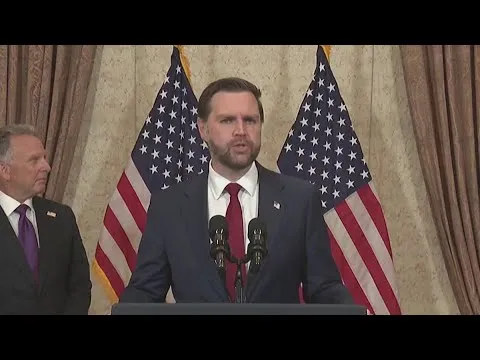
US-Iran Nuclear Talks Collapse, Raising Regional Tensions
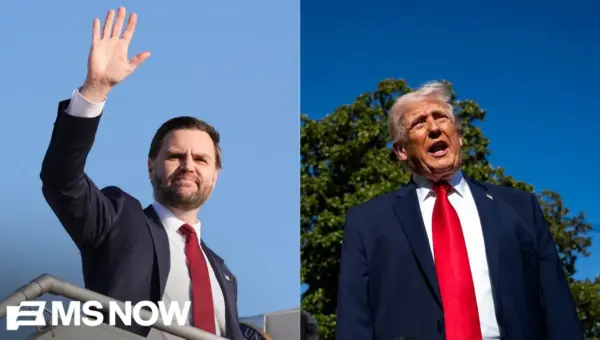
High-level talks between the United States and Iran have ended without a deal, leaving diplomatic channels strained and regional security concerns heightened. Vice President Vance, representing the U.S., stated that while his country was flexible and aimed to negotiate, the differences between Tehran and Washington were too wide to bridge. The core U.S. goal, he emphasized, is a clear commitment from Iran that it will not pursue nuclear weapons or the means to build them quickly. This goal, Vance explained, was not met during the extensive, 20-hour negotiations hosted by Pakistan.
U.S. Demands Clarity on Nuclear Intentions
The United States sought a long-term commitment from Iran regarding its nuclear program. Vance highlighted that while Iran’s current enrichment facilities might be limited, the fundamental question remains whether Iran is committed to abandoning nuclear weapons development for the future. The U.S. delegation believed they presented a flexible and accommodating position, making their best effort to reach an agreement as directed by President Trump. However, they were unable to achieve the necessary progress.
Iran Cites Trust Issues and Unresolved Differences
From the Iranian perspective, trust remains a significant hurdle in relations with the United States. An Iranian foreign ministry spokesperson acknowledged that an understanding was reached on several issues. However, two or three critical points saw widely divergent views, preventing a final agreement. This indicates that while some common ground may exist, fundamental disagreements persist, blocking a comprehensive deal.
Regional Security Remains a Concern
Despite the stalled diplomatic efforts, the U.S. military presence in the region remains strong and vigilant. U.S. Central Command has shown images of American warships operating in the area, signaling readiness. Both Tehran and Washington have indicated they are prepared for renewed military action should the current cease-fire efforts fail. This underscores the volatile nature of the region and the potential for escalation.
Strait of Hormuz: A Key Strategic Chokepoint
Amidst these developments, U.S. Central Command confirmed that two American destroyers successfully transited the Strait of Hormuz. This passage is significant as it occurs while the U.S. Navy begins mine removal operations in the strait. The Strait of Hormuz is a vital waterway for global oil transport, and its security is a top priority for the U.S. Iran, however, disputes the U.S. account, asserting that passage through the strait requires permission from its military. This disagreement highlights ongoing tensions over freedom of navigation in this critical maritime area.
Global Impact: Why This Reshapes the World Order
The failure of these negotiations has several important implications for global stability and the international order. Firstly, it prolongs the uncertainty surrounding Iran’s nuclear ambitions, potentially triggering a regional arms race if Iran decides to pursue weapons capabilities. Secondly, the continued military posturing by both the U.S. and Iran in the Strait of Hormuz raises the risk of accidental conflict, which could disrupt global energy markets. The inability of major powers to resolve such critical issues through diplomacy also weakens international institutions and norms that rely on dialogue and agreement. This could embolden other nations to take more assertive actions, leading to a more fragmented and unpredictable world.
Historical Context: A Long Road of Distrust
The current diplomatic stalemate is rooted in decades of complex history between the U.S. and Iran. Direct face-to-face meetings between high-level officials have been rare since the 1979 Islamic Revolution. Past agreements, like the Joint Comprehensive Plan of Action (JCPOA) on Iran’s nuclear program, have faced significant challenges and withdrawals, fostering deep mistrust on both sides. The U.S. withdrawal from the JCPOA in 2018 and subsequent reimposition of sanctions by the Trump administration further complicated relations. Iran’s perception of U.S. actions as untrustworthy influences its current negotiating stance, emphasizing the need for verifiable guarantees and a reversal of punitive measures.
Economic Leverage: Sanctions and Energy Routes
Economic factors play a crucial role in the U.S.-Iran dynamic. U.S. sanctions continue to impact Iran’s economy significantly, limiting its ability to engage in international trade and access financial markets. For the U.S., maintaining sanctions serves as a tool to pressure Iran into compliance with its demands, particularly concerning its nuclear program and regional activities. The Strait of Hormuz is not only a strategic military chokepoint but also a critical artery for global oil supply. Any disruption here could lead to significant price spikes and economic instability worldwide, giving both countries considerable leverage but also making any conflict extremely costly.
Future Scenarios: A Path Forward?
Several future scenarios could unfold. One possibility is a continuation of the current standoff, with ongoing military vigilance and intermittent diplomatic efforts. Another scenario involves Iran accelerating its nuclear program in response to perceived U.S. inflexibility, leading to increased international pressure and potential military responses. Conversely, a shift in political will on either side, perhaps driven by domestic pressures or a reassessment of strategic costs, could lead to renewed, more productive negotiations. The involvement of regional powers like Pakistan, which hosted these talks, may also play a role in facilitating future dialogue. However, without a fundamental rebuilding of trust, any path forward remains fraught with challenges.
Source: Vance: Gave ‘final and best offer’ to Iran | Morning in America (YouTube)

Related Articles
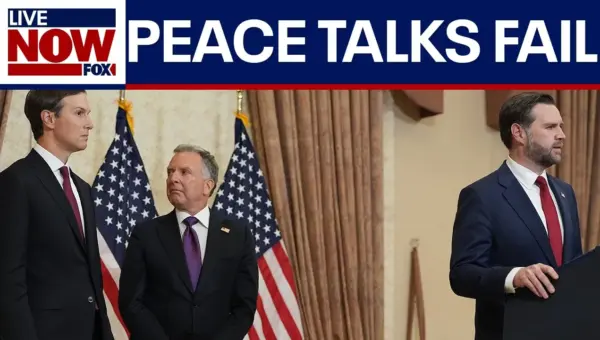
US-Iran Nuclear Talks Collapse; Ceasefire Remains Fragile
U.S. and Iran ceasefire talks in Pakistan have ended without an agreement after 21 hours, with both sides blaming each other. Key sticking points included Iran's nuclear program and its refusal to accept American terms. The fragile two-week ceasefire remains in place, but regional tensions are high.

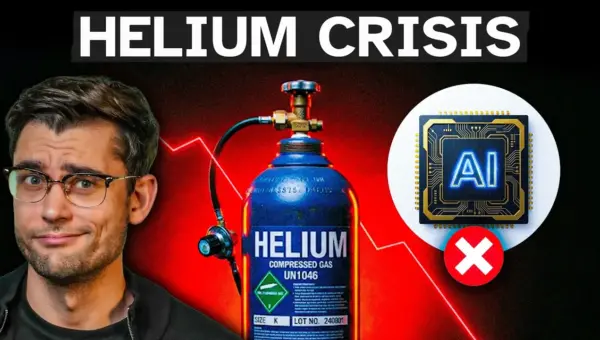
Helium Crisis Threatens AI Chip Production
A critical shortage of helium, essential for manufacturing advanced AI microchips, is threatening the global artificial intelligence boom. Geopolitical events and supply chain disruptions have severely impacted helium availability, leading to fears of production halts and a potential repricing of tech valuations.

US-Iran Peace Talks Collapse Amid Nuclear Standoff
High-level peace talks between the United States and Iran have collapsed, with Vice President J.D. Vance announcing no agreement was reached after 21 hours of discussions. The primary sticking point was Iran's nuclear ambitions, with the U.S. seeking a clear commitment against developing nuclear weapons. Despite the failure, the historic nature of the meeting and the continuation of a fragile ceasefire offer a sliver of hope for future diplomacy.