US-Iran Nuclear Talks Collapse; Ceasefire Remains Fragile
U.S. and Iran ceasefire talks in Pakistan have ended without an agreement after 21 hours, with both sides blaming each other. Key sticking points included Iran's nuclear program and its refusal to accept American terms. The fragile two-week ceasefire remains in place, but regional tensions are high.

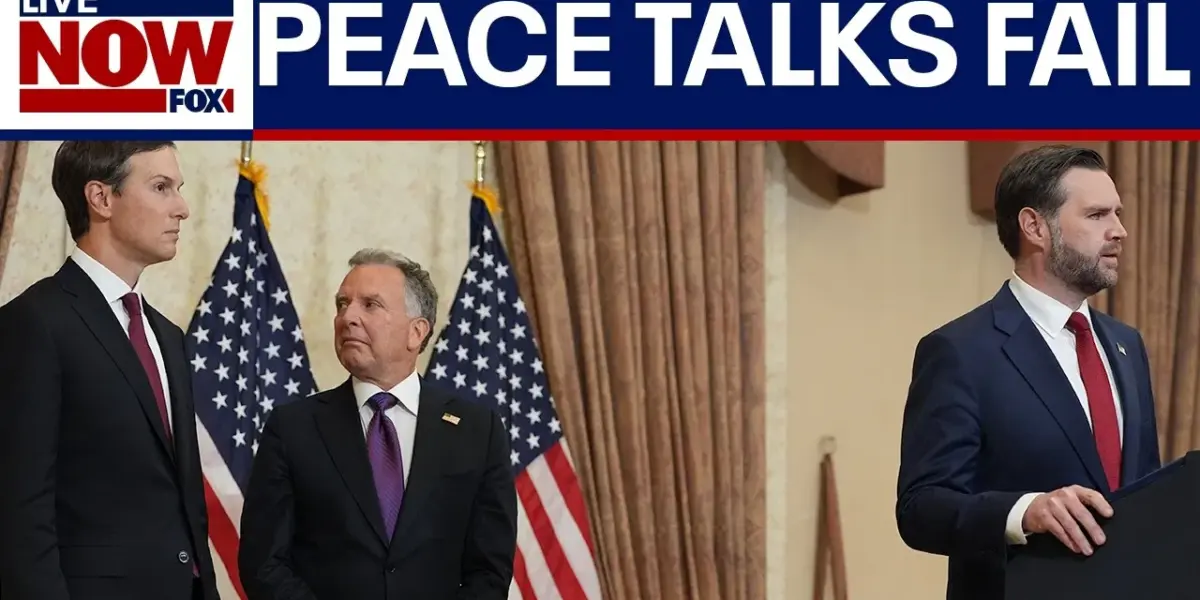
US-Iran Ceasefire Talks End Without Deal
Negotiations between the United States and Iran aimed at securing a ceasefire have concluded after 21 hours in Islamabad, Pakistan, without reaching an agreement. U.S. officials blamed Iran’s refusal to commit to abandoning its nuclear weapons program for the breakdown. The Iranian foreign ministry, however, stated that a gap in opinions on several key issues caused the talks to collapse.
Vice President JD Vance, who led the U.S. delegation, expressed disappointment, stating, “The bad news is that we have not reached an agreement. And I think that’s bad news for Iran much more than it’s bad news for the United States of America.” He emphasized that the U.S. presented clear “red lines” and terms that Iran ultimately refused to accept. The core American demand was for Iran to provide an “affirmative commitment” to not seek nuclear weapons or the means to develop them quickly.
Iranian officials countered by saying the U.S. needed to decide if it could be trusted. Neither side provided specifics on what would happen when the current 14-day ceasefire expires on April 22nd. Pakistani mediators urged all parties to maintain the existing truce.
Strait of Hormuz Activity Amidst Tensions
Amidst the stalled diplomatic efforts, U.S. Navy destroyers transited the Strait of Hormuz. The U.S. military stated this was part of mine-clearing preparations, a measure not seen since the conflict began. Iran, however, denied any involvement in such activities.
The Strait of Hormuz is a critical chokepoint for global oil shipments, and disruptions there have significant economic implications. Experts suggest Iran views control over this waterway as its primary leverage, potentially seeking to delay discussions on its nuclear program to focus on gaining sanctions relief.
Broader Regional Conflicts and Negotiations
The breakdown in U.S.-Iran talks occurs as other regional tensions persist. In Lebanon, negotiations between Israel and Lebanon are scheduled to begin next week in Washington. This follows recent Israeli military strikes targeting what they described as Hezbollah infrastructure sites across Lebanon, which resulted in hundreds of casualties.
Israeli Prime Minister Benjamin Netanyahu approved direct talks, while the Lebanese president confirmed the negotiations are expected to start on Tuesday. The situation highlights the complex and interconnected nature of conflicts in the Middle East.
Analysis of Iran’s Stance and Internal Dynamics
Jonathan Sier, an Iran program research analyst at the Foundation for the Defense of Democracies, provided insight into Iran’s negotiating strategy and internal dynamics. He noted that the Iranian regime tends to become more inflexible when it feels cornered, making concessions less likely.
“Compromise to them signals weakness,” Sier explained. “I think the more they realize that Washington has an appetite to conclude this, they’re going to exploit that leverage to the best of their ability.”
Sier also touched upon the role of the Iranian population in these calculations. He argued that internal unrest within Iran represents a significant threat to the regime, more so than external military actions. The nuclear program, he added, costs billions and does not benefit the average Iranian, who struggles with issues like power outages. This suggests that the regime’s focus on its nuclear ambitions does not align with the interests of its people.
Concerns Over International Support for Iran
The possibility of international support for Iran, particularly from China, was also discussed. President Trump issued a stern warning, stating that China would face “big problems” if it supplied weapons to Iran. Sier noted that while an international arms embargo exists, regimes often operate in a gray area, potentially supplying missile parts or technology rather than complete systems.
He suggested that the U.S. might need to consider sanctioning Chinese financial institutions if Beijing continues to engage with Iran. This highlights the potential for further diplomatic and economic pressure on nations supporting Iran’s activities.
A Fragile Ceasefire and Uncertain Future
As U.S. officials depart Pakistan, the current ceasefire remains highly fragile. Sier described it as a “fragile truce,” noting the build-up of military assets in the region and concerns among Israel and Gulf allies about Iran’s continued missile advancements.
The path forward appears uncertain, with a potential for renewed escalation. Sier suggested that a lasting solution might involve addressing the internal grievances of the Iranian people, arguing that this poses the most significant existential threat to the regime. The international community will be watching closely to see if diplomatic efforts can be revived or if regional tensions will continue to rise.
Source: U.S. and Iran end ceasefire talks without agreement, blaming each other (YouTube)

Related Articles


US-Iran Peace Talks Collapse Amid Nuclear Standoff
High-level peace talks between the United States and Iran have collapsed, with Vice President J.D. Vance announcing no agreement was reached after 21 hours of discussions. The primary sticking point was Iran's nuclear ambitions, with the U.S. seeking a clear commitment against developing nuclear weapons. Despite the failure, the historic nature of the meeting and the continuation of a fragile ceasefire offer a sliver of hope for future diplomacy.

US-Iran Nuclear Talks Collapse, Raising Regional Tensions
High-level U.S.-Iran nuclear talks have collapsed due to significant differences on key issues, leaving diplomatic channels strained. Both sides remain prepared for military action, while the security of the Strait of Hormuz remains a critical concern for global energy markets.

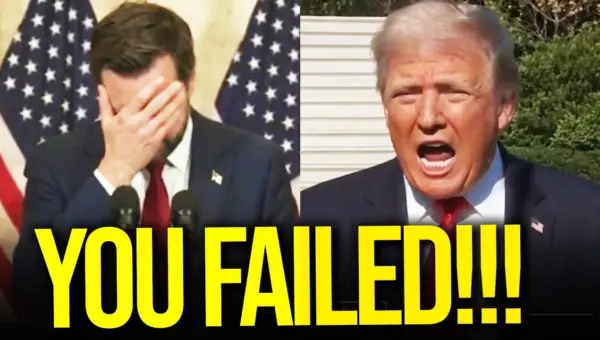
Vance’s Diplomatic Failure Fuels War Fears
High-stakes talks between the U.S. and Iran have collapsed, leaving Vice President JD Vance admitting no progress was made. The failure to secure a commitment from Iran not to pursue nuclear weapons highlights strategic leverage points and raises concerns about escalating conflict and financial costs.