US, Iran Meet for Peace Talks Amid Regional Tensions
Vice President JD Vance leads U.S. talks with Iran in Pakistan, focusing on nuclear capabilities and the Strait of Hormuz. Held amid regional tensions and deep distrust, the negotiations face significant hurdles, including Iran's demands for asset release and a Lebanon cease-fire. The outcome could reshape regional stability and global energy markets.

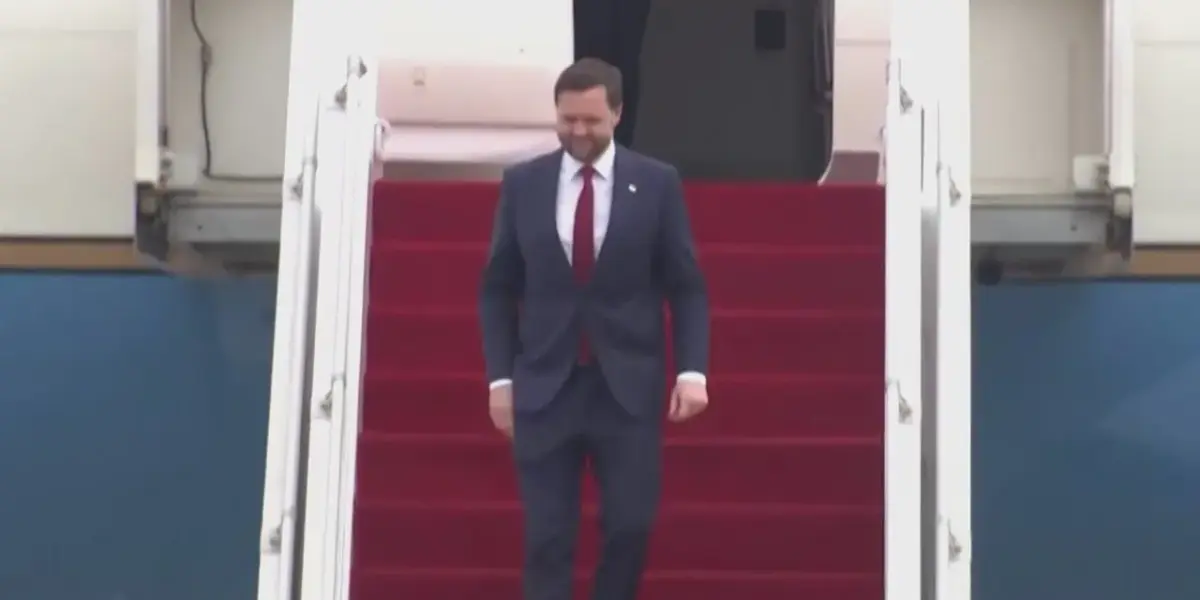
US, Iran Meet for Peace Talks Amid Regional Tensions
Vice President JD Vance arrived in Islamabad, Pakistan, this week for crucial peace talks with Iran. The United States and Iran, nations with a long history of distrust, are meeting to discuss lasting peace. Key issues on the agenda include Iran’s nuclear capabilities and the permanent reopening of the Strait of Hormuz, a vital shipping route. President Trump has stated that the outcome of these negotiations will reveal Iran’s true intentions regarding peace.
High Stakes Negotiations in Pakistan
Vice President Vance leads the U.S. delegation, which includes trusted negotiators like Jared Kushner and Special Envoy Steve Witkoff. Their goal is to secure a deal that reopens the Strait of Hormuz and stops Iran’s pursuit of nuclear weapons. Iran’s delegation, including the Speaker of Parliament and officials from the Foreign Ministry, is also in Islamabad. However, Iran’s Parliament Speaker has set a firm condition: demands must be met before talks can proceed. These demands include implementing a cease-fire in Lebanon and releasing Iran’s blocked assets. Without these steps, Iran states negotiations will not move forward.
Regional Unrest Clouds Peace Efforts
The talks are taking place against a backdrop of significant regional tension. Israeli forces continue to strike Hezbollah sites in Lebanon. U.S. and Israeli officials consider this a separate issue from the broader regional cease-fire. For many in the region, especially in Israel, optimism about the current cease-fire holding is low. People there often expect the fighting to resume quickly, possibly within days. This situation in Lebanon is a major factor influencing the peace talks. It is important to note that Israel and Lebanon do not have diplomatic ties and have never signed a peace treaty. They are scheduled to hold direct negotiations this week, aiming to disarm Hezbollah. However, there is no sign that Israel will step back from this conflict.
Deep Distrust and Uncertain Outcomes
A general feeling of deep distrust between the U.S. and Iran permeates the region. Many people doubt that a meaningful deal will be reached. However, history shows that unexpected developments can occur. For instance, a previous conflict ended abruptly after a social media post from President Trump. Some observers are preparing for another surprise outcome from the negotiations in Pakistan. The situation remains tense, with analysts watching closely from Washington to the Middle East for any signs of progress or escalation.
Global Impact
These talks are significant for global stability. The Strait of Hormuz is a critical chokepoint for global oil supplies. Any disruption there can affect energy prices worldwide. Iran’s nuclear program is also a major concern for international security. A diplomatic breakthrough could reduce tensions in the Middle East, a region vital to the global economy. Conversely, failed talks could lead to increased conflict, further instability, and wider economic repercussions. The outcome will shape the future of U.S.-Iran relations and regional security for years to come.
Historical Context
U.S.-Iran relations have been strained since the 1979 Iranian Revolution. Decades of sanctions, proxy conflicts, and nuclear disagreements have defined their interactions. The current talks echo past attempts at diplomacy, like the Joint Comprehensive Plan of Action (JCPOA) nuclear deal. That deal, signed in 2015, aimed to limit Iran’s nuclear program in exchange for sanctions relief. However, the U.S. withdrew from the JCPOA in 2018, leading to renewed tensions and increased sanctions. The current negotiations are an attempt to reset this complex relationship and address long-standing security concerns.
Economic Considerations
Economic factors play a huge role in these discussions. Iran has faced severe economic pressure due to U.S. sanctions, impacting its ability to fund its programs and trade internationally. The release of Iran’s blocked assets is a key demand, as it would provide much-needed financial relief. For the U.S., ensuring the free flow of oil through the Strait of Hormuz is an economic imperative. Any agreement that secures this passage and curbs Iran’s nuclear ambitions could lead to greater economic stability in the energy markets.
Future Scenarios
Several outcomes are possible. One scenario is a successful diplomatic agreement that addresses both nuclear concerns and regional security. This would likely lead to de-escalation and improved economic conditions. Another possibility is a breakdown in talks, potentially leading to renewed military action or increased sanctions. A third scenario involves a limited agreement that provides temporary relief but doesn’t resolve fundamental issues, leaving the region in a state of fragile stability. Given the deep-seated mistrust and complex demands, a quick and comprehensive resolution appears unlikely, but the possibility of a surprise deal, as seen in the past, cannot be dismissed.
Source: Vance arrives in Pakistan for Iranian peace talks | Morning in America (YouTube)

Related Articles

Iran Demands Trump’s Surrender Amidst Diplomatic Showdown
Negotiations between the U.S. and Iran in Islamabad reveal a stark contrast in delegation strength, with Iran presenting a high-level team while the U.S. sent less senior officials. Iran's assertive stance and 10-point framework, reportedly accepted as a basis for talks, suggest a potential diplomatic victory for Tehran, raising questions about U.S. seriousness and regional power dynamics.


JD Vance Leads Pakistan Peace Talks with Iran
U.S. Vice President JD Vance is leading critical peace talks with Iran in Pakistan, aiming to de-escalate regional tensions. Key demands include Iran's nuclear program, regional proxy activities, and the opening of the Strait of Hormuz. The negotiations highlight significant differences between U.S. and Iranian objectives.
Trump Promises Strait of Hormuz Will Reopen Soon
Former President Donald Trump predicts the Strait of Hormuz will reopen soon, linking it to the absence of nuclear weapons. This crucial global oil transit point's stability impacts economies worldwide. Trump expressed confidence in U.S. military strength to ensure passage.