US, Iran Hold Landmark Peace Talks in Pakistan
Top U.S. and Iranian delegations are holding landmark peace talks in Islamabad, Pakistan, mediated by the Pakistani government. This marks the first direct meeting between the two nations in nearly 50 years, with Vice President J.D. Vance leading the U.S. side.

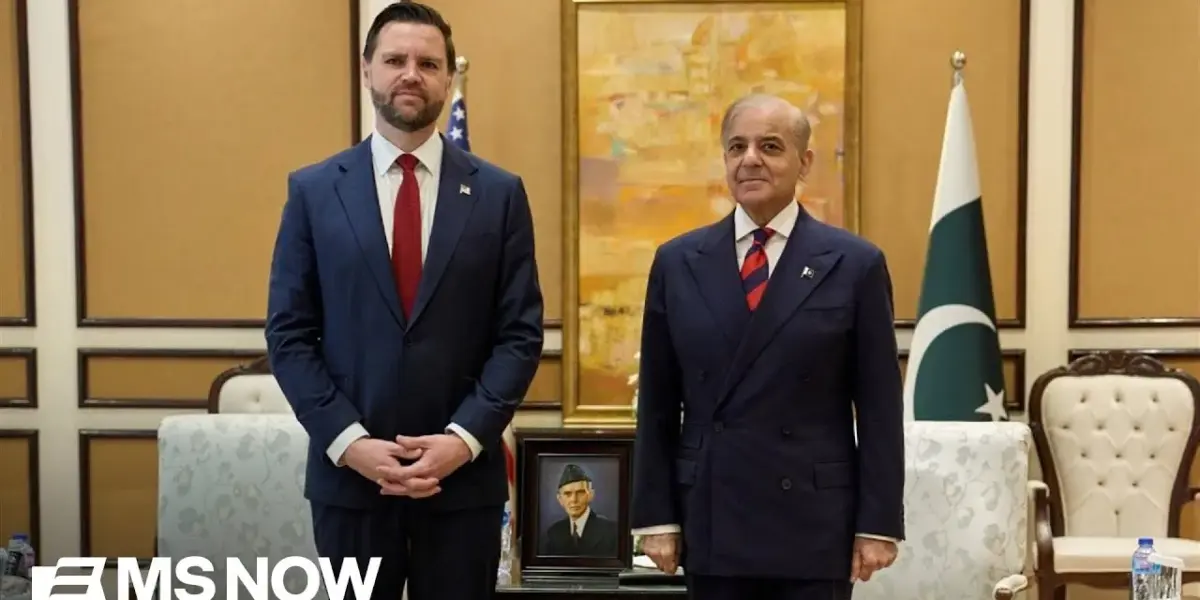
Historic Meetings Convene in Islamabad to Discuss U.S.-Iran Conflict
High-stakes peace talks between the United States and Iran are currently underway in Pakistan’s capital, Islamabad. This marks a significant diplomatic effort, with delegations from both nations meeting face-to-face for the first time in nearly 50 years. Pakistan is acting as the mediator, hosting the crucial discussions aimed at de-escalating the ongoing conflict.
Key Players Gather for Direct Negotiations
The U.S. delegation is led by Vice President J.D. Vance, a notable figure given his documented opposition to the war. The Iranian side is represented by their parliamentary speaker and foreign minister. Pakistan’s Prime Minister and General Asim Muneer are facilitating the talks. The meetings began with separate discussions between each delegation and Pakistani officials, followed by a direct, in-person session between the U.S. and Iranian representatives.
Vice President Vance Takes Center Stage
Vice President Vance’s leadership in these negotiations is particularly noteworthy. White House officials confirm that Vance has privately expressed strong dissent against the war with Iran. This stance has reportedly impacted his influence within the administration, with some officials noting his national security team has grown “extremely weary” and that he has lost some “clout” due to his opposition. However, this internal dissent may position him as an “honest broker” in the eyes of the Iranian regime, as he genuinely desires an end to the conflict.
Conversely, some officials believe Vance’s anti-war stance could potentially soften President Trump’s aggressive tone and undermine remaining leverage in the negotiations. President Trump himself acknowledged the significance of Vance’s role, wishing him luck and stating his expectation that the talks would proceed quickly, with the U.S. prepared to open the Strait of Hormuz regardless of Iran’s cooperation.
Iran’s Position and Demands
From the Iranian perspective, the talks are reportedly going well, with a sense that America is listening. The Iranian delegation, comprising around 70 members, appears confident, believing they hold the upper hand. They cite their control over the Strait of Hormuz and their peace proposal as key reasons for the U.S. seeking dialogue. Iran has brought experts to discuss sanctions relief and their nuclear enrichment program, signaling seriousness about addressing these critical issues.
According to former Deputy Assistant Secretary of State Joel Rubin, Iranian negotiators are expected to be hardline and may exhibit a degree of arrogance, potentially misreading the situation as a victory. He emphasizes that Iran should not overplay its hand, as Vance represents their primary ally within the White House for diplomatic engagement.
The Strait of Hormuz: A Crucial Point of Contention
The control of the Strait of Hormuz is a central issue. Iran has been effective in disrupting global trade through this vital waterway, which is a primary reason for the U.S. seeking these talks. However, Iran has also suffered significant military setbacks over the six weeks of conflict. This direct engagement is a crucial step, as Iran had previously refused face-to-face meetings, even during the Biden administration’s efforts to revive the Iran nuclear deal.
Fragile Ceasefire and Potential Outcomes
The negotiations are taking place under the umbrella of a fragile two-week ceasefire. The White House plan, as stated by President Trump, is to resume intense military action if the talks fail and Iran does not meet U.S. demands. Administration officials, however, are focused on the progression of talks, understanding that a permanent peace deal is unlikely to emerge from these initial discussions.
Multiple conversations will likely be needed to address complex issues such as sanctions, nuclear programs, and the future of the Strait of Hormuz. The hope is that these talks will establish clear terms of reference and a framework for future negotiations, resulting in a written agreement that both sides understand and adhere to. The current confusion surrounding past statements highlights the need for clear, unambiguous outcomes from these crucial dialogues.
Looking Ahead
As the world watches, the coming hours and days will reveal whether these pivotal meetings can pave the way for lasting peace or if the conflict will escalate. The willingness of both sides to engage, particularly the historic nature of the U.S.-Iran direct talks, offers a glimmer of hope amidst the ongoing tensions.
Source: Pivotal trilateral meetings underway in Pakistan for U.S., Iran peace talks (YouTube)

Related Articles

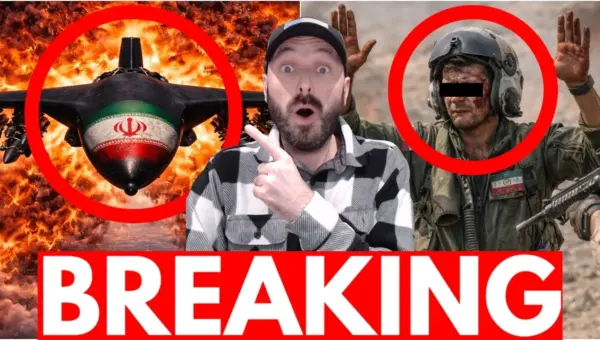
Iran Scrambles Drones, U.S. Warships Face Threats
Iran allegedly scrambled drones at U.S. warships in the Strait of Hormuz amidst tense negotiations. Reports also hint at potentially captured Iranian pilots in U.S. custody, adding another layer of intrigue to the volatile regional dynamics.

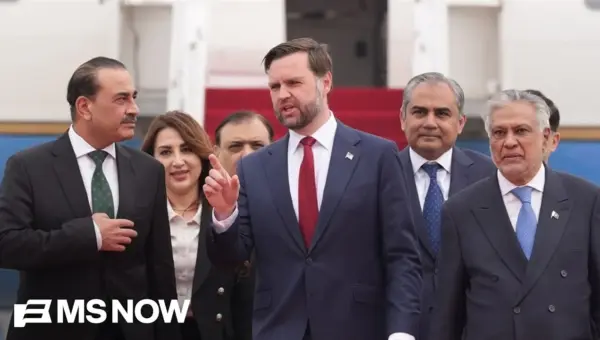
Iran Nuclear Deal Expert Warns Against Quick Deal Expectations
Robert Malley, a key negotiator of the 2015 Iran nuclear deal, warns against expecting a quick or easy resolution in current U.S.-Iran peace talks. He stresses that any agreement will require compromise from both sides, not surrender. Malley suggests the current talks may focus on immediate steps like reopening the Strait of Hormuz and sanctions relief, laying groundwork for future, more comprehensive discussions.

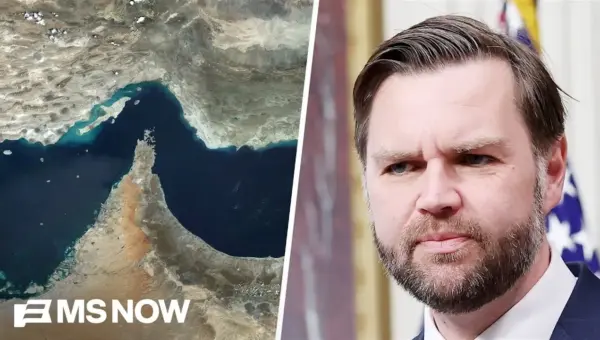
US Minesweepers Clear Strait of Hormuz Amid Peace Talks
U.S. forces have commenced mine-clearing operations in the Strait of Hormuz, a critical waterway, amid high-level peace talks with Iran in Pakistan. The operation, seen as a positive sign, occurs while diplomats discuss Iran's nuclear program and regional stability. Experts weigh the risks, Iran's strategic leverage, and the complex interplay of international relations, including Israel's ongoing military actions.