US, Iran Escalate Mideast Conflict Amidst Diplomatic Stalemate
US and Iran are trading new strikes as regional conflict escalates, with a particular focus on the volatile situation in Iraq. Pro-Iranian demonstrators attempted to storm the U.S. Embassy in Baghdad, highlighting the growing instability. Diplomatic efforts to broker peace face significant challenges amidst the escalating hostilities.

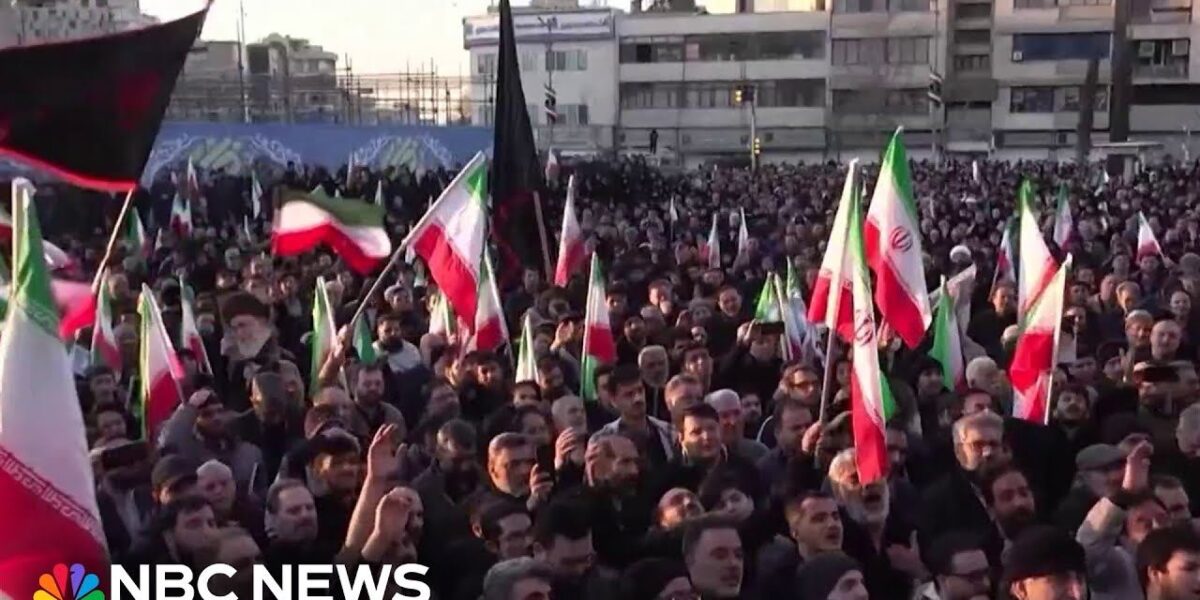
Regional Tensions Flare as US and Iran Engage in New Strikes
The Middle East is witnessing a dangerous escalation of conflict as the United States and Iran engage in a series of retaliatory strikes, raising fears of a wider regional conflagration. Despite efforts by international actors, including Oman, to broker a peace deal between Tehran and Washington, the situation on the ground is rapidly deteriorating, with significant developments unfolding in Iraq.
Pro-Iranian Demonstrators Target US Embassy in Baghdad
A critical point of concern is the situation in Iraq, a nation sharing a border with Iran and heavily influenced by its government. Today, large crowds of pro-Iranian demonstrators attempted to breach the heavily fortified Green Zone in Baghdad, with the explicit aim of swarming the U.S. Embassy. This aggressive action underscores the volatile political climate and the tangible threat posed to American interests and personnel in the region.
The protesters’ move towards the U.S. Embassy signifies a direct challenge to American presence and influence in Iraq. The Green Zone, a highly secured area in the Iraqi capital, houses numerous foreign embassies and government buildings, making any breach a serious security incident. The presence of pro-Iranian demonstrators highlights the complex geopolitical landscape, where Iranian proxies and allies exert considerable pressure on the Iraqi government and its international partners.
Broader Regional Instability and Potential for Escalation
The events in Iraq are symptomatic of a broader pattern of escalating conflict across the Middle East. The reporter on the ground in Tel Aviv noted the potential for these localized incidents to spiral into a much larger, more destructive confrontation. The intertwined nature of regional alliances, proxy warfare, and direct state-level confrontations means that actions taken by one party can have cascading effects throughout the area.
This latest round of escalation follows a period of heightened tensions, with both the U.S. and Iran accusing each other of provocative actions and destabilizing activities. While the specific details of the new strikes were not provided in the transcript, the context suggests a tit-for-tat exchange that is pushing the region closer to a precipice. The involvement of Iraq as a new flashpoint adds another layer of complexity, given its strategic importance and its position as a battleground for regional influence.
Diplomatic Efforts Face Uphill Battle
The transcript mentions that Oman has been attempting to broker a peace deal between Iran and the United States. However, the current surge in military actions suggests that these diplomatic initiatives are struggling to gain traction amidst the escalating hostilities. The deep-seated mistrust and the competing strategic interests of the U.S. and Iran present significant hurdles to any meaningful de-escalation or resolution.
The international community is watching closely, concerned about the humanitarian consequences and the global economic impact of a wider conflict. The potential for disruptions to oil supplies, increased refugee flows, and the further destabilization of already fragile states looms large. The challenge for diplomats remains immense: to find a pathway back from the brink while addressing the underlying grievances and security concerns of all parties involved.
What to Watch Next
Moving forward, all eyes will be on the U.S. and Iranian responses to the ongoing incidents, particularly the actions taken in Iraq. The effectiveness of any renewed diplomatic efforts, potentially spearheaded by countries like Oman, will be crucial. Observers will also be monitoring the security posture of U.S. forces and allies in the region, as well as the internal political dynamics within Iran and Iraq that might influence future actions. The delicate balance of power in the Middle East is being tested, and the coming days and weeks will be critical in determining whether the region can avert a full-blown war.
Source: U.S., Israel and Iran trade new strikes as conflict escalates (YouTube)

Related Articles


US Strikes Iran: 3 Troops Dead, President Warns of More
Three U.S. troops have been killed in new missile strikes against Iran, prompting President Trump to warn of further casualties. The operation, "Epic Fury," has led to Iranian retaliation, regional instability, and significant global economic and travel disruptions. Iran is also facing a leadership vacuum following the death of its Supreme Leader.
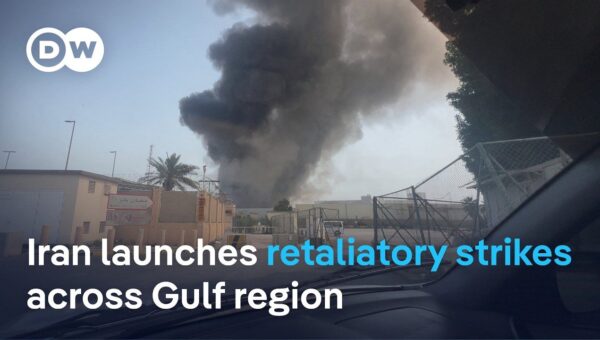
Iran Strikes Neighbors: Gulf Relations Suffer Amid Retaliation
Iran's retaliatory strikes have reverberated across the Gulf, damaging relations with neighboring countries and impacting civilian infrastructure. Experts warn that these actions jeopardize fragile diplomatic progress and violate the sovereignty of U.S. allies in the region.

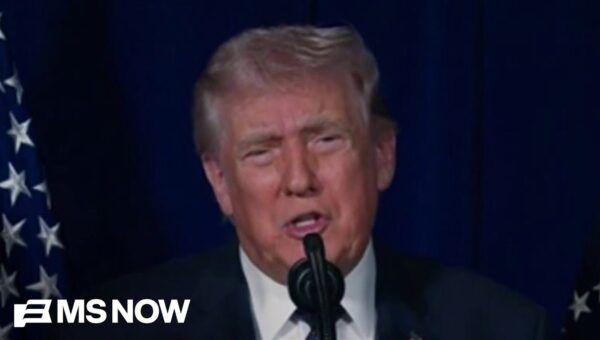
Trump Addresses Iranians Amid Escalating Regional Conflict
President Trump addressed the citizens of Iran directly amidst escalating conflict, urging them to seize the moment for freedom following the death of Supreme Leader Ayatollah Ali Khamenei. The move comes as the region grapples with intense airstrikes, retaliatory attacks, and the first U.S. casualties of the ongoing military campaign.