US-Iran Dealmaking Falters Amidst Escalation and Retaliation
The United States and Iran are engaged in a high-stakes diplomatic dance, marked by conflicting statements on negotiations and retaliatory actions impacting global oil prices. Analysts describe the situation as a strategic 'poker game' with significant economic and military implications.

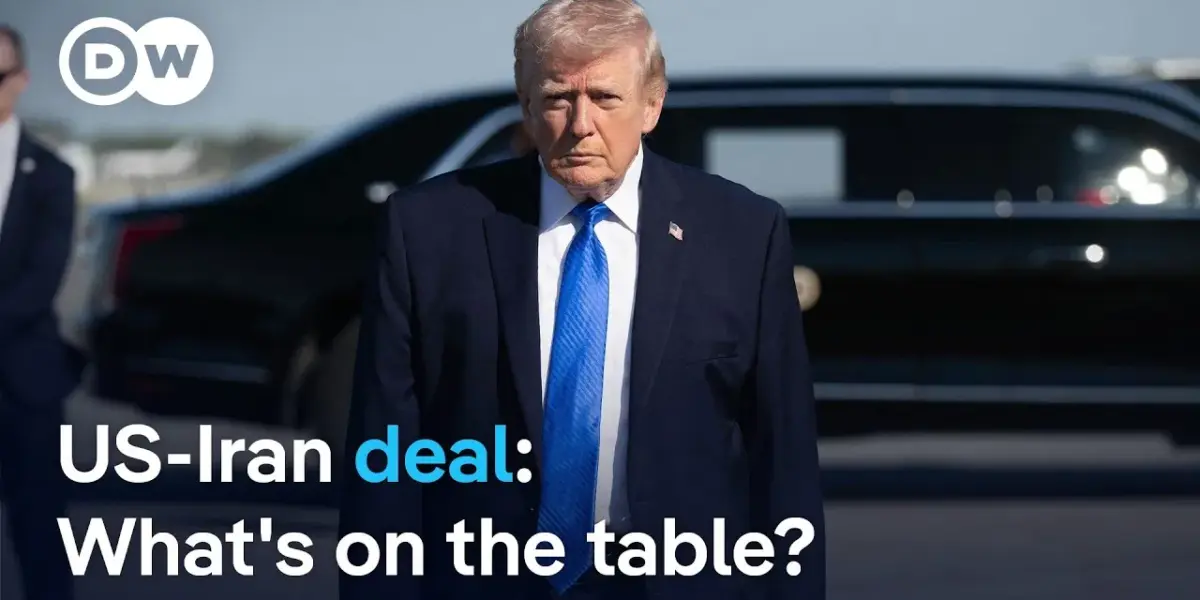
Tensions Flare as US and Iran Engage in High-Stakes Diplomacy
The United States and Iran are locked in a tense diplomatic standoff, marked by threats, retaliatory actions, and conflicting accounts of negotiations. President Donald Trump’s initial threat to target Iran’s power plants if the Strait of Hormuz was not reopened has been put on hold, following Iran’s move to close a key oil route. This action has sent energy prices soaring, demonstrating the significant impact of regional instability on global markets.
Conflicting Narratives on Negotiations
President Trump announced via social media that “good and productive conversations” had taken place and that threatened strikes were postponed. However, Iran has denied that any talks have occurred. This divergence in statements highlights the complex and often opaque nature of international diplomacy, particularly between adversaries.
“We are looking at the different players involved in this poker game, and each one is trying to its best of capacities to first take advantage of the strong cards in its possession and at the same time to try to take leverage on the weak cards on the hands of the rivalry.”
Avi Melameed, Independent Intelligence Analyst
Avi Melameed, an independent intelligence analyst, described the situation as a “poker game,” where each side strategically uses its strong cards while seeking leverage over the opponent’s weaknesses. He noted that both parties aim to maintain maneuvering room, allowing for denial or strategic repositioning.
Iran’s Strategic Leverage
Iran’s ability to influence global oil prices by threatening the Strait of Hormuz is considered a significant strategic advantage. Melameed identified other strong cards for Iran: a clear objective to remain in power, a high endurance capacity due to a perceived disregard for its population’s well-being compared to neighboring states, and the deliberate targeting of energy infrastructure in Arab Gulf monarchies to create global economic pressure.
The analyst also suggested that the Iranian regime’s objective is to stay in power, rather than face complete obliteration. He anticipates a diplomatic resolution, stating, “in the end of the day, we are heading towards some sort of like a diplomatic backtrack diplomacy that have to do in the end of the day with ending this crisis this conflict with some sort of like a diplomatic agreement.”
Regional Instability and Global Economic Impact
The conflict’s reach extends beyond Iran and the United States, impacting Israel and Arab Gulf monarchies. These regional powers are largely aligned with decisions made by the White House. The blockage of the Strait of Hormuz and the subsequent rise in oil prices have had a ripple effect worldwide, affecting consumers and economies across Europe, Africa, and Asia. Reports indicate drivers limiting travel, businesses struggling with supply costs, and governments implementing measures to manage fuel supplies.
The International Energy Agency has warned that the current energy crisis could rival that of the 1970s. While some experts believe the market disruption is currently less severe than in the 1970s due to the oil market’s larger size and the shorter duration of the immediate crisis, the potential for escalation remains. Concerns about damage to production facilities, particularly Qatar’s LNG capacity, highlight the vulnerability of global energy supplies.
Economic Costs and Military Readiness
The financial cost of the conflict for the U.S. military is substantial, estimated at over $20 billion to date, with daily operational costs ranging from $400 million to $500 million. Beyond direct military spending, there are broader economic costs impacting both the global and U.S. economies. The conflict has also raised questions about U.S. military readiness in other theaters, particularly the Pacific, as assets have been redeployed to the Middle East.
The use of inexpensive drones and missiles by Iran against more costly interceptor systems presents an asymmetric challenge. While the U.S. possesses countermeasures, the need for more expensive munitions to counter cheaper threats strains resources and raises questions about long-term strategy and supply chains.
Russia Emerges as a Beneficiary
Amidst the turmoil, Russia appears to be a significant beneficiary. As sanctions have tightened and oil prices have risen due to the conflict, Russia can now redirect oil shipments to countries like China and India with greater ease, easing budget pressures and bolstering its position in the global energy market.
Looking Ahead: A Fragile Equilibrium?
The situation remains fluid, with the potential for further escalation or de-escalation. The coming weeks will be crucial in determining whether a stable diplomatic agreement can be reached, offering a face-saving off-ramp for both sides. Key factors to watch include the outcomes of any ongoing, albeit disputed, negotiations, the stability of the Iranian regime amidst internal and external pressures, and the broader impact on global energy markets and international relations.
Source: How is dealmaking with Iran working out for the US so far? | DW News (YouTube)

Related Articles


Stocks Ignore War Risks, Focus on “Taco Moments”
Stock markets appear to be overlooking the severe supply chain risks stemming from the Iran conflict, focusing instead on potential diplomatic de-escalations. While the S&P 500 shows resilience, bond and commodity markets signal deep concern over disruptions to critical resources like LNG, helium, and fertilizers.

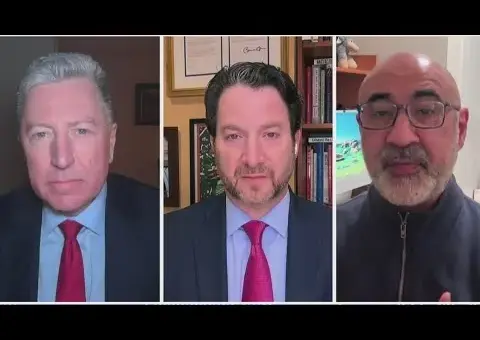
U.S. Iran Tensions Rise Amid Shifting Alliances
Rising tensions between the U.S. and Iran are creating a volatile geopolitical situation. With conflicting signals on de-escalation and potential shifts in alliances like NATO and U.S.-Israel relations, the path forward remains uncertain. The global economy and regional stability hang in the balance.


Iran Targets US With Cyberattacks, Escalating Digital Warfare
Iran is increasingly using cyberattacks to challenge the U.S., as seen in a recent hack of the FBI director's account. Experts say this is a strategic shift due to Iran's limitations in conventional warfare. The U.S. needs to strengthen its digital defenses, focusing on encryption and cloud computing, rather than solely relying on traditional security measures.