US-Iran Crisis: Diplomacy, Not War, Offers Path Forward
Experts are urging the U.S. to pursue diplomatic solutions in its dealings with Iran, warning that military action alone will not resolve the crisis. Analyst Kareem Sadjapour highlights the Iranian regime's consistent ideology and strategy, contrasting it with President Trump's shifting stance. The Strait of Hormuz remains a critical chokepoint, requiring international cooperation for its security.

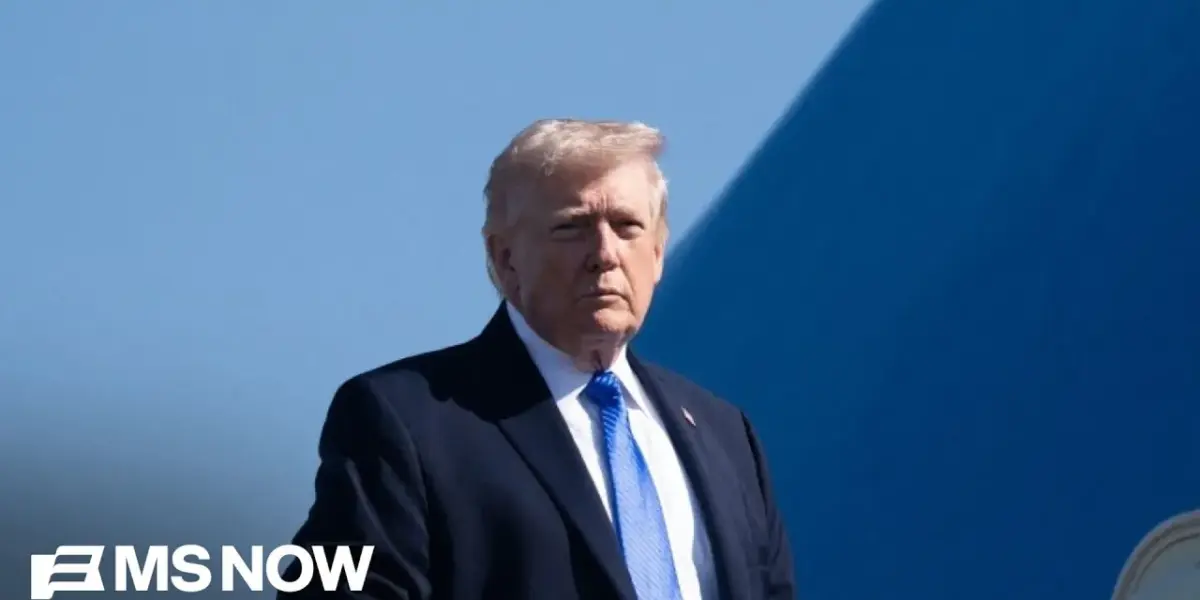
US-Iran Tensions Escalate, Experts Urge Diplomatic Solutions
Amidst escalating tensions between the United States and Iran, a prominent foreign policy expert is urging a shift towards diplomatic solutions, warning that military action alone will not resolve the complex issues at play. The ongoing crisis, marked by threats and counter-threats, highlights a fundamental misunderstanding of the Iranian regime and the region’s dynamics, according to analyst Kareem Sadjapour, whose insights were shared by journalist David Ignatius.
Trump’s Shifting Stance vs. Iran’s Unwavering Ideology
Sadjapour points out that the core of the current conflict isn’t solely between the U.S. and Iran, but also involves internal deliberations within the Trump administration. President Trump has reportedly vacillated between threatening to bomb Iran into the “stone age” and considering withdrawal from the escalating situation. In stark contrast, Iran’s leadership remains consistent in its ideology and strategy, which Sadjapour describes as centered on “chaos” and “regime survival.”
The regime’s commitment to its revolutionary principles, which include resistance against America and the rejection of Israel, acts as both a unifying force and a hindrance to national progress. “The country will never advance without abandoning the ideology,” Sadjapour notes, highlighting the paradox that the regime believes it cannot survive without adhering to these very principles.
The Paradox of Compromise Under Pressure
While the Iranian regime may compromise under severe external pressure, Sadjapour warns that such pressure and isolation have also helped entrench its power. He draws lessons from past interventions in Iraq and Afghanistan, emphasizing that the U.S. cannot dictate political outcomes in other nations. “No outside power can forge a new national consensus for Iranians,” he states, suggesting that internal change is necessary for any lasting resolution.
The Strait of Hormuz: A Critical Chokepoint
The most immediate and urgent priority, according to Sadjapour, is not Iran’s nuclear program but the security of the Strait of Hormuz. Iran is attempting to assert control over this vital waterway, turning it into a strategic asset. This situation presents a problem that “should have a diplomatic solution,” as European, Asian, and Arab partners all have a vested interest in keeping the strait open for global trade.
However, Sadjapour believes the Iranian regime, due to its ideological and structural constraints, is incapable of reaching such a diplomatic accord. He predicts that as long as the current Islamic Republic rules Iran, the inevitable outcome will be a return to a Cold War-like standoff that predates the current conflict and will likely outlast it.
Judging War by What is Built, Not Destroyed
David Ignatius emphasizes a crucial point often overlooked in times of conflict: wars, like revolutions, are ultimately judged by the political orders they build, not just by what they destroy. He suggests that President Trump may be measuring the current conflict by its destructive capacity, but history will likely assess its lasting impact on Iran, the Middle East, and the global order.
Ignatius and Sadjapour agree that the effectiveness of military actions is only one part of the equation. While U.S. military capabilities are undeniable, as demonstrated by a recent special forces rescue mission, the question of what will be left behind after any military engagement remains open-ended. The military’s ability to execute complex operations is impressive, but it has also shown that Iran can withstand significant pressure, particularly concerning its strategic assets like the Strait of Hormuz.
The Dangers of Escalation and the Need for Allies
Threats of widespread destruction, such as targeting power plants and bridges, could have devastating long-term consequences. Ignatius expresses concern that such actions could render the Strait of Hormuz impassable for decades, creating immense ruin and rage that would make reopening it nearly impossible. He questions whether President Trump fully considers the ramifications of such potential actions.
The path forward, according to Ignatius, requires collaboration with allies to achieve a diplomatic solution. He challenges the notion that continuous military pressure will eventually force the other side to concede, arguing that the evidence in this conflict points in a different direction. The use of inflammatory language, he suggests, not only alienates potential partners but also energizes adversaries.
Language and its Impact on Adversaries
Drawing from his own experience as a former prisoner of war, Ignatius explains how certain rhetoric can be counterproductive. He believes that provocative language, like a recent tweet from President Trump, does not intimidate hardline jihadists or the Iranian regime. Instead, such statements can energize them and further entrench their positions, particularly those who seek martyrdom and aim to undermine the West.
This perspective is echoed by a Gulf diplomat who suggests that Trump’s approach strengthens the position of Iranian hardliners. The internal situation in Iran also remains a concern, with reports of internet blackouts hindering protests and preventing Iranians from communicating with relatives abroad. Those who have fled the country describe loved ones watching their nation face destruction while simultaneously hearing threats of massive retaliation.
Looking Ahead: The Imperative of Diplomacy
As the crisis continues, the focus remains on finding a way out that stabilizes the region and achieves U.S. objectives. The experts stress that a diplomatic approach, involving allies and understanding the intricate dynamics of the Iranian regime, is the most viable path. The coming days will reveal whether a diplomatic breakthrough is possible or if the region will continue down a path of increasing danger and disruption.
Source: David Ignatius: The path out of war requires us to work with our allies toward a diplomatic solution (YouTube)

Related Articles
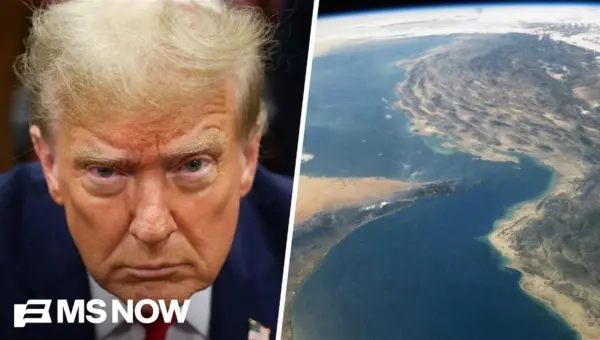
Trump’s Iran Threats Spark War Crime Fears, Military Dilemma
President Trump's fiery rhetoric threatening Iran with "mass destruction" has plunged the U.S. military into an ethical and legal quandary. As diplomatic efforts crumble, military leaders grapple with the potential for war crimes charges if they follow the president's aggressive public statements, while Iran vows severe retaliation and regional instability grows.
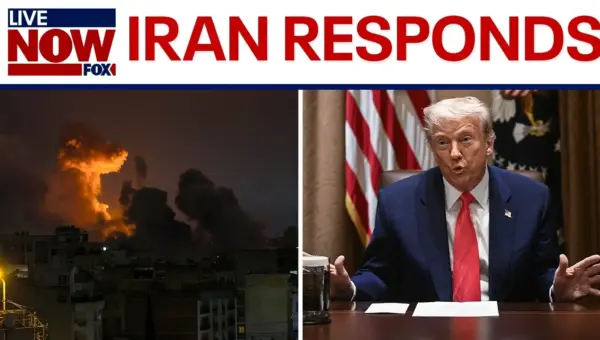
Iran Vows ‘Immediate Action’ as Trump Deadline Looms
Iran has warned of 'immediate and proportionate action' if President Trump follows through on threats to strike following a looming deadline. Tensions have escalated over the Strait of Hormuz, a vital global shipping lane, with direct diplomacy between the U.S. and Iran now severed.


Trump’s Escalation: Ground Invasion of Iran Looms After Island Strikes?
Reports of explosions on Kharg Island, occurring just before a Trump deadline, raise fears of a potential ground invasion of Iran. While unverified, these strikes could signal a drastic escalation strategy, pushing the region toward wider conflict.