US-Iran Ceasefire Holds Amid Tensions, Strait of Hormuz Key
The US and Iran have agreed to a two-week ceasefire, brokered by Pakistan, with the crucial condition that Iran reopens the Strait of Hormuz. This development impacts global oil and gas supplies, as well as food security through fertilizer transport. However, concerns remain about potential Iranian mobilization and compliance, particularly following reports of post-ceasefire missile launches.

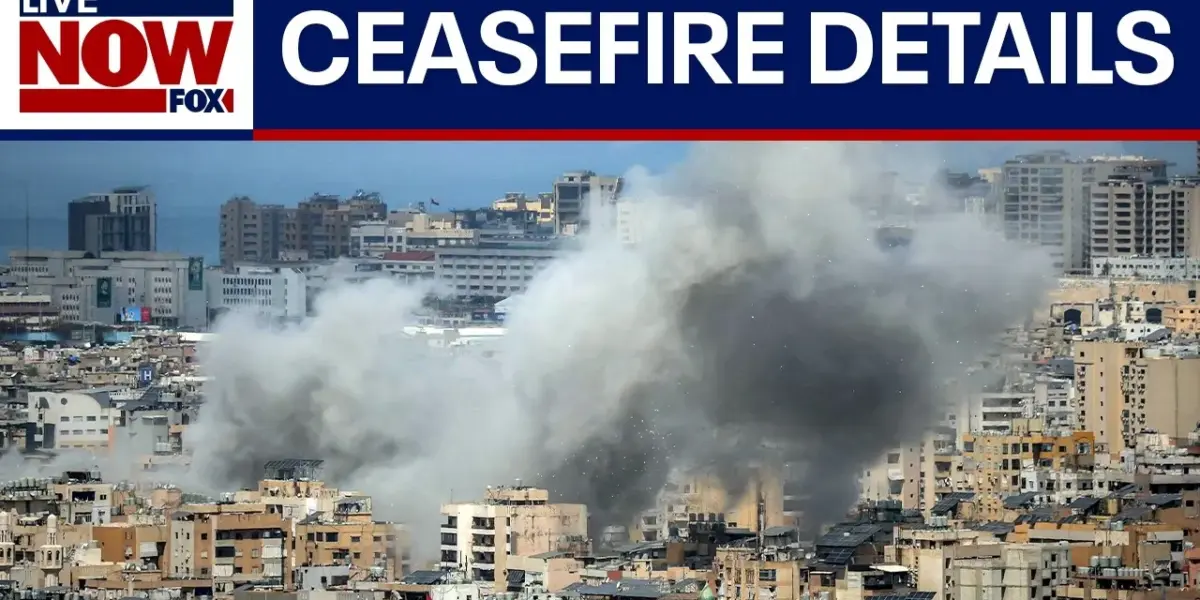
US and Iran Announce Two-Week Ceasefire
President Trump has officially announced a two-week ceasefire with Iran, a deal brokered by Pakistan. The agreement hinges on Iran reopening the Strait of Hormuz, a vital waterway for global trade. This development marks a significant shift in the ongoing tensions, offering a brief window for de-escalation and potential negotiation.
Strait of Hormuz: The Critical Condition
Retired Marine intelligence officer Hal Kemper highlighted the immediate importance of the Strait of Hormuz. “The thing I’m going to be looking for tomorrow is I want to see if they’re going to open the Strait of Hormuz,” Kemper stated. He emphasized that this is a firm requirement for the ceasefire to hold. If the strait remains closed, the purpose of the ceasefire is called into question.
Kemper explained the complexities of reopening the strait, including the potential presence of naval mines. “Iran has to perform on that,” he said, referring to the need to demine the area. The ability for ships to pass safely will directly impact maritime insurance rates, which must drop to allow normal shipping to resume. The swiftness of these actions is crucial, given the two-week timeframe.
Global Impact: Oil, Gas, and Food Security
The reopening of the Strait of Hormuz has far-reaching implications beyond the immediate conflict. “A lot of oil, but also natural gas, which has become an increasingly important commodity,” Kemper noted. The flow of these resources is vital for the global economy.
Furthermore, the situation impacts food security. “We’re facing a food sufficiency crisis next year if we can’t get the fertilizer out there for agriculture worldwide to support it,” Kemper warned. With planting season underway, timely fertilizer delivery is essential to prevent widespread shortages.
Iran’s Negotiating Stance and Nuclear Concerns
During this ceasefire, Iran is expected to negotiate in good faith. A key area of discussion will likely be its nuclear program. “Iran’s going to have to do something big that they don’t want to do with that enriched uranium,” Kemper suggested. This could involve allowing international inspectors and relocating enriched uranium to another country.
The two-week period is seen as an opportunity to negotiate an extension or a longer-term agreement. If the Strait of Hormuz operations resume smoothly and discussions progress positively, the ceasefire could be expanded. However, compliance with the initial terms is the immediate hurdle.
The “Storm Before the Calm”: Ballistic Missile Launches
Kemper described a phenomenon in Middle East ceasefires: “You’ll often see the storm before the calm.” This refers to a surge of military actions just before a ceasefire takes effect. Reports emerged of Iran firing ballistic missiles shortly after the ceasefire began, targeting areas around Israel.
This raises questions about Iran’s command and control. “Do they really have control over their security apparatus?” Kemper questioned. The lag in communication to lower-ranking Revolutionary Guard Corps (IRGC) members, potentially due to degraded command and communications networks, could explain these post-ceasefire launches. Some speculate these actions might have been a deliberate attempt to provoke a response or push boundaries.
Ceasefire Extends to Israel and Hezbollah
Initial reports indicate that the ceasefire is not limited to the US and Iran. It also includes Israel and Hezbollah in Lebanon. The Israeli Defense Forces (IDF) and Hezbollah have been engaged in conflict, making this broader application of the ceasefire significant for regional stability.
Concerns About Iranian Mobilization During Ceasefire
A key concern for the US is whether Iran might use the two-week period to mobilize its forces for future attacks. “Is the US not afraid that Iran is just using this time to mobilize their units for a more strategic attack?” asked one questioner. Intelligence, surveillance, and reconnaissance (ISR) efforts will be intensified to monitor Iranian activities, including underground facilities and nuclear sites.
The goal of this heightened surveillance is twofold: to detect any preparations for renewed hostilities and to gather intelligence for potential targeting if the ceasefire collapses. Kemper also pointed to potential internal unrest within Iran, suggesting that the population’s dissatisfaction with the regime could surface.
Differing Characterizations of the Ceasefire
The White House has been cautious about detailing Iran’s 10-point plan, with President Trump stating it provides a “workable basis to negotiate.” However, Iranian state TV has claimed that Trump accepted Iran’s terms, calling it a “humiliating retreat” by the US president.
Kemper suggested that such rhetoric from Iran was a strategic error, especially given President Trump’s tendency to react to perceived slights. He believes this miscalculation could lead to further kinetic or other actions.
Defining Violations and Responses
Determining what constitutes a ceasefire violation and the appropriate response is complex. “It really depends on what that violation would be,” Kemper explained. A minor infraction might be overlooked, while a significant breach could lead to an immediate end to the ceasefire.
A gray area involves terrorist attacks or actions by Iranian proxies. For instance, bombings in Baghdad near the US embassy raise questions about attribution and how they will be judged in the context of the ceasefire. The US will need to assess whether such actions are deliberate attempts by Iran to fight by other means.
Rhetoric and Diplomacy in the Middle East
The use of strong, even apocalyptic, language by leaders in the Middle East is noted. Kemper drew a parallel to historical rhetoric from figures like Saddam Hussein. He suggested that President Trump’s forceful language, while unusual in Western diplomacy, might resonate differently in Iran and among its leadership, potentially influencing their calculations.
Gulf States’ Reaction to the Ceasefire
Neighboring Gulf states, including the UAE, Qatar, Bahrain, and Saudi Arabia, have expressed a desire for the conflict to be resolved, but not necessarily through a quick ceasefire that leaves tensions unresolved. Some reports suggest these countries might have preferred a continued conflict to weaken the Iranian regime.
Kemper discussed potential US military actions, such as seizing islands in the Strait of Hormuz and targeting Iran’s oil export capabilities. Such actions could significantly cut off revenue to the regime, potentially fueling internal dissent. The rhetoric from Saudi Arabia and the UAE may have influenced Iran’s decision to agree to the ceasefire, fearing a prolonged occupation of strategic islands.
Israel’s Continued Operations and Hezbollah’s Role
Despite reports of Israel agreeing to a ceasefire, the Israeli military stated it was still conducting attacks. This aligns with the pattern of “one last shot” before a ceasefire takes effect. Both sides appear to be concluding ongoing operations.
The situation in Lebanon with Hezbollah remains a significant concern. Kemper noted that Hezbollah’s actions are not directly tied to the Strait of Hormuz and that they have a history of violating ceasefires. This sector could potentially remain volatile even as other areas calm down.
Key Watchpoints for the Next Two Weeks
As the two-week ceasefire begins, several critical factors will be closely monitored:
- Strait of Hormuz: Will it fully reopen, allowing for the unimpeded flow of oil, natural gas, and fertilizer?
- Iranian Fortifications: Is Iran rebuilding defenses or preparing for future offensives?
- Negotiations: Will progress be made in brokered talks in Islamabad, particularly on Iran’s nuclear program?
- Hezbollah’s Actions: Will the ceasefire hold in Lebanon, or will Hezbollah initiate further conflict?
The success of this ceasefire depends heavily on Iran’s compliance and the willingness of all parties to de-escalate. The coming days will reveal whether this is a genuine step toward peace or a temporary pause before renewed hostilities.
Source: US-Iran ceasefire includes Israel & Hezbollah (YouTube)

Related Articles

Trump Halts Iran Attacks, Seeks Peace Deal
President Trump has agreed to a two-week suspension of attacks on Iran, contingent on Iran reopening the Strait of Hormuz. This move comes as the U.S. reports progress on a peace proposal and highlights the Iranian people's desire for freedom.

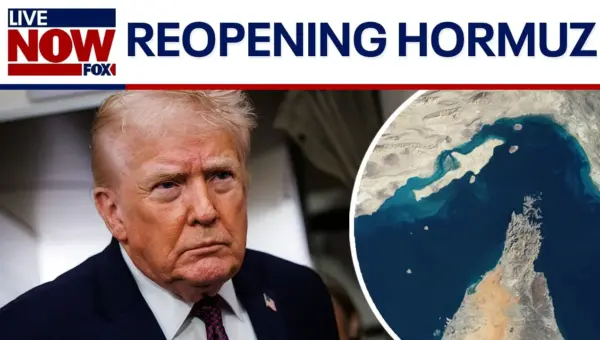
US, Iran Agree to 2-Week Ceasefire Centered on Strait of Hormuz
The U.S. and Iran have agreed to a two-week ceasefire, brokered by Pakistan, focusing on reopening the Strait of Hormuz. While a significant development, the deal's terms are complex and its fragility is a major concern due to the numerous actors involved.

Iran Uses Strait Threat to Win Ceasefire Victory
A recent ceasefire between Iran, the U.S., and Israel has concluded, with each nation claiming victory. Iran leveraged threats to the vital Strait of Hormuz to secure its position, while the U.S. military achieved notable successes. Israel's security concerns appear addressed, but global uncertainty remains.