US, Iran Ceasefire Holds Amid Regional Tensions
A ceasefire between the US and Iran has taken effect, though confusion lingers over Lebanon's inclusion. In related news, Spain is reopening its embassy in Tyre, while China denies military support to Iran. Former President Trump also reiterated his critiques of NATO's contributions.


Ceasefire Takes Effect Between US and Iran
A significant ceasefire agreement between the United States and Iran has officially taken effect, aiming to de-escalate tensions in a volatile region. Vice President JD Vance confirmed the agreement, noting that while progress has been made, substantial work remains. “We’ve got a lot more to do,” Vance stated, “and a lot more that the Iranians are going to have to accept as part of this negotiation.” Despite the progress, Vance expressed confidence, adding, “I think we’ve got a strong hand and we’re going to play it well.”
Confusion Over Lebanon’s Inclusion
Following the announcement, confusion arose among global leaders regarding whether Lebanon was included in the ceasefire terms. Both the United States and Israel have explicitly stated that Lebanon is not part of the brokered deal. This clarification comes amid ongoing concerns about the broader regional impact of the conflict.
Spain Reopens Embassy in Lebanon
In a notable development, Spain is set to reopen its embassy in Tyre, Lebanon. Spanish Foreign Minister announced instructions for the ambassador to return, citing a rekindled hope for peace. Spain had temporarily closed the embassy and evacuated personnel at the start of the recent conflict. The decision drew criticism from Israel’s Foreign Minister, who called Spain’s move a “disgrace” and accused Iran of resuming the execution of its own citizens and dissidents. He further stated that Spain is reopening its embassy “with no shame.”
China Denies Military Support to Iran
China has officially denied reports claiming it provided military support to Iran, including intelligence on U.S. forces. China’s Ministry of Defense spokesperson firmly opposed the spread of “speculative and insinuating false information targeting China.” The Washington Post had previously reported that some Chinese private companies, some linked to the People’s Liberation Army, were marketing intelligence about U.S. troop movements. Reuters also reported that China’s largest chip maker had sent chip-making equipment to Iran’s military, citing U.S. sources.
Syria-Lebanon Border Crossing Reopens
The main border crossing between Lebanon and Syria has resumed operations. The crossing was closed for five days after the Israeli military warned of plans to strike it, alleging Hezbollah was using it to smuggle military equipment. Both Lebanese and Syrian authorities denied these claims, and the threatened strike did not occur. U.S. and Egyptian intervention is credited with helping to halt the potential strike. Lebanese officials reported that over 200,000 people have crossed from Lebanon into Syria in the five weeks since the renewed conflict began.
Trump Reiterates NATO Concerns
Meanwhile, former President Donald Trump has again voiced his criticisms of NATO. Following a meeting with NATO Secretary General Jens Stoltenberg, Trump suggested the U.S. might consider leaving the alliance if member countries do not increase their contributions. Trump has previously expressed frustration over what he perceives as a lack of support from NATO allies regarding the Strait of Hormuz, a vital shipping lane, and its impact on global energy prices. He posted on social media, “NATO wasn’t there when we needed them and won’t be there if we need them again.”
NATO’s Engagement Limitations
Defense policy specialist Alim discussed the limitations NATO faces in engaging in conflicts like the one between the U.S. and Iran. “It’s a little bit to do with political concealment here,” Alim explained, referencing a UK strategic review that highlighted the unseaworthiness of many naval vessels. He stressed the need for allies to increase their defense spending, a point consistently emphasized by former President Trump. Alim also noted that many allies lack sufficient troops, pointing to discussions of conscription returning in Germany, the UK, and France. This underscores a desire within the transatlantic alliance, led by the U.S., to see allies bolster their capabilities.
Source: LIVE NEWS: Strait of Hormuz latest, US-Iran ceasefire, NATO chief address 11 ET, Diddy appeal & more (YouTube)

Related Articles

Iran’s Strait of Hormuz Blockade Shifts Global Oil Power
Iran's control over the Strait of Hormuz, a vital global oil route, is shifting economic power dynamics. As former President Trump declared a U.S. naval blockade, experts highlight Iran's effective use of this physical choke point, challenging U.S. financial leverage and potentially forcing negotiations under duress.

US Tightens Grip, Eyes Regime Change in Iran
John Bolton argues that the recent ceasefire with Iran was a mistake and advocates for a renewed military strategy. His proposal includes reopening the Strait of Hormuz and maintaining a blockade on Iranian oil to pressure the regime, with the ultimate goal of regime change.

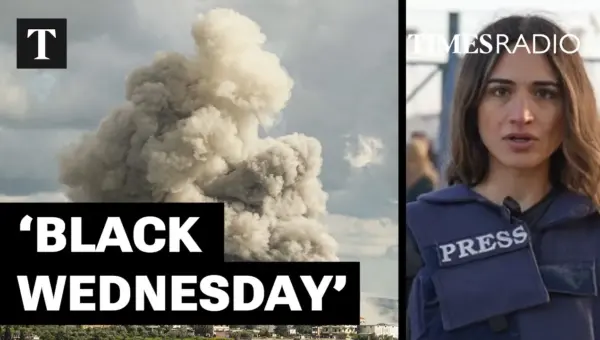
Beirut Reels From Attacks Amidst Fragile Peace Talks
Beirut is in shock after devastating Israeli attacks killed over 350 people in a single day, marking the city's deadliest event in decades. Amidst widespread grief and a call for a ceasefire, Lebanon is preparing for unprecedented direct talks with Israel, a move met with mixed reactions and internal protests.