US-Iran Ceasefire Holds Amid Post-Strike Tensions
A two-week ceasefire has been declared in the U.S.-Iran conflict, marking day 39 of Operation Epic Fury. Despite the pause, Iran launched drone attacks on Gulf partners, prompting retaliatory strikes on Iranian oil infrastructure. U.S. forces conducted extensive operations targeting Iran's industrial base and leadership prior to the ceasefire.

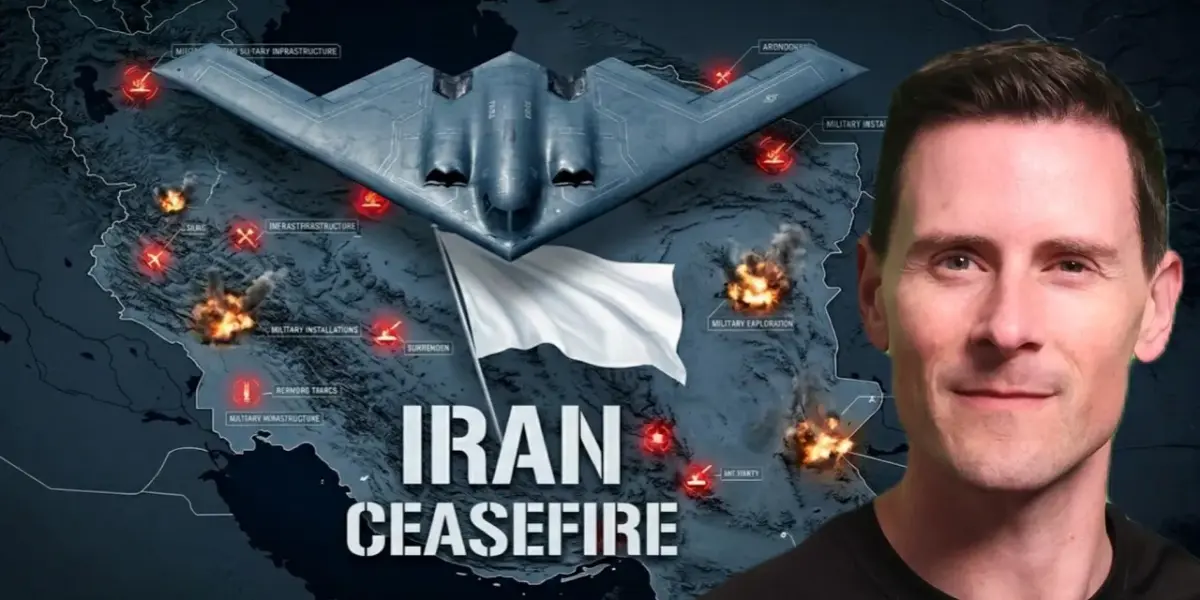
Ceasefire Declared in US-Iran Conflict
A fragile two-week ceasefire has been announced in the ongoing conflict between the United States and Iran, marking day 39 of Operation Epic Fury. The announcement came late yesterday, April 7th, 2026. However, tensions remain high as Iran launched drone attacks against its Gulf partners shortly after the ceasefire was declared. It remains unclear if all units received the ceasefire order in time.
Iran Launches Post-Ceasefire Attacks
Despite the ceasefire, Iran launched drone attacks targeting Saudi Arabia and the United Arab Emirates. Reports suggest these actions may have been carried out by units unaware of the ceasefire. In response, one of the targeted Gulf nations reportedly struck Iranian targets on Leavon Oil Island. The extent of damage and the specific nation responsible for the retaliatory strike are still under investigation.
US Strikes Target Iran’s Industrial Base
In the hours leading up to the ceasefire, U.S. forces conducted extensive operations. Secretary of War Pete Hegsath stated that American forces carried out 800 strikes in a single night. These strikes aimed to cripple Iran’s industrial capabilities and leadership. Reports indicate that numerous Iranian leaders have been eliminated over the past month.
Long-Range Bomber Missions Highlight US Reach
A significant military achievement noted during the recent operations was the deployment of 18 long-range bombers. These aircraft completed round trips exceeding 30 hours, originating from the continental United States. This capability, as highlighted by the Chairman of the Joint Chiefs of Staff, demonstrates a unique strategic reach unmatched by any other nation.
President Trump’s Statements on Regime Change
President Trump issued a statement prior to the ceasefire deadline, which caused significant global reaction. Initially interpreted by some as a threat to annihilate Iran’s civilization, his full statement clarified a focus on regime change. He expressed hope for a new, less radicalized leadership in Iran. His message read: “A whole civilization will die tonight, never to be brought back again. I don’t want that to happen, but it probably will. However, now that we have complete and total regime change where different, smarter, and less radicalized minds prevail, maybe something revolutionarily wonderful can happen.” He later added, “God bless the great people of Iran,” suggesting his condemnation was aimed at the ruling clerical and military establishment responsible for widespread human rights abuses, with estimates of civilian deaths ranging from 15,000 to 45,000 in recent months.
Controversy Over Easter Morning Tweet
President Trump also drew attention for a tweet on Easter morning. The message, which included strong language and referenced power plant and bridge targets in Iran, was criticized by some, including commentator Tucker Carlson, as inappropriate for the holiday. The sender of the tweet, however, defended the language, stating it was necessary due to the ongoing war and highlighting a daring U.S. military rescue mission that also occurred on Easter. This rescue mission reportedly resulted in the elimination of several IRGC members.
Iran’s Ceasefire Declaration
Iran’s Ministry of Foreign Affairs, through Sayyid Abbas Araghchi, officially declared their acceptance of the ceasefire. This followed mediation efforts by Pakistan’s Prime Minister Sharif and Field Marshal Munir. The declaration stated that if attacks against Iran cease, Iran’s armed forces would halt defensive operations for two weeks. The statement also mentioned allowing safe passage through the Strait of Hormuz, coordinated with Iran’s armed forces.
US Vows to Prevent Nuclear Weapons
Following Iran’s declaration, Secretary of War Pete Hegsath reiterated the U.S. commitment to preventing Iran from acquiring nuclear weapons. He stated that the new Iranian regime understood the implications of the agreement and would not possess nuclear arms.
Strategic Strikes on Energy Infrastructure
The U.S. and its allies conducted targeted strikes on Iran’s energy infrastructure. Notably, K Island, a significant oil export hub, was struck just before the ceasefire. This action served as a warning, demonstrating the U.S. ability to disrupt Iran’s oil revenue. Additionally, the South Pars petrochemical complex was targeted. U.S. officials explained that this facility is crucial for Iran’s ballistic missile program, underscoring that strikes were not random but aimed at degrading Iran’s war-making capabilities. Similarly, strikes targeted Sharif University, identified as a center for Shahed drone and ballistic missile development.
Leavon Oil Island Retaliation
Following Iran’s post-ceasefire drone attacks on the UAE and Saudi Arabia, Leavon Oil Island, another key Iranian oil asset, was struck. While the perpetrator remains unconfirmed, speculation points to the UAE or Israel. This counter-strike aimed to damage Iran’s oil revenue stream, impacting both the IRGC and the incoming regime.
US Central Command Maintains Readiness
U.S. Central Command has emphasized continued readiness despite the ceasefire. Images released show sailors aboard the USS Abraham Lincoln maintaining operational readiness. Additionally, the command released information on strikes against the Shahed Maladi Naval Boatyard in Bushehr, a facility critical for Iran’s small boat construction and maintenance, thereby degrading Iran’s naval capabilities.
Propaganda Narratives Emerge
Media outlets have presented differing narratives on the conflict’s outcome. Some reports, including one from CNN, have framed Iran as victorious, focusing on their 10-point proposal. This perspective has been criticized as a form of propaganda, potentially aligning with Iranian narratives.
Broader Impact and Future Outlook
The 38 days of Operation Epic Fury involved approximately 10,000 missions, targeting over 13,000 sites, which U.S. officials claim have rendered Iran’s military ineffective for years. The focus now shifts to the sustainability of the ceasefire and Iran’s commitment to its terms. A key concern is Iran’s continued support for proxy threats, which the U.S. hopes will be curtailed under a new regime. The situation remains fluid, with the potential for renewed conflict if the ceasefire falters.
Strategic Implications
The recent developments highlight a shift in the conflict’s dynamics. The U.S. demonstrated a capacity for sustained, high-intensity operations, including long-range strikes, significantly degrading Iran’s military infrastructure and leadership. The ceasefire, while offering a pause, is viewed as fragile. The effectiveness of the ceasefire hinges on Iran’s adherence to its terms and its willingness to de-escalate support for regional proxies. The targeting of Iran’s energy sector and its direct link to military programs, particularly ballistic missiles and drones, signifies a strategic effort to curtail Iran’s offensive capabilities. The retaliatory strikes on Iranian oil infrastructure by Gulf partners underscore a unified regional stance against Iranian aggression.
What This Means on the Ground
For the people of Iran, the ceasefire offers a temporary respite from direct military action. However, the long-term impact depends on the nature of the new regime and its policies. The strikes on infrastructure, while aimed at the military, could have broader economic consequences. For regional partners like Saudi Arabia and the UAE, the ceasefire provides a chance to assess the threat landscape and reinforce their defenses. The ongoing U.S. military presence and readiness signal a continued commitment to regional security, even during a cessation of hostilities.
Source: Everything You Need To Know About the U.S. Iran War Ceasefire (YouTube)

Related Articles


US Warns Iran: Nuclear Ambitions Face Forceful Response
Hours after a ceasefire, a US official threatened military action against Iran's nuclear program if uranium isn't handed over voluntarily. This raises concerns about ongoing conflict and Iran's strategic leverage.


Ceasefire Shattered: Mideast Plunges Back into Chaos
A newly announced ceasefire in the Middle East has been instantly violated, plunging the region back into chaos. Attacks on oil facilities and pipelines have escalated, with conflicting reports on the terms of the agreement. This rapid breakdown signals a difficult path ahead for regional peace.

Trump’s Iran Deal Bluster Exposes Weakness, Global Mistrust
Journalist David Cay Johnston analyzes Donald Trump's handling of the Iran situation, arguing it exposed his weakness as a negotiator and damaged US global standing. Concerns about his mental fitness and the long-term impact on the dollar are also discussed.