US-Iran Ceasefire Fragile Amid Violations, Talks Set
A fragile ceasefire between the US and Iran is already facing violations, raising doubts about its stability. Key negotiations are set to take place in Islamabad this weekend, with Vice President JD Vance leading the US delegation. The Strait of Hormuz remains a critical point of contention, with conflicting reports over Iran's potential toll system and its impact on international shipping.

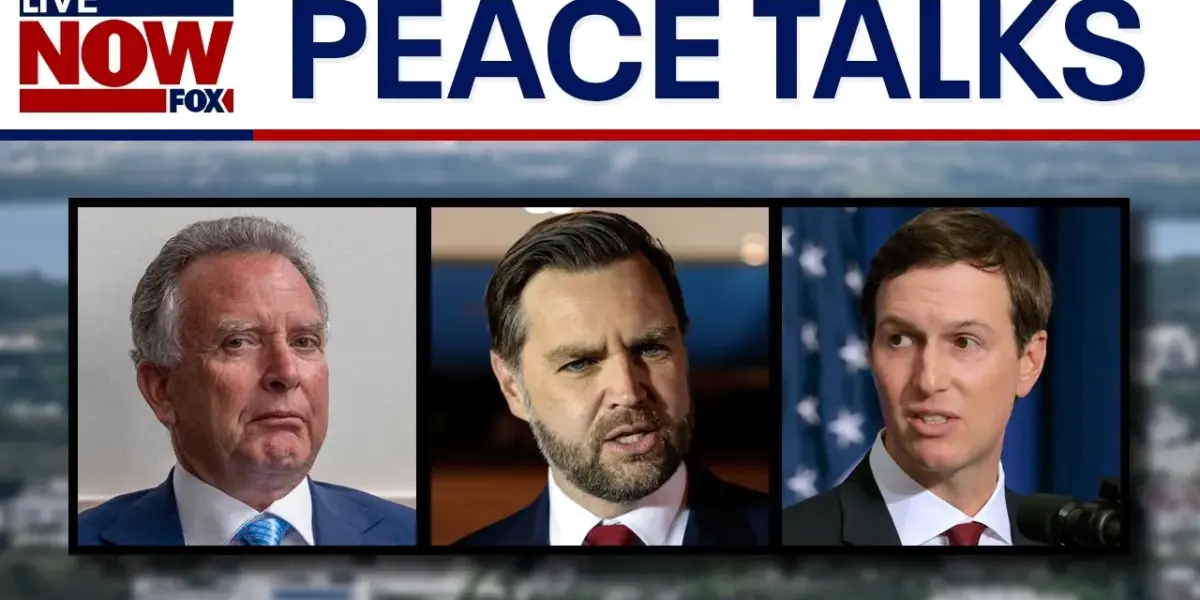
Ceasefire Declared, But Violations Emerge
A fragile ceasefire between the United States and Iran was announced by President Trump last night. However, conflicting reports of violations and confusion over the Strait of Hormuz have cast doubt on its effectiveness. Reuters national security reporter Phil Stewart reports that repeated violations are occurring throughout the region. Iran claims Lebanon was not included in the deal, making it a dealbreaker for them. Reports of Iranian missile and drone attacks in the Gulf further complicate the situation, making it difficult to consider the ceasefire in effect.
Strait of Hormuz: A Point of Contention
The Strait of Hormuz remains a critical flashpoint. Iran insists the strait is closed to US violations, a claim the White House disputes. Vice President JD Vance has addressed questions about Iran’s desire to establish a toll system in the strait. This system aims to generate revenue for rebuilding the country. If Iran gains control to the point of exacting tolls on international commerce, it could lead to a decline in maritime safety compared to pre-war levels. White House press secretary Carolyn Levit stated that such a situation would not be acceptable to President Trump.
Insurance Companies Hold Key to Trade Flow
While the US and Iran may negotiate passage through the strait, insurance companies play a crucial role. For many shipping companies, traveling through the dangerous strait without insurance would be impossible. Tankers are worth hundreds of millions of dollars and carry valuable cargo. Even with US efforts to safeguard ships, the high risk of catastrophic loss deters many companies. Past Iranian attacks on tankers have heightened these concerns. Therefore, Iran holds significant leverage in the upcoming negotiations, especially if restoring free trade through the Strait of Hormuz is a key objective.
Dramatic Shift from Threat to Truce
The path to this ceasefire was remarkably swift. Just yesterday, there was a credible threat of military action against Iran. Reporting indicates that the US had a military plan to strike targets, suggesting the threat was not merely a bluff. Vice President Vance and others played a role in creating conditions for President Trump to call off the strike. However, the current reality sees Israel and Iran carrying out strikes, while the US is not. The sustainability of the ceasefire remains a significant concern.
Supreme Leader’s Reported Involvement
Reports suggest the Supreme Leader of Iran was involved in the ceasefire negotiations, a development that surprised many given his recent public absence. Axios reporter Barack Ravid has confirmed the Supreme Leader’s role in helping finalize the deal. This comes despite Secretary of Defense Pete Hexath’s earlier statements about the Supreme Leader being injured from an attack on February 28th. The exact status of the Supreme Leader remains unclear to Reuters, but his reported involvement signals a significant diplomatic effort.
NATO Relations Under Strain
In parallel diplomatic developments, President Trump is set to discuss a potential withdrawal from NATO. He has accused NATO allies of not supporting the US campaign against Iran. Many European allies do not see a legal justification for the war, nor did they agree that Iran posed an imminent threat justifying military action on February 28th. This has created a rift between the US and NATO. The upcoming meeting with NATO’s Secretary General could lead to major announcements impacting transatlantic ties for years.
In-Person Talks Planned for Islamabad
Looking ahead, Vice President JD Vance, along with Witco and Jared Kushner, are scheduled to travel to Islamabad, Pakistan, this weekend for in-person negotiations with Iran. Safety considerations for the delegation have been discussed, but there is a consensus that these talks are crucial. The ongoing ceasefire violations will likely increase pressure on the US to demonstrate its leverage during these high-stakes discussions. Whether the delegation ultimately makes the trip will be closely watched in the coming days.
Source: US-Iran ceasefire: Vance to lead peace talks in Islamabad (YouTube)

Related Articles
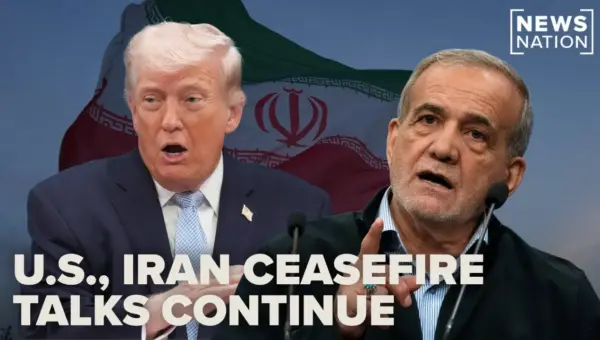
Iran Threatens Strait of Hormuz Amid Lebanon Strikes
Iran threatens to close the vital Strait of Hormuz in response to ongoing strikes in Lebanon. The US is trying to de-escalate, but actions on the ground remain a concern, potentially impacting global oil markets and future negotiations.

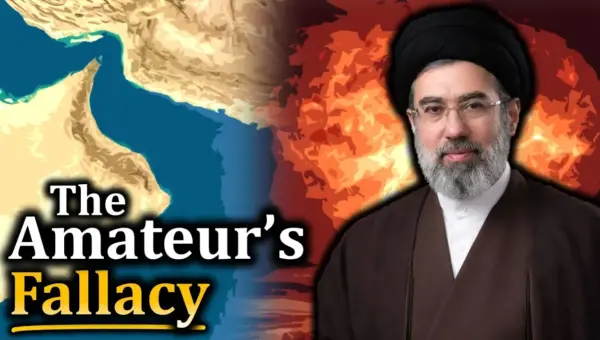
Iran’s Hormuz Threat: A Known Tactic, Not New
Recent conflict did not teach Iran a new tactic by threatening to close the Strait of Hormuz. Experts and Iranian planners have long understood this strategic leverage. The effectiveness of the recent shutdown was tied to global perceptions of the preceding conflict's instigator, not a newfound Iranian capability.


Reform Party Faces Challenge in Shedding ‘Trump Party’ Image
The UK's Reform Party faces pressure to distance itself from Donald Trump to broaden its appeal for government power. Meanwhile, international peace talks regarding the Iran conflict are hampered by deep divisions, with a negotiator describing the gaps as an "abyss." The geopolitical landscape is shifting, prompting discussions about alliances and leadership styles.