US-Iran Ceasefire Deal Reached; Global Markets React
The U.S. and Iran have agreed to a two-week ceasefire, significantly impacting global oil markets and leading to a drop in prices. However, domestic political tensions remain high as dozens of Democrats call for President Trump's removal from office.

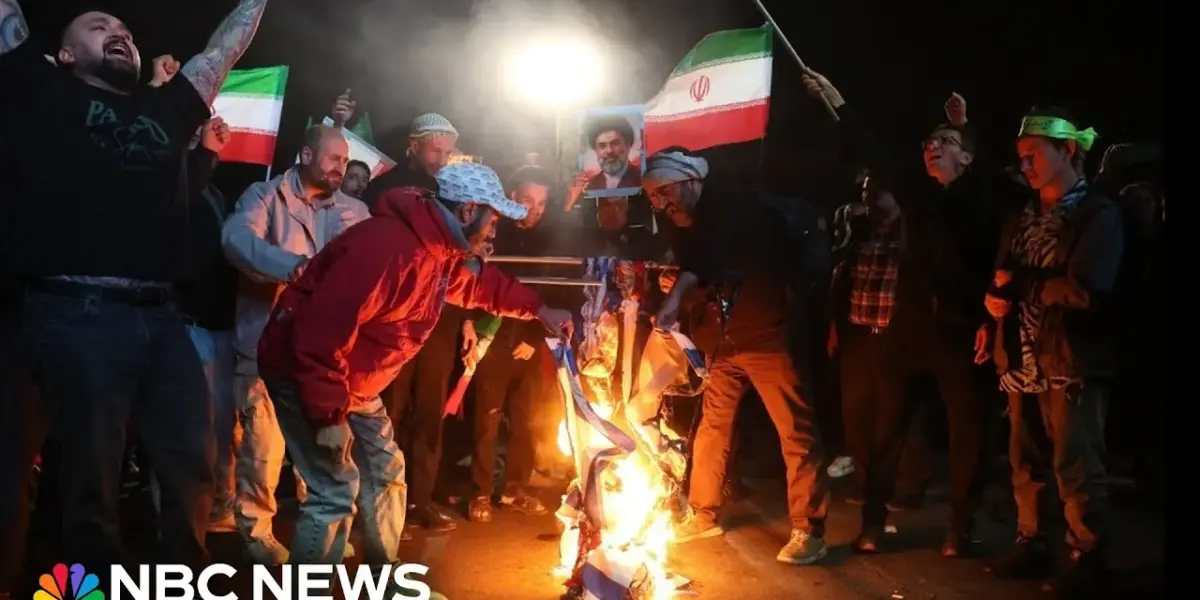
US and Iran Announce Two-Week Ceasefire
In a stunning development, the United States and Iran have agreed to a two-week ceasefire, ending over five weeks of intense conflict. President Trump announced the truce on social media, just hours before a deadline he had set for Iran to reopen the Strait of Hormuz. The President had previously threatened dire consequences for Iran if the vital waterway remained closed.
The eleventh-hour deal comes after intense diplomatic efforts, with Pakistani officials presenting a ten-point peace plan from Iran. President Trump called the plan a “workable starting point,” signaling a significant shift from his previous stance.
Key Terms and Negotiations
The ceasefire is contingent upon the complete, immediate, and safe opening of the Strait of Hormuz. If Iran complies, the U.S. will suspend bombing and attacks for two weeks. President Trump stated that U.S. military objectives had been met.
Iran’s ten-point proposal includes demands for the withdrawal of U.S. combat forces from the Middle East and coordinated passage through the Strait of Hormuz with Iran’s armed forces. However, the specifics of this coordination remain unclear, especially in relation to President Trump’s demand for a complete reopening.
Major shipping companies have expressed doubts about resuming operations through the Strait, highlighting ongoing concerns about maritime safety. The U.S. has stated it will remain present to ensure the smooth functioning of the agreement.
International Reactions and Diplomacy
The Pakistani Prime Minister played a key role in brokering the deal, inviting leaders from both the U.S. and Iran to Islamabad for further peace talks. He emphasized the wisdom and understanding shown by both nations and expressed hope for sustainable peace.
The White House confirmed discussions about in-person talks, but stressed that nothing is final until officially announced. Secretary of State Marco Rubio also announced the release of American journalist Shelley Kittleson, who had been held by an Iran-aligned militia in Iraq. She was kidnapped a week prior near Baghdad by the Iran-backed Kata’ib Hezbollah group.
Market Impact and Economic Consequences
The announcement of the ceasefire sent oil prices plunging. U.S. crude oil dropped more than 15% to around $95 a barrel, a significant decrease from its previous trading price of $117. Stock futures also saw a sharp rise, with the S&P 500 futures increasing by over 2.7% and Dow futures up by 2.5%.
The closure of the Strait of Hormuz, through which approximately one-fifth of the world’s oil typically passes, had previously driven up oil and gas prices. The average price for gas in the U.S. had reached $4.14 a gallon. The market’s optimistic reaction suggests a hope for a swift return to normal shipping operations and a subsequent drop in fuel costs.
Domestic Political Fallout
Despite the ceasefire, dozens of Democrats in Congress are calling for President Trump’s removal from office. Over 70 lawmakers are advocating for the Vice President and Cabinet to invoke the 25th Amendment or for Congress to impeach and convict the President.
These calls stem from President Trump’s rhetoric, particularly his threat that a “whole civilization will die.” Senator Ed Markey described the situation as “as grave a moment as the world has faced in the nuclear era.” Congressman Seth Moulton stated that the President had already committed an impeachable offense, regardless of the temporary ceasefire.
While some Republicans have criticized the President’s language, no Republican lawmakers have yet called for his impeachment or removal. However, a growing faction within the MAGA movement, including some media personalities, has expressed discontent, feeling the President has not lived up to his campaign promises to end wars.
Ongoing Complexities and Future Outlook
Significant questions remain about the ceasefire’s enforcement and the true intentions behind the ten-point plan. Reports of Iranian strikes across the Gulf region this morning suggest the ceasefire may not be fully holding.
The inclusion of Lebanon in the ceasefire agreement is disputed, with Israel stating it will continue its operations against Hezbollah. This adds another layer of complexity to the already fragile situation.
Analysts express caution about the long-term prospects of the diplomatic talks. The demands from both sides appear maximalist, with little overlap. The Middle East has a history of failed ceasefires, and the differing views between the U.S. and Iran on future actions could lead to renewed conflict.
Moving forward, all eyes will be on the upcoming talks in Islamabad and whether the U.S. and Iran can bridge their significant differences. The international community will be watching closely to see if this two-week truce can pave the way for lasting peace or if the region will once again be plunged into conflict.
Source: This Morning’s Top Headlines – April 8 | Morning News NOW (YouTube)

Related Articles

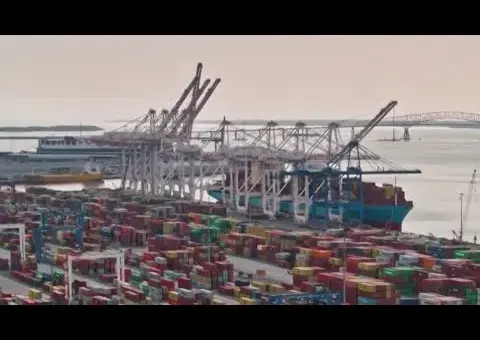
Oil Prices Drop on Iran Ceasefire, Boosting Global Markets
A surprise two-week ceasefire in the Middle East has caused oil prices to plummet and stock markets to rally significantly. This offers potential relief from high inflation for consumers and businesses, but the long-term stability of the truce remains uncertain.

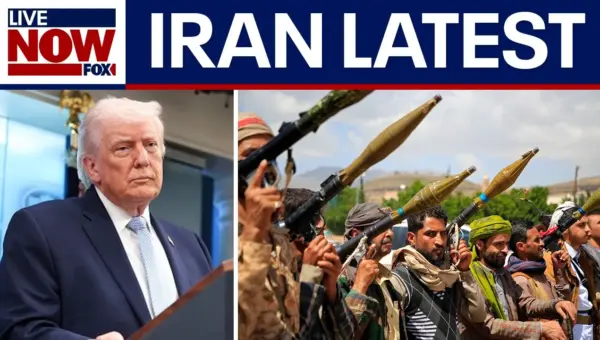
Middle East Tensions Flare Despite Ceasefire Deal
A recent ceasefire deal between the U.S. and Iran is already showing cracks, with ongoing attacks reported and vastly different interpretations of the agreement by both sides. Key flashpoints like the Strait of Hormuz and the conflict in Lebanon continue to fuel tensions.

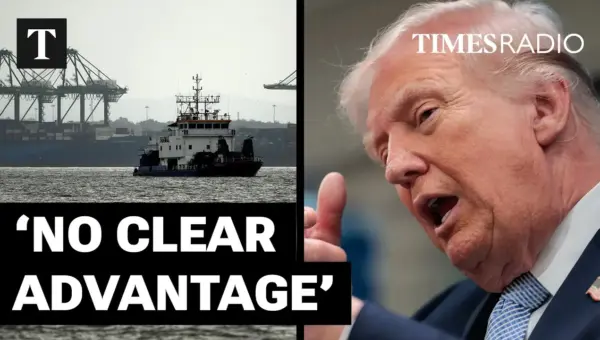
US Lacks Edge in Iran Talks Amid Fragile Ceasefire
A fragile two-week ceasefire between the U.S. and Iran offers a temporary reprieve, but key questions remain, particularly regarding passage through the Strait of Hormuz. Gulf states fear a resolution that doesn't address Iran's missile programs and nuclear ambitions. The U.S. may not hold a clear advantage in upcoming talks, as Iran has secured a seat at the table to discuss its own proposals.