US Imposes Oil Blockade on Iran Amid Tensions
US naval forces have begun enforcing an oil blockade in the Gulf of Oman and Arabian Sea following failed peace talks with Iran. The strategy is described as a "test of pain," aiming to cut off Iran's oil exports and pressure the regime. Experts debate Iran's resilience against economic hardship versus potential US political pressure from rising oil prices.

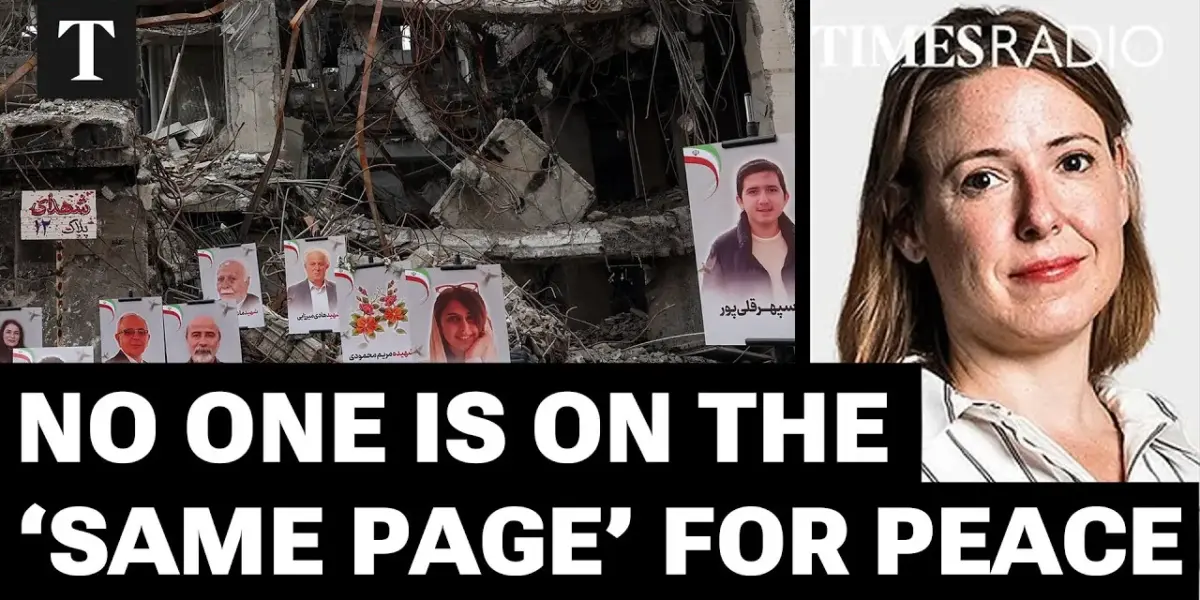
US Naval Forces Enforce Oil Blockade in Strategic Waters
US naval forces have begun enforcing a blockade in the Gulf of Oman and the Arabian Sea, located east of the Strait of Hormuz. This action follows the failure of recent peace talks between Iran and the United States over the weekend. The move is seen as a significant escalation in the ongoing tensions between the two nations, with the aim of cutting off Iran’s oil exports.
A Test of Economic Pain and Political Will
The situation is described as a “test of pain,” a contest to see which side can withstand greater economic hardship. The United States intends to impose a blockade similar to the one previously used against Venezuela, aiming to halt all Iranian oil exports. This comes after Iran’s earlier blockade of the Strait of Hormuz, which had indirectly led to the lifting of some sanctions on Iranian oil, allowing increased exports.
“The intention now is expect exports none at all,” stated Catherine Philp, editor at The Times. “Trump’s even said that he’s going to take aim at anyone who does business with the Iranians and who pays them a toll to get through.” However, she cautioned that firing on oil tankers is not a viable option, as “disaster lies that way.” The core question remains: will the Iranian regime yield due to a lack of oil revenue, or will the United States falter as oil prices inevitably rise?
Iran’s Resilience and Asymmetric Warfare
Experts believe Iran is likely to withstand significant economic pressure, especially if it perceives the situation as an existential threat to its regime. Public opinion has little impact on the Iranian government’s decisions. “They don’t care about the well-being of their people,” noted Philp. “If they are able to keep up asymmetric warfare against the US, it’s not that expensive to do.” Furthermore, Iran has allies, like the Houthis in Yemen, who have the power to disrupt shipping in other critical waterways, such as the Bab al-Mandib Strait.
Diplomacy and Fragile Ceasefires
While the US naval action is underway, diplomatic efforts continue, though progress has been slow. Kemi Badenoch, speaking in the House of Commons, described the current ceasefire between the US, Israel, and Iran as “undeniably welcome” but “highly fragile.” She emphasized the need for “a lot of work is required to reopen the Strait of Hormuz to deescalate the situation leading to a sustainable ceasefire.” Badenoch called for Lebanon’s inclusion in diplomatic discussions and stated that while diplomacy is the preferred path, Hezbollah must disarm. She also condemned Israeli strikes, highlighting their “devastating humanitarian consequences” and the crisis they are pushing Lebanon into.
US Strategy: A Clever Move?
Dr. Steven Wills, a retired US Navy officer and specialist at the Center for Maritime Strategy, views the US blockade as a “clever” strategy. “It puts the onus on violent response back in the hands of the Iranians,” he explained. The blockade is specifically directed at ships coming from Iranian ports, leaving other nations the choice to do business with Iran or not. Dr. Wills believes the US will likely board and divert ships rather than engage in direct conflict. “So I don’t think you’re going to see shooting here whatsoever,” he stated.
He compared the current situation to the “tanker war” of 1987-1988, suggesting escort missions and demining efforts might become part of the US strategy. However, he acknowledged that the conflict could last for some time, given Iran’s high pain threshold.
The China Factor and Potential Confrontations
A significant concern is the potential for confrontation with Chinese vessels. The US strategy may aim to pressure China into intervening and persuading Iran to back down. Dr. Wills acknowledged this as a “legit concern,” but suggested that in such a scenario, the US would likely seize control of a Chinese vessel briefly before returning it to Chinese authorities. He cited instances where nations have taken action against Chinese merchant vessels, noting that any US interception would be highly public and challenging.
The US Navy’s capacity for certain operations, like extensive escort missions requiring numerous destroyers, might be limited in the region. Therefore, the current blockade strategy, despite its challenges, is seen by some as a more feasible option for now.
Iran’s Naval Capabilities and Deterrence
Despite US warnings, Iran possesses fast boats that could potentially be used to lay mines in the Strait of Hormuz. However, Dr. Wills noted that Iran has not extensively practiced laying large minefields. “Nations are only as their militaries are only as good as to what they exercise to,” he said. Even the threat of mines can be enough to deter commercial traffic, and the recent passage of US destroyers through the Strait was partly a demonstration that the US is aware of the risks and believes it can navigate them.
Looking Ahead
The coming weeks will be crucial in determining the effectiveness of the US blockade and Iran’s response. The global impact on oil prices and the potential for diplomatic breakthroughs or further escalation will be closely watched. The role of other international players, particularly China, could also significantly influence the outcome of this high-stakes standoff.
Source: Trump Can’t ‘Hunt Down’ Or Bomb Oil Tankers | Catherine Philp (YouTube)

Related Articles
Trump’s Global Chaos: Might Makes Right?
Donald Trump's actions, from challenging international law to embracing a Christ-like image, are reshaping the global order. This shift towards 'might makes right' creates instability and emboldens adversaries, while figures like the Pope warn of a loss of human dignity and justice.
Iran Faces War Risk Amidst Trump Blockade Confusion
The UK has refused to back a U.S. naval blockade of Iran, prioritizing the opening of the Strait of Hormuz. Experts question the logic and potential escalation of President Trump's strategy, especially concerning international relations with China. Concerns also rise over Iran's potential for miscalculation and the lack of a clear U.S. plan.


Strait of Hormuz Tensions Threaten Global Economy, Raise Oil Prices
Escalating tensions in the Strait of Hormuz have led to reduced oil shipments and a significant increase in oil prices. Experts warn that the ripple effects will soon hit consumers through higher grocery costs, with price hikes expected around April 29th. The situation remains volatile, with both military and diplomatic developments being closely watched.