US Housing Market Faces Record Bubble
Analysis of 130 years of housing data reveals the US is in the largest housing bubble on record, driven by unprecedented price growth outpacing incomes. Record seller equity and a prolonged demand recession are key factors contributing to market stagnation.

US Housing Market Faces Record Bubble, Driven by Unprecedented Price Surge
Analysis of 130 years of housing market data reveals a stark reality: the United States is currently experiencing the largest housing bubble on record, primarily driven by an unprecedented surge in home prices. While mortgage rates have fluctuated throughout history, and periods of slower job markets have occurred, never before have inflation-adjusted home prices reached such stratospheric levels. Home values have outpaced income growth and the price increases of other goods and services, creating a historic disconnect that raises significant concerns for the market’s future stability.
Record High Prices and Buyer Affordability Crisis
The core of the current housing market dilemma lies in the extreme divergence between home prices and what average buyers can realistically afford. Despite mortgage rates hovering around a historically normal 6%, the sheer cost of homes has pushed affordability to its lowest point in recent memory. This has resulted in a prolonged demand recession, with home sales experiencing record lows for what is now the fourth consecutive year. Potential buyers are finding themselves priced out, unable to secure financing or make competitive offers in a market where entry-level homes are increasingly out of reach.
Seller Equity and Market Stalemate
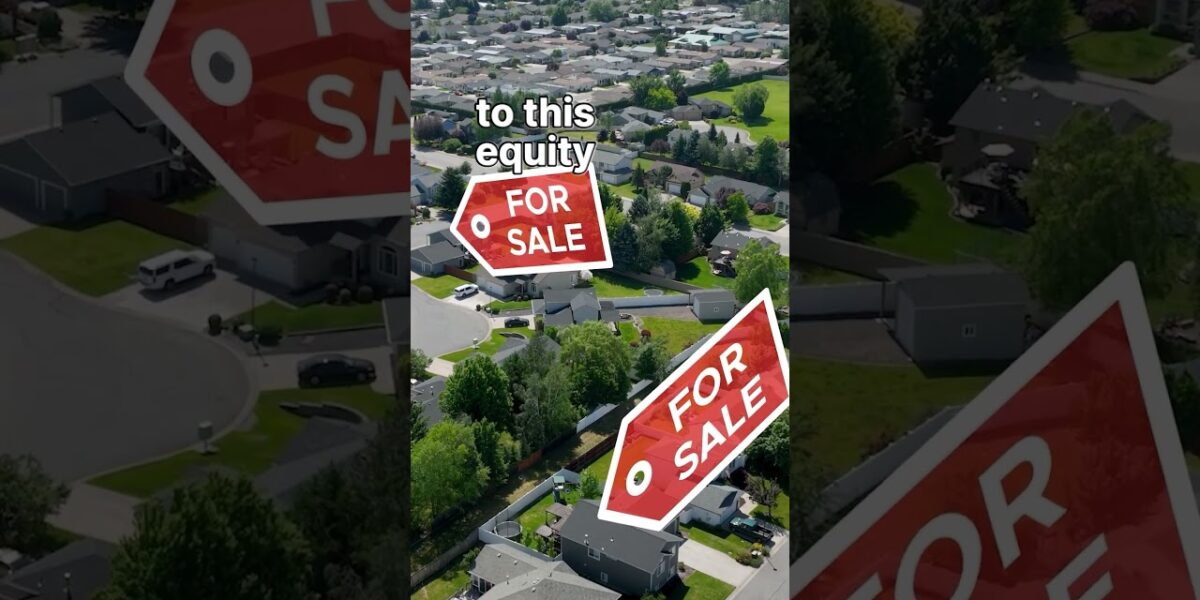
Adding another layer to this complex situation is the record high homeowner equity. With approximately $36 trillion in equity held by homeowners, a significant portion of sellers are reluctant to lower their asking prices to meet current buyer affordability levels. This reluctance stems from a desire to preserve their substantial equity gains rather than accept a sale price that might reflect a more normalized market valuation. Consequently, many properties remain on the market, contributing to a stalemate where sellers are unwilling to compromise on price and buyers are unable to meet the asking prices, further exacerbating the demand slump.
Broader Economic Factors at Play
While the housing market’s internal dynamics are critical, broader economic factors also play a significant role. Inflationary pressures, even as they begin to moderate, have contributed to the overall increase in asset values, including real estate. Interest rate policies set by the Federal Reserve, aimed at controlling inflation, directly influence mortgage rates and the cost of borrowing, impacting both buyer demand and investor sentiment. The interplay between these macroeconomic forces and the specific conditions within the housing sector creates a challenging environment for all market participants.
Regional Variations and Impact
The impact of this housing bubble is not uniform across the country. Certain regions, particularly those that experienced rapid appreciation during the pandemic-fueled boom, are more susceptible to significant price corrections. Areas with a strong history of job growth and high demand may see more resilience, but even these markets are not immune to the broader affordability crisis. Buyers in high-cost urban and suburban areas are disproportionately affected, facing immense challenges in entering the market. Sellers in these areas may find themselves holding onto properties longer than anticipated if they are unwilling to adjust their price expectations. Investors, meanwhile, are closely monitoring metrics such as capitalization rates (cap rates) and cash flow to assess the viability of new acquisitions in a market characterized by high entry costs and uncertain future appreciation.
Understanding Key Real Estate Concepts
For those navigating the current market, understanding key real estate concepts is crucial. Capitalization Rate (Cap Rate) is a measure of a property’s potential return on investment, calculated by dividing the net operating income by the property’s market value. A higher cap rate generally indicates a more attractive investment. Loan-to-Value (LTV) Ratio compares the amount of a mortgage loan to the appraised value of the property, influencing mortgage insurance requirements and loan terms. Cash Flow refers to the net income generated by an investment property after all expenses, including mortgage payments, property taxes, insurance, and maintenance, have been paid. Positive cash flow is essential for sustainable real estate investment.
Outlook for the Housing Market
The current data suggests a market in a precarious position. The record high prices, coupled with a persistent demand recession and significant seller equity, create a scenario where a significant price correction may be inevitable. While the exact timing and magnitude of any potential downturn remain uncertain, the historical precedent and current affordability metrics point towards a challenging period ahead for the US housing market. Continued monitoring of economic indicators, interest rate movements, and local market dynamics will be essential for anyone involved in buying, selling, or investing in real estate.
Source: We're in the biggest Housing Bubble in 130 Years (YouTube)

Related Articles


Real Estate Market Faces Inflation Headwinds
Persistent inflation and rising interest rates are reshaping the U.S. housing market, impacting affordability and creating new dynamics for buyers, sellers, and investors. Understanding key financial metrics and economic factors is crucial for navigating this evolving landscape.


Mortgage Shopping Slashes Rates, Boosts Savings
Actively shopping for a mortgage and leveraging competing offers from lenders can save homeowners hundreds of dollars monthly. By presenting quotes between institutions like Wells Fargo, Bank of America, and Chase, borrowers can potentially reduce interest rates significantly, leading to substantial long-term savings.


BlackRock Fund Strain Signals Investor Caution
Recent stress in a BlackRock debt fund highlights a shift in market perception, reminding investors that even traditionally "safe" investments face economic headwinds. This event underscores the need for greater vigilance and portfolio review amidst broader inflationary pressures and rising interest rates impacting all asset classes, including real estate.