US Held Iran Talks; Oil Prices Plummet, Markets Surge
The U.S. has engaged in preliminary talks with Iran aimed at ending the conflict, leading to a surge in markets and a drop in oil prices. President Trump announced a five-day delay on military strikes, citing "productive conversations" but questions remain about who the U.S. is speaking with in Iran.

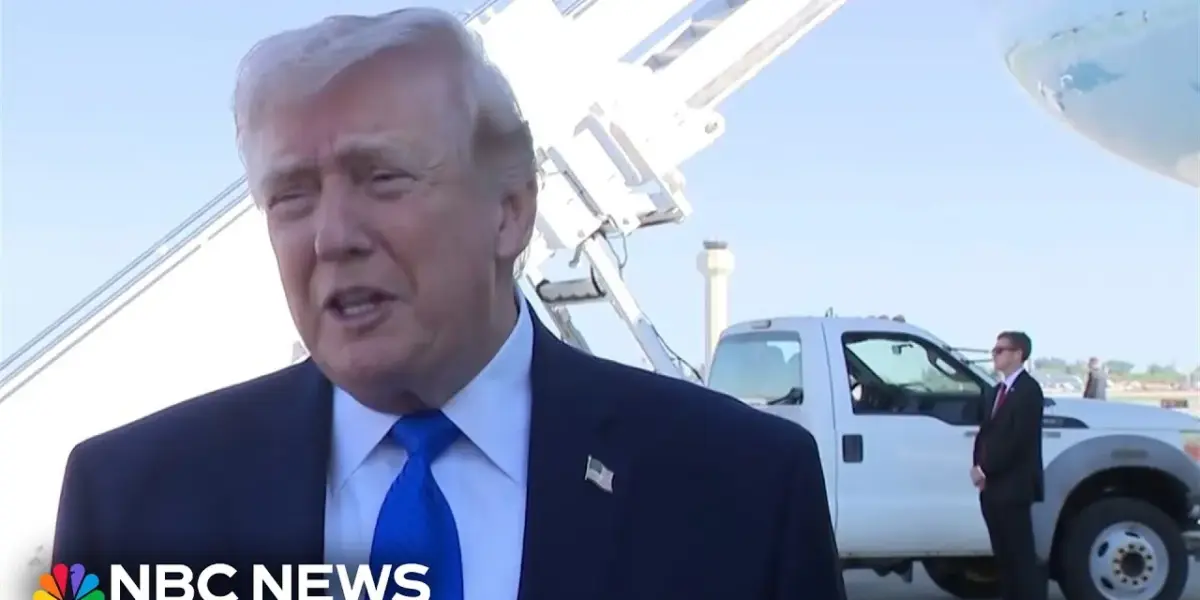
US Explores Diplomatic Path with Iran Amidst Escalating Tensions
In a significant shift, President Trump announced Monday that the United States has engaged in “preliminary conversations” with Iran aimed at ending the ongoing conflict. The announcement came as markets reacted sharply, with stocks surging and oil prices plummeting following the President’s remarks. Trump stated that the Strait of Hormuz could reopen “very soon” if these talks prove productive.
President Trump Walks Back Military Threat, Cites “Productive Conversations”
President Trump announced a five-day postponement of potential military strikes on Iran’s energy infrastructure. This decision marks an abrupt change from his previous threat to “obliterate” Iranian power plants if the Strait of Hormuz did not reopen. The President indicated that the U.S. and Iran are currently holding “productive conversations to end the war.” He described these discussions, led by Mr. Witkoff and Mr. Kushner, as having gone “perfectly.” Trump expressed optimism that if Iran follows through, the conflict could be resolved substantially. He also stated that Iran is agreeing to abandon nuclear weapons.
Uncertainty Surrounds Direct Communication with Iranian Leadership
Despite President Trump’s claims of successful talks, significant questions remain regarding who the U.S. is actually speaking with in Iran. The President declined to identify the individuals, only stating they hold positions of power and influence. This lack of clarity is compounded by Tehran’s denial of any such negotiations. The head of Iran’s parliament posted on social media, calling the reports “fake news” used to manipulate financial markets and escape a “quagmire.” U.S. officials, including National Security Correspondent Courtney Kube, noted that the individuals involved from the U.S. side appear to be President Trump’s son-in-law, Jared Kushner, and his Special Envoy for the Middle East, Steve Witkoff. However, the exact stage of these discussions, whether direct or through intermediaries, remains unclear.
Strait of Hormuz: A Potential Joint Control Scenario
President Trump suggested a novel approach to the critical shipping lane, proposing that the Strait of Hormuz could be “jointly controlled” by him and Iran’s next Supreme Leader. He indicated that the price of oil would drop significantly once a deal is finalized. Crude oil prices settled around $88 per barrel on Monday, a double-digit drop after nearing $100 on Friday. However, the average price for a gallon of regular gasoline remains close to $4.
Iranian Strikes Raise Regional Security Concerns
Over the weekend, Iran launched significant strikes, hitting two cities in southern Israel, including areas near Israel’s main nuclear site. Approximately 175 people were injured in these attacks. Additionally, Iran fired missiles at a remote U.S.-UK joint military base on Diego Garcia in the Indian Ocean. These actions have renewed questions about Tehran’s military capabilities and the reach of its ballistic missiles. Raf Sanchez, reporting from Doha, noted that countries in the Gulf region are acutely aware of Iran’s ability to strike, particularly impacting desalination plants crucial for water supply.
Israel’s Stance and Differing Motivations
The potential for a U.S.-Iran deal raises questions about Israel’s involvement and willingness to end its military actions. White House Correspondent Monica Alba reported that while President Trump and Israeli Prime Minister Benjamin Netanyahu are in constant contact, they appear to have different motivations and definitions of victory in the conflict. This divergence could impact the overall resolution of the hostilities.
Market Reaction and Future Outlook
Business and Data Correspondent Brian Cheung highlighted the significant market reaction, with stocks rising and crude oil falling sharply. However, he cautioned that the actual flow of oil tankers through the Strait of Hormuz has seen only a marginal improvement, with only five tankers passing daily compared to over 100 before the conflict. Analysts suggest it could take weeks for the channel to return to normal traffic, even if the conflict is resolved. While consumers might see gas prices drop by the end of the week if current trends hold, the long-term stability of the markets and oil supply remains dependent on the full reopening of the Strait of Hormuz and a lasting diplomatic resolution.
The Strategy of “Escalate to De-escalate”
Treasury Secretary Steven Mnuchin discussed the strategy of “escalating to de-escalate,” suggesting that sometimes, increased action is necessary to achieve a de-escalation and end a conflict. This could involve measures such as deploying U.S. troops to key islands in the Persian Gulf to mitigate threats to the Strait of Hormuz, potentially providing leverage for negotiated peace agreements. Experts believe that boots on the ground might be a necessary component to secure the Strait, though such a move would be extremely dangerous and likely met with Iranian retaliation.
Source: Trump administration engaged in ‘preliminary conversations’ with Iran to end war (YouTube)

Related Articles

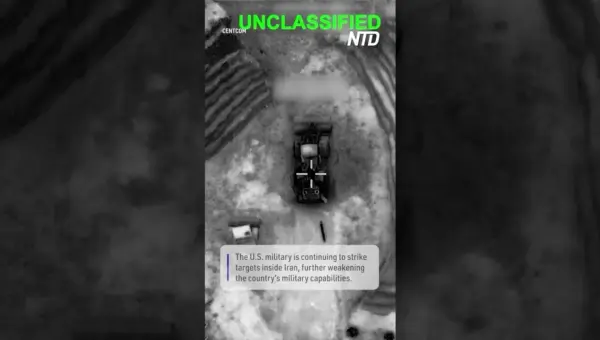
US Strikes Cripple Iran’s Military Might, CENTCOM Reports
U.S. Central Command reports ongoing strikes inside Iran are significantly weakening its military power. This direct action aims to reshape regional security dynamics, but carries risks of escalation. The long-term impact depends on Iran's response and ability to adapt.


Iran Targets US With Cyberattacks, Escalating Digital Warfare
Iran is increasingly using cyberattacks to challenge the U.S., as seen in a recent hack of the FBI director's account. Experts say this is a strategic shift due to Iran's limitations in conventional warfare. The U.S. needs to strengthen its digital defenses, focusing on encryption and cloud computing, rather than solely relying on traditional security measures.

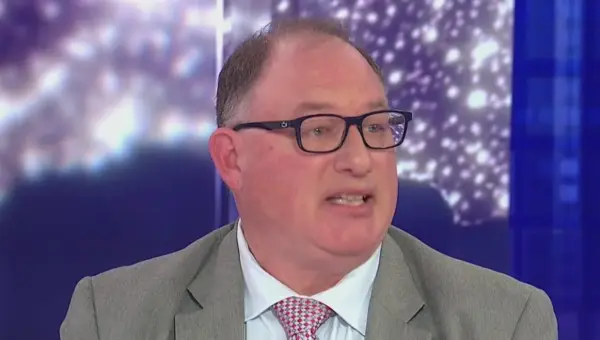
Iran Hacks FBI Chief, Exposing U.S. Cyber Vulnerabilities
A recent hack of FBI Director Kash Patel's personal email by an Iran-linked group highlights Iran's growing cyber threat to the U.S. Experts explain how simple security oversights are exploited, emphasizing the need for basic defenses like two-factor authentication to protect against propaganda and potential infrastructure attacks.