US Goals in Iran War Unclear Amid Conflicting Reports
US objectives and timelines for military actions in Iran remain unclear amid conflicting reports and vague official statements. Reports of a U.S. F-35 jet being struck challenge official narratives of smooth operations. Meanwhile, economic policies are shifting, and congressional oversight faces new obstacles.

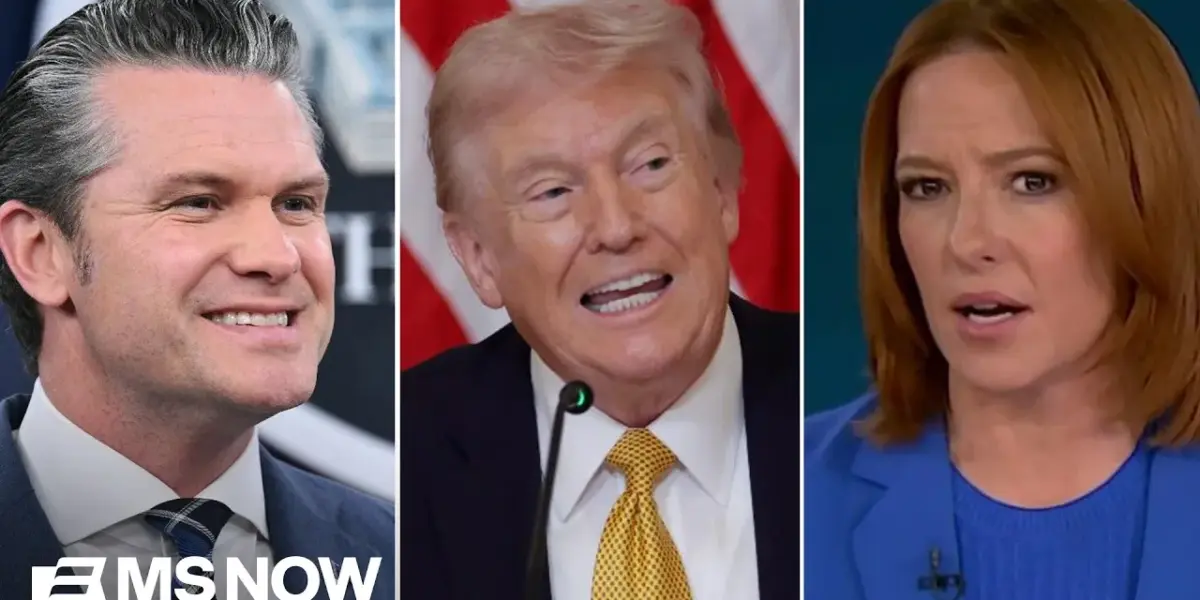
Confusion Over US Objectives in Iran Conflict Grows
The United States’ objectives and timeline for its military actions in Iran remain unclear, according to recent analysis. Despite a significant financial request and troop deployment, officials have struggled to define specific goals or an end date for the operation. This lack of clarity has led to widespread questions about the strategy and its potential outcomes.
Officials Offer Vague Answers on War’s End
When pressed about the progress toward achieving President’s objectives and the overall endgame, responses have been notably vague. One official stated, “Well, we wouldn’t want to set a definitive time frame on that, but as we’ve said, we’re on plan.” Further details suggested a focus on metrics and dynamic assessments, with the ultimate decision resting with the president. However, the absence of a set timeline or clearly defined mission benchmarks has raised concerns.
“That was a lot of have words without offering any clear objectives or even a remote sense of a timeline. But trust me, we’re on he’s not on the track. And actually, he doesn’t even know what that track looks like because only Trump can decide when it’s over.”
Conflicting Accounts Emerge on Military Engagements
Former President Trump has recently suggested that the conflict is nearing completion, claiming significant military successes. He stated, “It’s going to be over with pretty soon. We’ve obliterated the Navy. We’ve obliterated their just about everything there is to obliterate, including leadership.” Trump asserted that U.S. forces are operating freely with minimal opposition. However, this account has been challenged by reports of direct engagements.
Just hours before Trump’s remarks, CNN reported that a U.S. F-35 fighter jet was forced to make an emergency landing after being struck by what is believed to be Iranian fire. This incident, reported by sources familiar with the matter, directly contradicts the narrative of uncontested U.S. operations.
Economic Repercussions and Shifting Sanctions Policy
The ongoing conflict appears to be having significant economic consequences, prompting a review of existing sanctions. Reports indicate that the U.S. has lifted sanctions on Russian oil, even as Russia is allegedly assisting Iran in targeting U.S. assets. Furthermore, the Treasury Secretary has confirmed that the administration is considering lifting sanctions on Iranian oil. This move is reportedly aimed at preventing further global price increases during wartime.
The shift from a hardline stance against Iran to considering eased sanctions highlights the complex challenges facing the administration. It suggests a focus on mitigating broader economic fallout, even as military operations continue.
Congressional Scrutiny Faces Obstacles
Within Congress, there are efforts to limit public oversight of the war. Republican lawmakers are reportedly seeking to prevent administration officials from being questioned in public hearings. Senator Tim Kaine described a situation where the chair of the Senate Foreign Relations Committee, Jim Risch, decided against public hearings.
“I have decided that we will not have public hearings because I do not believe the administration’s decisionmakers should be subject to public questioning by senators.”
This decision has been criticized as an attempt to shield administration officials from public accountability. Critics argue that transparency is crucial, especially when the nation is engaged in military conflict overseas.
Looking Ahead: Demands for Clarity
Moving forward, the focus will likely remain on the administration’s ability to articulate clear objectives and a viable strategy for the Iran conflict. The discrepancy between official statements and on-the-ground reports, coupled with economic pressures and attempts to limit congressional oversight, necessitates greater transparency. Public and political pressure for clear answers regarding the purpose, cost, and expected duration of U.S. involvement is expected to intensify.
Source: Hegseth offers WORD SALAD on U.S. goals in Iran (YouTube)

Related Articles

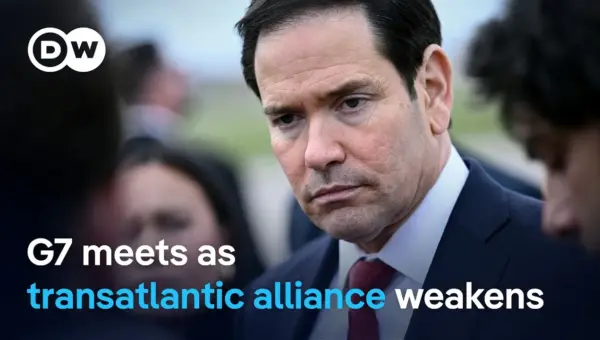
G7 Allies Clash Over Iran War Strategy, Urge Focus on Russia
G7 foreign ministers met in Paris, revealing deep divisions over the U.S. war with Iran. European allies urged the U.S. to pressure Russia, linking its actions to the conflict and fearing support for Ukraine will wane.
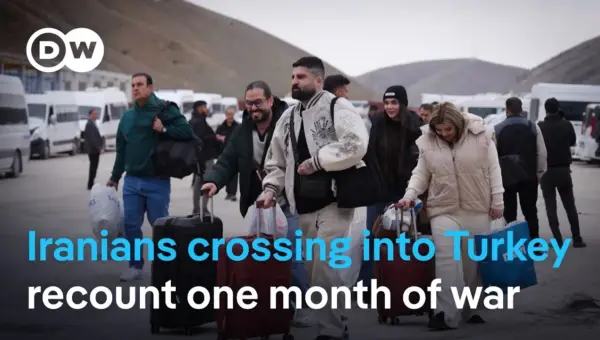
Iran War Exodus: Refugees Flee to Turkey Amidst Bombings
A train from Tehran brings refugees to Turkey, fleeing daily bombings and economic collapse. Many express deep fear for loved ones left behind, while some hold onto national pride and hope for victory. The conflict's impact is also felt economically in Turkey, with rising gas prices.

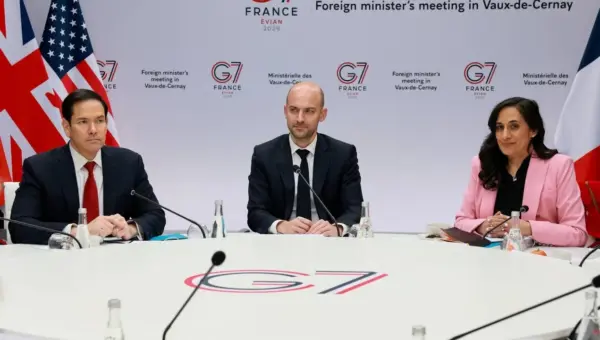
Rubio Puts US First at G7 Summit, Sparks Debate
Secretary of State Marco Rubio attended the G7 summit in France, emphasizing his commitment to serving the American people above all else. The meeting addressed the war in Iran and Russia's role, revealing differing approaches among allies on regional security and the Strait of Hormuz.