US Global Standing Crumbles Amidst Escalating Attacks
Recent attacks on U.S. diplomatic outposts in Toronto and Oslo are indicative of a dangerous global backlash against American foreign policy. This escalation suggests a weakening global standing for the U.S. and a growing sentiment of distrust and resentment worldwide.


Global Backlash Mounts as US Foreign Policy Sparks International Incidents
Recent attacks on American diplomatic outposts in Toronto and Oslo signal a dangerous escalation, suggesting that the United States’ global standing is increasingly precarious. The shooting at the U.S. consulate in Toronto and the bombing of the U.S. embassy in Oslo are not isolated incidents but rather indicators of a broader trend: America’s foreign policy is actively creating enemies and emboldening opposition worldwide.
The Roots of Retaliation
The narrative presented is that the U.S. administration’s aggressive military actions, including the deployment of costly missiles and targeting of civilian infrastructure in Iran, have predictably led to a backlash. As one perspective suggests, the U.S. has effectively declared open season on its consulates and embassies globally. This aggressive posture, coupled with a perceived disregard for international norms and a self-imposed isolation, is eroding traditional alliances and fostering widespread resentment.
The transcript highlights a stark contrast between the administration’s rhetoric and the reality on the ground. While the U.S. claims to be acting preemptively against imminent threats, the public narrative, according to the source, has shifted to a war for vengeance, citing Iran’s actions over the past two decades. This discrepancy breeds distrust among the American populace, who are increasingly questioning the rationale and cost of prolonged military engagements.
Erosion of Trust and Shifting Alliances
A significant point of concern is the perceived isolation of the United States in its current foreign policy endeavors. Despite assurances of support, the administration’s rejection of external aid, while simultaneously criticizing allies for insufficient cooperation, paints a picture of a nation adrift. This behavior is characterized as not merely a “black eye” but a systemic issue, a “cancer” driven by a “popular psychosis” that alienates both domestic and international audiences.
The implications extend to the very fabric of American society. The potential for a military draft, targeting a generation largely disengaged from military service, underscores the disconnect between the administration’s objectives and the public’s sentiment. A vast majority of Americans, it is argued, feel no personal stake in these conflicts, yet bear the economic consequences and witness the somber return of fallen service members. This disconnect is exacerbated by what is described as widespread disinformation from mainstream media, which often fails to reconcile the administration’s stated goals of cultural and national destruction with the public’s understanding of the conflict’s origins.
Canada’s Unease and the Global Perspective
The tension is not confined to distant lands. Even close allies like Canada are exhibiting growing apprehension. Reports of threats to Canadian sovereignty and suggestions that Canada is merely an appendage of the U.S. have fueled significant anti-American sentiment. Polls indicating that over 70% of Canadians view America as a threat underscore the damage to bilateral relations. The attacks on the U.S. consulate in Toronto are seen as a direct manifestation of this deep-seated unease, with the consulate itself representing a symbol of American influence on Canadian soil.
Beyond North America, the sentiment is even more pronounced. The world, it is argued, is tired of the “gross atrocities” and “idiocracy” emanating from the United States. From the Caribbean to the Middle East, Africa, and potentially Europe, American actions are perceived as destabilizing. This widespread exhaustion with U.S. foreign policy is leading to a reevaluation of global partnerships, with European leaders reportedly discussing disengagement and increasing their own arms imports in anticipation of future conflicts, even with former allies.
The Export of Fear and the End of an Era
The overarching theme is that the United States is currently in a “golden age of peak export of fear and destabilization.” This aggressive foreign policy, characterized by a lack of transparency and a disregard for the lives of both Americans and those in targeted nations, is seen as a catalyst for global unrest. The erosion of international trust and the fraying of alliances are presented not as temporary setbacks but as indicators of the end of the old world order.
The analysis suggests a deliberate, albeit perhaps misguided, strategy by the U.S. administration to leverage international incidents for domestic political gain. The idea that the government might even welcome a significant atrocity on American soil to justify its actions is a chilling indictment of the current political climate. The source concludes that the escalating attacks on U.S. diplomatic missions are a direct consequence of this aggressive, fear-exporting foreign policy, and that such incidents are likely to become more frequent and diversified as the conflicts prolong and U.S. global influence wanes.
Why This Matters
The events in Toronto and Oslo, while seemingly distant, have profound implications for global security and the future of international relations. They highlight the critical need for diplomatic transparency, responsible foreign policy, and a genuine understanding of global perceptions. The erosion of trust in U.S. leadership not only fuels international hostility but also creates a climate of fear and instability that affects everyone, including Americans at home. The potential for further escalation, particularly in a world increasingly armed and wary of superpower actions, demands a critical reassessment of current U.S. foreign policy and its long-term consequences.
Implications, Trends, and Future Outlook
The trend clearly indicates a growing global opposition to U.S. foreign policy, leading to increased attacks on American interests abroad. This emboldens adversaries and strains alliances, potentially paving the way for a multipolar world order where the U.S. is no longer the dominant force. The future outlook suggests a period of heightened global tension, increased regional conflicts, and a significant reorientation of international partnerships as nations seek to secure their own interests in a less predictable global landscape.
Historical Context
While the transcript does not provide specific historical examples beyond a general reference to past U.S. conflicts and administrations, the underlying sentiment echoes historical patterns of imperial overreach and the subsequent backlash it often provokes. Throughout history, powerful nations that engage in prolonged foreign interventions and project dominance have frequently faced resistance, leading to periods of instability and shifting global power dynamics. The current situation can be viewed as a modern iteration of these age-old geopolitical forces at play.
Source: Toronto Attacked, Oslo Bombed: America is Now a Target (YouTube)

Related Articles
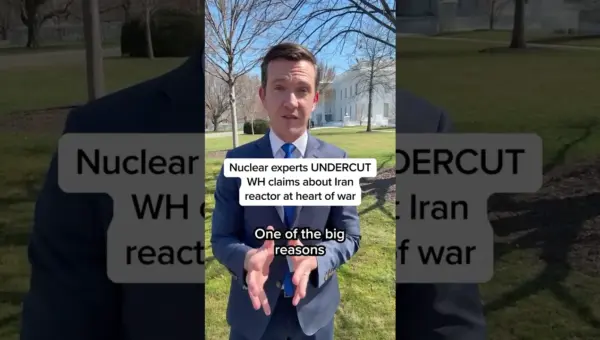
Experts Dispute US Claims on Iran Reactor’s Nuclear Bomb Role
Nuclear experts are publicly disputing the Trump administration's claims that Iran's Tehran Research Reactor is being used to develop nuclear weapons. Scientists assert the U.S.-built facility, operational for decades for civilian research, lacks the capacity for bomb-making.


Trump’s War Costs Ignite Fury Across Political Divide
As the US expends billions on a new Middle East conflict, questions about cost, rationale, and broken promises ignite fury across the political divide. Even Fox News and conservative figures are voicing concerns, highlighting the growing public unease with escalating warfare.
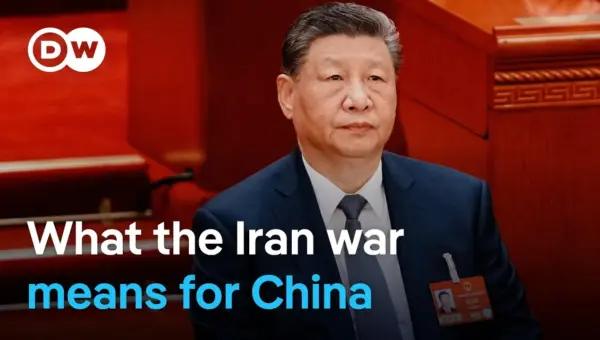
China’s Iran War Stance: Strategic Restraint Amid Global Rivalry
China's subdued response to the Iran war, despite significant economic ties, highlights a strategic approach prioritizing self-interest over alliance obligations. This calculated restraint, analysts suggest, is part of Beijing's long-term strategy to gain global influence by allowing geopolitical rivals to expend resources.