US General Warns Striking Iran’s Water Plants is a Mistake
Wall Street rallied on hopes for an end to the Iran conflict, but rising oil prices and disrupted shipping in the Strait of Hormuz persist. A retired four-star general warned that striking Iran's desalination plants would be a grave mistake, potentially violating international law and causing widespread damage.

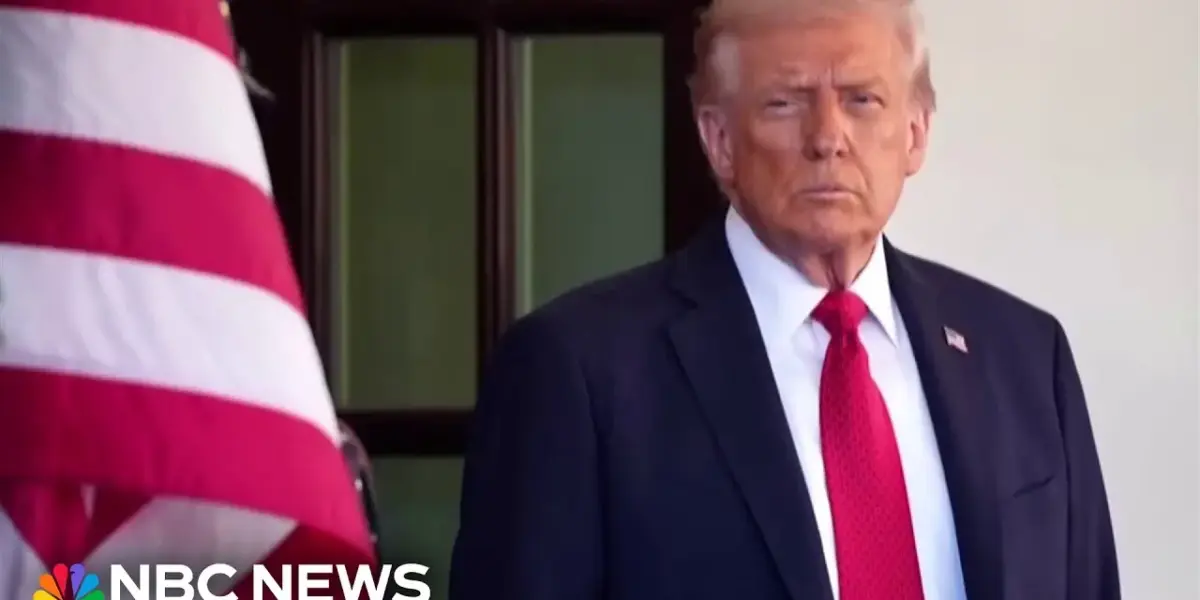
Markets Rally Amid Shifting Tones on Iran Conflict
Wall Street saw a significant surge, with the Dow Jones closing up over 1000 points, fueled by tentative hopes for an end to the conflict with Iran. This market reaction followed comments from Iran’s president indicating a willingness to end the war if specific guarantees are met. However, these hopes come despite ongoing disruptions in the Strait of Hormuz, which continue to drive up oil prices. Crude oil has settled above $100 a barrel for the second consecutive day, and the national average for gasoline has surpassed $4 per gallon for the first time since 2022.
White House Downplays Gas Prices, Urges Allies to Step Up
The White House is attempting to temper concerns over rising gas prices. A statement suggested that prices would fall significantly once ‘Operation Epic Fury’ concludes. Meanwhile, President Trump took to social media, urging allies facing fuel shortages to take initiative and secure their own oil supplies. At a Pentagon briefing, Defense Secretary Hegseth echoed this sentiment, calling for international partners, including the Royal Navy, to share the responsibility of securing the critical Strait of Hormuz waterway, which he noted the U.S. uses less than many other nations.
Escalating Tensions and Shifting Strategies
The situation remains volatile, with a Kuwaiti oil tanker reportedly damaged by a drone strike while docked in Dubai. Kuwait’s state-owned energy company has blamed Iran for the attack. President Trump has reportedly told aides he is open to ending the U.S. military campaign against Iran, even if the Strait of Hormuz remains largely closed. This marks a shift from previous threats to obliterate Iran’s energy infrastructure if the strait was not immediately reopened.
Analysis of the President’s Communications and Market Impact
NBC’s Kelly O’Donnell described the President’s comments as a ‘pinball effect,’ highlighting a perceived inconsistency in his messaging regarding the military action and timelines. This approach, she suggested, might be an attempt to keep adversaries off balance and manage market reactions. The President also reportedly believes he is dealing with a less radicalized faction within Iranian leadership, a claim that remains unclear to observers. Brian Cheung, NBC News Business and Data Correspondent, noted the significant market swings, attributing them to both optimism and underlying options betting. He cautioned that even if the conflict ends, supply chain issues and damage to energy facilities could keep oil prices elevated.
The Critical Role of the Strait of Hormuz
The Strait of Hormuz is a vital chokepoint, with roughly 20% of the world’s oil passing through its narrow 21-mile channel. Disruptions here have a direct impact on global oil prices. Brian Cheung explained that with traffic reduced from over 100 ships daily to less than ten, a return to pre-war price levels is unlikely without a significant increase in maritime passage. He also highlighted the extensive damage to energy infrastructure in Qatar, which could take years to repair, further complicating a swift return to lower prices.
Concerns Over Civilian Infrastructure and International Law
Retired Four-Star General Joseph Votel raised serious concerns about striking civilian infrastructure, particularly desalination plants. He stated that such actions would be a ‘mistake,’ likely provoking retaliatory attacks with ‘incalculable damage’ across the region. He also warned that targeting civilian infrastructure could lead to accusations of violating international humanitarian law and the Geneva Conventions. General Votel emphasized the need for maritime and air resources to reopen the Strait of Hormuz and restore freedom of navigation, a responsibility he believes falls on the international community.
Allies Express Hesitation, Creating Diplomatic Rifts
European allies have largely pushed back against direct involvement in the conflict. French President Emmanuel Macron described President Trump’s call for greater involvement as a ‘surprise,’ reiterating France’s stance of non-intervention. The closure of Spanish airspace to U.S. military planes involved in the operation highlights a growing rift. While military workarounds are possible, General Votel noted that operating without the full support of international partners complicates operations and underscores the importance of upfront diplomatic engagement before military action.
The Threat to Desalination Plants
Stephanie Gosk reported on the specific threat to desalination plants, which are vital sources of drinking water in the region. An attack on such a facility in Kuwait was noted, with warnings that targeting this critical civilian infrastructure poses a significant threat to the lives of people in the region. This underscores the complex humanitarian and economic challenges facing the Middle East amidst the ongoing conflict.
Future Outlook and Key Questions
The situation remains fluid, with markets reacting to pronouncements from both sides. Key questions remain about the true state of Iran’s military capabilities, the feasibility of removing enriched uranium, and the long-term impact of disruptions to the Strait of Hormuz. The willingness of allies to engage and the potential consequences of striking civilian targets will be critical factors to watch in the coming days and weeks.
Source: Striking Iran’s desalination plants would be a ‘mistake,’ says retired four-star general (YouTube)

Related Articles
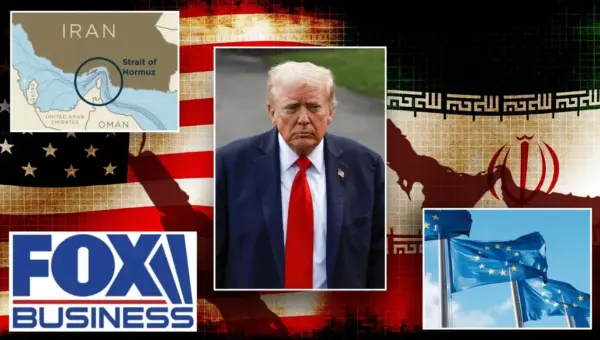
Iran Conflict: Trump Signals War End Amid Shifting Market Signals
President Trump may be signaling an end to the Iran conflict, even if the Strait of Hormuz remains closed. This potential shift comes as markets show volatility, with analysts debating the value of regional security over short-term gains. The situation highlights ongoing diplomatic messaging and strategic military options.
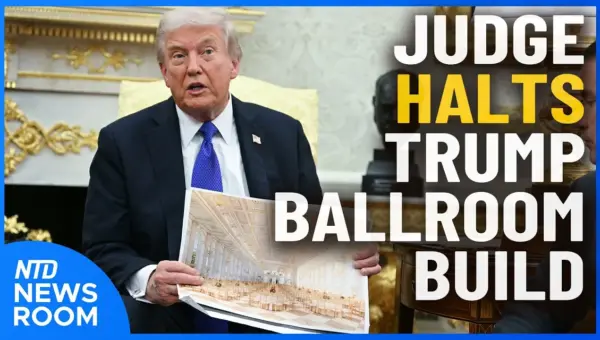
Europe Faces Energy Crisis as Trump Demands Self-Sufficiency
President Trump is pushing European allies to secure their own energy, potentially reshaping global markets. Meanwhile, TSA lines are shortening as agents receive paychecks amid a DHS shutdown, with lawmakers seeking ways to reopen the department.
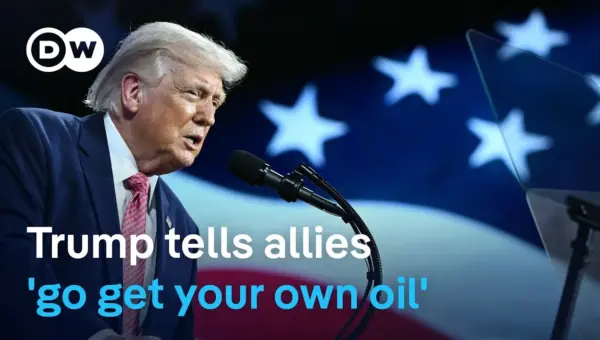
Trump’s Iran Strategy: Off-Ramp or Escalation?
President Trump urged allies to secure their own oil from the Strait of Hormuz, highlighting U.S. frustration with the ongoing Iran conflict. Experts warn of a potential European energy crisis and suggest historical lessons, like the failed Gallipoli campaign, caution against military shortcuts, advocating instead for negotiated diplomatic solutions.