US Gains Edge in Iran Conflict, Regional Tensions Rise
The U.S. military reports being ahead of schedule in its objectives against Iran, striking thousands of targets. Meanwhile, regional tensions escalate as Israel clashes with Iran-backed Hezbollah, and Lebanon expels Iran's ambassador. Pakistan offers to mediate the conflict.

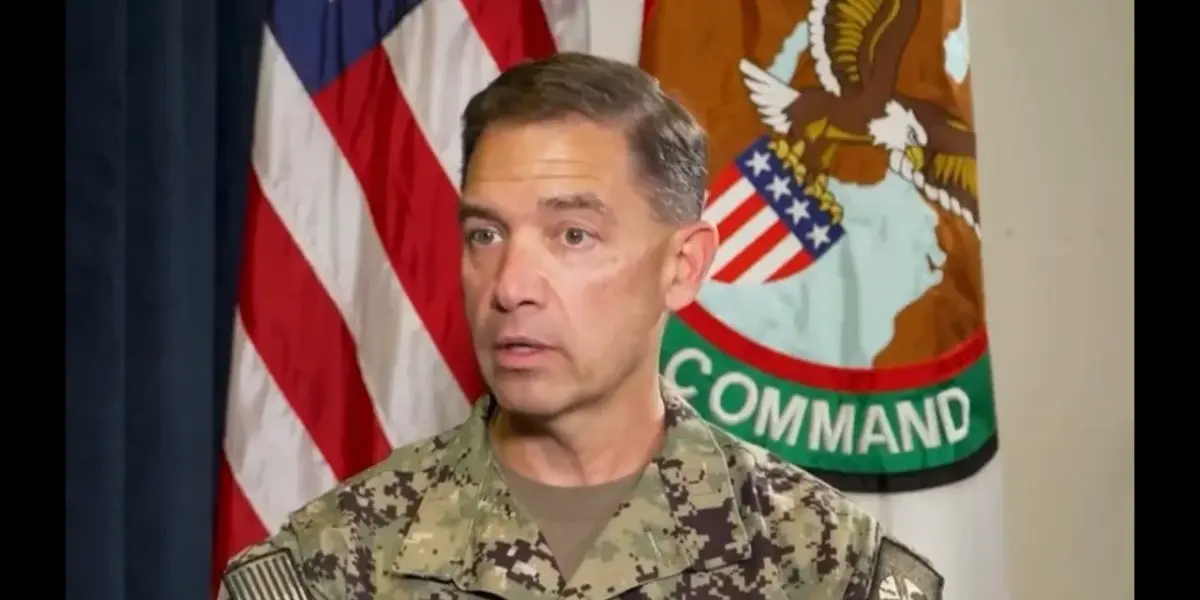
US Claims Military Lead in Iran Conflict
The United States Central Command, or CENTCOM, has released new footage showing strikes against Iran. CENTCOM reports hitting over 9,000 targets in the ongoing conflict. Admiral Brad Cooper, the commander of CENTCOM, stated that the U.S. is largely ahead of schedule in meeting its military goals. These goals include destroying Iran’s ballistic missiles and drones, as well as sinking its navy.
Admiral Cooper Addresses Iranian Civilians
Admiral Cooper urged the people of Iran to listen to U.S. advice. He highlighted that the Iranian government is putting its own citizens at risk. “The government doesn’t care about you,” Cooper stated. He explained that missiles and drones are being launched from populated areas. Citizens were advised to stay indoors until a clear signal is given to come out.
Iran’s Tactics Show Signs of Desperation
The admiral also noted a shift in Iran’s military actions. “At the beginning of the conflict, you saw large volumes in the dozens of drones and missiles,” Cooper explained. Now, he says, Iran is launching only one or two at a time. This change shows a growing desperation. In recent weeks, Iran has deliberately attacked civilian targets more than 300 times. This is a significant increase from targeting military sites.
Pakistan Offers Mediation
Amidst the conflict, Pakistan’s prime minister has offered to host talks between the U.S. and Iran. This move could potentially help mediate an end to the war.
Israel Faces Escalation with Hezbollah
Meanwhile, Israel, fighting alongside the U.S., is dealing with its own challenges. The Iran-backed Hezbollah terrorist group in Lebanon launched a projectile that killed an Israeli woman. Israel’s Defense Minister, Israel Katz, stated that Lebanese residents displaced by the war will not return home. This will only happen once the safety of northern Israeli residents is guaranteed.
Israel Plans Southern Lebanon Control
Katz also announced that the Israel Defense Forces plan to take control of a portion of southern Lebanon. This area extends up to the Litani River. A map highlighted this planned zone in red.
Lebanon Expels Iranian Ambassador
In a significant diplomatic development, the Lebanese government expelled the Iranian ambassador. Lebanon blames Iran for drawing the country into another war with Israel. Israeli President Isaac Herzog called this expulsion a major step. He believes it could lead to regional peace if Iran and its proxies, like Hezbollah, are eliminated.
Why This Matters
The U.S. military’s claim of being ahead of schedule suggests a potential shift in the balance of power in the region. This could influence future negotiations and the overall stability of the Middle East. Admiral Cooper’s warning to Iranian civilians highlights the human cost of the conflict and the tactics employed by the Iranian regime. The increasing attacks on civilian areas by Iran are a serious concern, indicating a potential escalation or a sign of weakening military capability. Pakistan’s offer to mediate presents a diplomatic avenue that could prevent further bloodshed. However, the situation between Israel and Hezbollah remains tense. Israel’s plans for southern Lebanon and Lebanon’s expulsion of the Iranian ambassador show growing regional complexities. These actions could either de-escalate tensions or lead to further conflict.
Historical Context and Background
U.S.-Iran relations have been strained for decades, marked by events like the 1979 Iranian Revolution and the subsequent hostage crisis. The rise of groups like Hezbollah, supported by Iran, has been a major factor in regional instability. Israel has long viewed Iran and its proxies as a significant threat to its security. The current conflict appears to be an extension of these long-standing geopolitical tensions. The involvement of multiple actors, including the U.S., Iran, Israel, Lebanon, and Hezbollah, creates a complex web of alliances and rivalries. The history of proxy warfare in the region is extensive, with groups like Hezbollah often acting on behalf of Iran’s interests.
Implications, Trends, and Future Outlook
The U.S. military’s success, if sustained, could reshape regional dynamics. It might empower allies and weaken Iran’s influence. However, Iran’s reported shift to attacking civilian targets could signal desperation or a strategic change. This raises concerns about civilian safety and the potential for wider conflict. The expulsion of the Iranian ambassador by Lebanon is a notable trend. It suggests some Arab nations are distancing themselves from Iran’s actions. The future outlook depends on several factors. These include the continued effectiveness of U.S. military operations, Iran’s response, and the success of any mediation efforts. The ongoing conflict between Israel and Hezbollah remains a critical flashpoint. Any further escalation there could draw in more regional powers. The international community will be watching closely to see if diplomacy can prevail over continued military confrontation.
Source: US 'Largely Ahead' of Schedule in Iran War (YouTube)

Related Articles
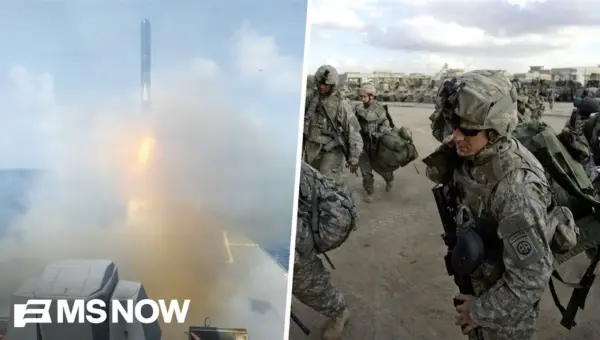
Iran Missile Strikes Injure US Troops, Raise War Concerns
Iranian missile strikes have injured U.S. service members, escalating tensions as the conflict nears one month. The attacks are raising concerns about the effectiveness of U.S. military strategy and the depletion of crucial missile stockpiles. Global oil prices have surged, impacting economies worldwide.

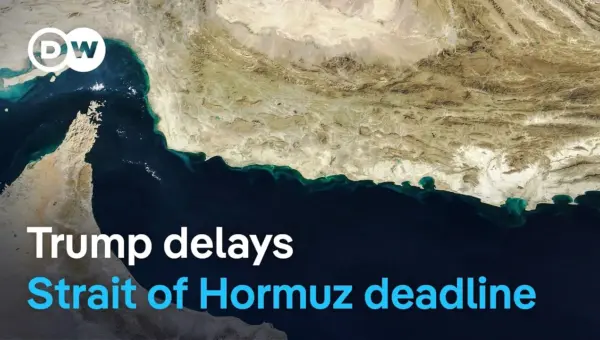
Trump Delays Iran Strike Deadline Amidst Shifting Diplomacy
President Donald Trump has extended his deadline for potential strikes on Iranian energy plants to April 6th, amid reports of U.S.-Iran diplomatic talks mediated by Pakistan. This move comes as Israel continues its strikes on Iran and the U.S. deploys additional military assets to the region. Analysts point to mixed signals, economic pressures, and strategic miscalculations as key factors shaping the evolving situation.

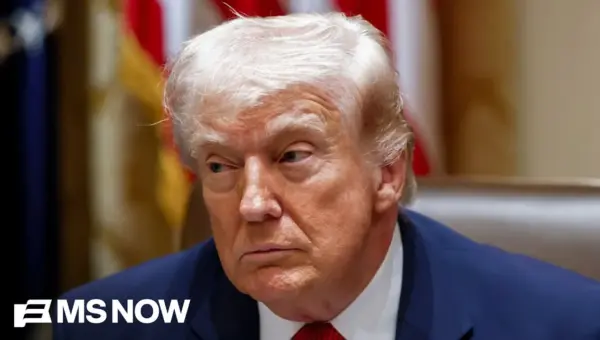
Iran War Claims Ring Hollow as US Troops Injured in New Attack
Days after Donald Trump claimed "we've won" the war with Iran, a new attack injured approximately a dozen U.S. troops and damaged aircraft. This incident contradicts Trump's assertions of victory and raises serious questions about the strategy and reality of the ongoing conflict.