US Gains Edge as Iran Faces Military Pressure
The United States is strategically increasing its military presence in the Middle East, signaling a firm stance against Iran. Coupled with diplomatic deadlines, this military build-up aims to pressure Iran into serious negotiations, focusing on its nuclear program and regional activities. Investors should monitor potential impacts on oil prices and global stability.

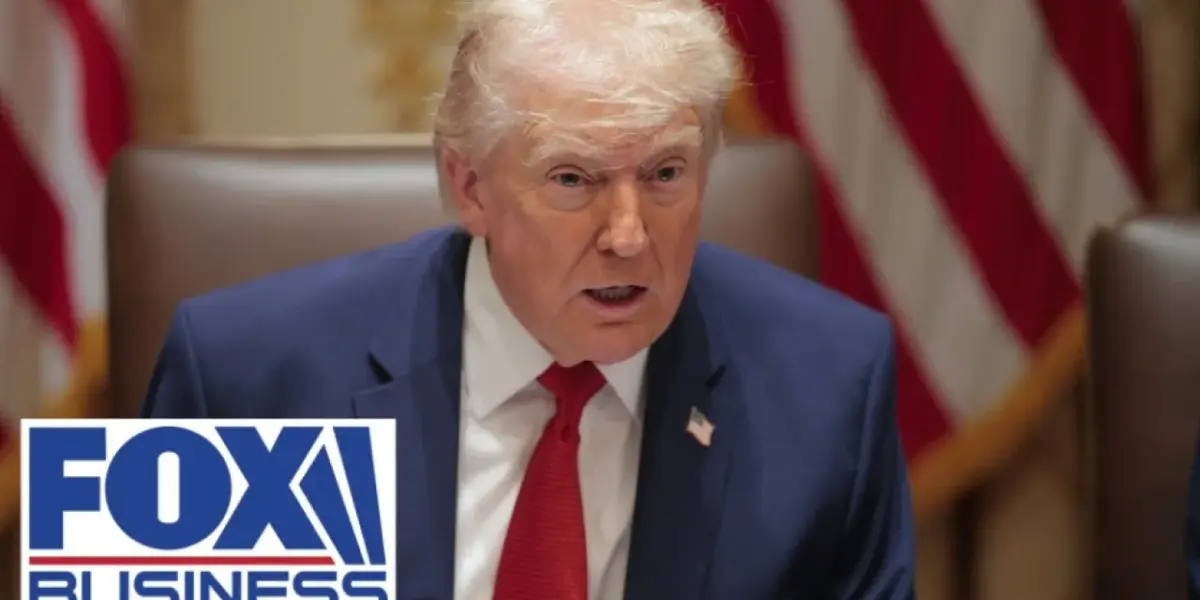
US Bolsters Regional Presence Amid Iran Tensions
The United States is strategically increasing its military assets in the Middle East, a move analysts suggest provides a significant advantage amid ongoing tensions with Iran. This build-up is seen as a key component of President Trump’s strategy, combining economic and military pressure with diplomatic efforts.
Diplomacy Meets Deadline
President Trump has set a firm deadline, reportedly a five-day window, for Iran to change its approach and engage in serious negotiations. Experts believe this approach is a hallmark of the President’s working style. While Trump has expressed a desire for peaceful resolution, past interactions suggest Iran has often missed opportunities to negotiate effectively. The current diplomatic landscape involves discussions with figures like the Speaker of the Iranian Parliament, considered a more influential negotiator than the foreign minister.
Iran’s Negotiation Tactics Under Scrutiny
Iranian negotiators are known for their lengthy discussions and delays, a tactic observed for decades. Their commitments have often proven unreliable, and their conditions for negotiation are frequently seen as unrealistic. The U.S. has presented its own set of 15 points, which are described as demanding and representing an end-state goal rather than a starting point for negotiation.
Military Readiness and ‘Trump Time’
The Pentagon is actively preparing for potential military action, with forces being surged into the region. This readiness is described as operating on “Trump Time,” meaning the President is not bound by strict timelines and maintains flexibility. Military commanders have a target list and are ready to execute operations, whether to secure the Strait of Hormuz or to address Iran’s nuclear program and regional activities. This military posture is designed to box in the adversary, ensuring the U.S. is not constrained.
Focus on Nuclear Program and Regional Stability
A primary objective for the U.S. is to prevent Iran from acquiring nuclear weapons, which is deemed an intolerable risk. Beyond nuclear concerns, Iran’s missile programs and support for proxy groups have led to the deaths of over a thousand Americans and prolonged instability in the Middle East. The U.S. military has the capacity to enforce its conditions without a formal deal, including securing enriched uranium and potentially impacting Iran’s oil exports through actions at sites like Kharg Island.
Potential Outcomes and Investor Considerations
The situation presents a complex scenario for investors, particularly those with exposure to the energy sector and companies operating in or with ties to the Middle East. Increased military activity or potential conflict could lead to significant volatility in oil prices and disrupt global supply chains. Conversely, a de-escalation or a verifiable agreement that curbs Iran’s nuclear ambitions could lead to greater regional stability and potentially boost investor confidence.
Market Impact: What Investors Should Know
The heightened tensions and potential for military action in the Middle East, particularly involving Iran, warrant close attention from investors. Key considerations include:
- Oil Prices: Any disruption to oil production or transport routes, such as the Strait of Hormuz, could cause sharp increases in crude oil prices. This would impact airlines, transportation companies, and consumers globally.
- Geopolitical Risk Premium: Increased geopolitical uncertainty often leads to a “risk premium” in financial markets, potentially causing broader market downturns or increased volatility.
- Defense Sector: Companies involved in defense manufacturing and security services may see increased demand and potential for higher revenues amid heightened global security concerns.
- Regional Economies: Economies heavily reliant on trade or energy exports from the Middle East could face significant challenges if conflict escalates.
While the U.S. military is prepared to enforce its conditions, the exact timeline and nature of any actions remain fluid. Investors should monitor developments closely, focusing on how diplomatic outcomes or military escalations could affect energy markets and overall global economic stability.
Source: This will give the ADVANTAGE to the US amid Middle East conflict, expert says (YouTube)

Related Articles

U.S. Iran Tensions Rise Amid Shifting Alliances
Rising tensions between the U.S. and Iran are creating a volatile geopolitical situation. With conflicting signals on de-escalation and potential shifts in alliances like NATO and U.S.-Israel relations, the path forward remains uncertain. The global economy and regional stability hang in the balance.


Iran Targets US With Cyberattacks, Escalating Digital Warfare
Iran is increasingly using cyberattacks to challenge the U.S., as seen in a recent hack of the FBI director's account. Experts say this is a strategic shift due to Iran's limitations in conventional warfare. The U.S. needs to strengthen its digital defenses, focusing on encryption and cloud computing, rather than solely relying on traditional security measures.
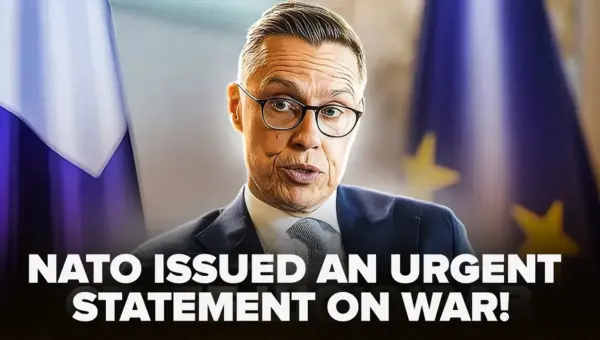
Ukraine Strikes Russian Oil Refinery, Eyes Iran Threat
Ukrainian forces struck a key Russian oil refinery, disrupting Moscow's war capabilities. Meanwhile, Finland's president urged continued U.S. support for Ukraine, as Kyiv shares its air defense expertise globally amid growing geopolitical complexities involving Iran and potential sanctions against Hungary.