US Furious With UK Over Iran War Stance, Allies Face Fallout
The United States is reportedly furious with the UK's stance on the Iran conflict, threatening to reassess allied support. Prime Minister Keir Starmer has voiced frustration with global leaders like Trump and Putin impacting energy bills, while the UK's own defense plans face delays amid international fallout.

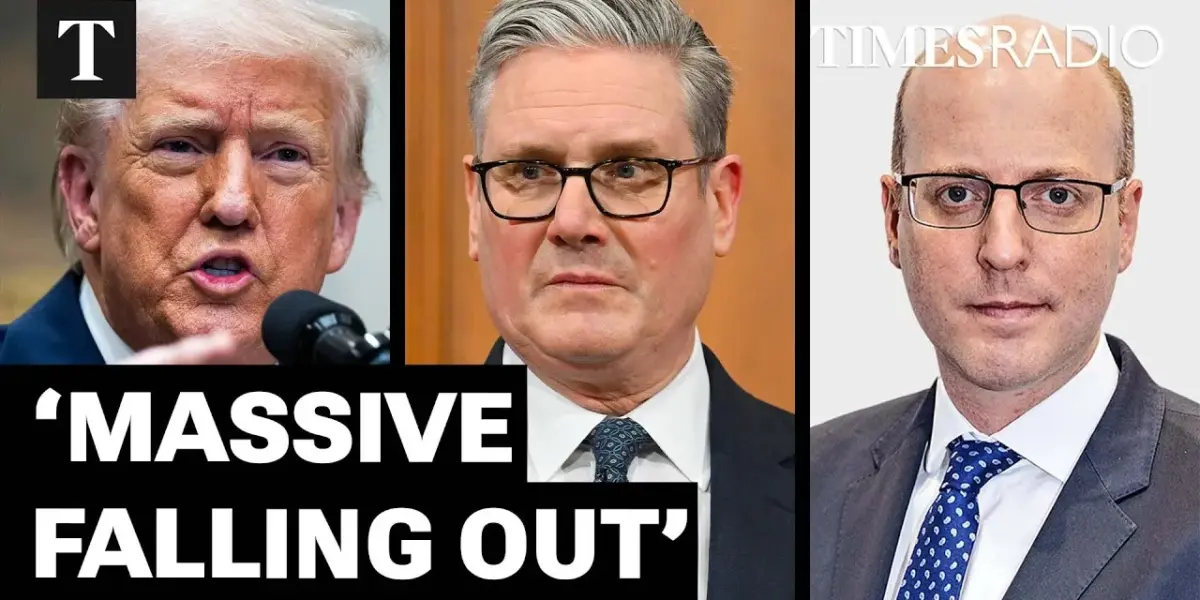
US Slams UK’s Iran War Response, Allies Face Consequences
The United States is reportedly furious with the United Kingdom’s response to the conflict in Iran, with officials threatening to review allied support. Reports suggest that the US is disappointed by Britain’s stance, leading to a significant rift in the “special relationship.” This fallout comes as the UK grapples with its own political challenges and upcoming local elections.
Starmer Expresses Frustration with Global Leaders
Keir Starmer, the leader of the Labour Party, has voiced his exasperation with the actions of global leaders, specifically naming Donald Trump and Vladimir Putin. Starmer stated he is “fed up” with their influence on rising energy bills, suggesting a growing political advantage in opposing Trump. This sentiment highlights a broader unease with international instability impacting domestic concerns.
Defense Minister Downplays US Displeasure
Luke Pollard, the Minister for Defense Readiness and Industry, attempted to ease concerns over the US reaction. He stated, “That’s not an activity we recognize,” and reiterated the UK’s position: “We’ve been very clear that the war in Iran is not our war.” Despite these reassurances, political editors report that US officials, including figures like Marco Rubio and President Trump himself, have expressed significant disappointment.
US Plans ‘Audit’ of UK’s Iran Conflict Response
Steven Swimford, political editor for The Times, revealed that the US intends to “audit” the UK’s response to the Strait of Hormuz situation and the broader Iran conflict. This review could impact the level of support the US provides to the UK. Swimford noted that Trump has consistently criticized the UK government throughout the conflict, and the consequences of this friction are now becoming apparent.
Questions Loom Over NATO’s Future and UK’s Role
The US-UK dispute raises serious questions about the future of NATO and America’s commitment to the alliance. Britain’s reliance on US military and financial power means that maintaining a strong working relationship is crucial. The current friction extends beyond Trump’s administration, potentially affecting future Republican presidencies and creating long-term problems for Britain.
Defense Investment Plan Faces Further Delays
The UK’s own defense strategy is also in disarray. The Defense Investment Plan, intended to outline long-term defense strategies, has been repeatedly delayed. This is due to disagreements between government departments like the Treasury and the Ministry of Defence. The lack of a clear plan adds to the instability, especially as Prime Minister Starmer appears increasingly frustrated.
Starmer Shifts Focus to Leadership in Unstable Times
Facing record unpopularity, Starmer is reportedly seeking to change the political narrative. His recent comments about Trump and Putin, made in the context of energy independence, signal a shift in strategy. With local elections on May 7th expected to be disastrous for Labour, Starmer aims to position himself as a “calm voice” for unstable times. This message is intended for both voters and potentially wavering Labour MPs, discouraging any attempts to remove him from leadership before the election.
Public Support for Starmer Amidst Geopolitical Tensions
Despite the international tensions, public support for Starmer’s handling of the Iran conflict appears to be holding. However, an “awkward tension” exists between the government’s claim that “this is not our war” and its instrumental role in negotiations to reopen the Strait of Hormuz. The Prime Minister’s return from the Gulf coincides with crucial negotiations in Pakistan.
UK’s Limited Military Role in Strait of Hormuz
Swimford clarified the UK’s limited capacity in the current situation. He described the conflict primarily as a “US-Israeli action” against Iran, noting Britain’s “peripheral” role. While the UK will offer a naval vessel equipped for mine clearance in the Strait of Hormuz, its effectiveness depends on a ceasefire and the reopening of the strait. Ultimately, Britain lacks the military might to match US involvement.
Looking Ahead: Geopolitical Ramifications and Defense Strategy
The coming weeks will be critical in understanding the full extent of the US-UK diplomatic rift and its impact on NATO. The delayed Defense Investment Plan needs urgent resolution, especially given the unpredictable global security environment. All eyes will be on how both nations navigate these complex geopolitical challenges and whether Britain can reassert its standing on the world stage.
Source: US ‘Furious’ With UK Over Iran War As Starmer At ‘End Of His Tether’ (YouTube)

Related Articles
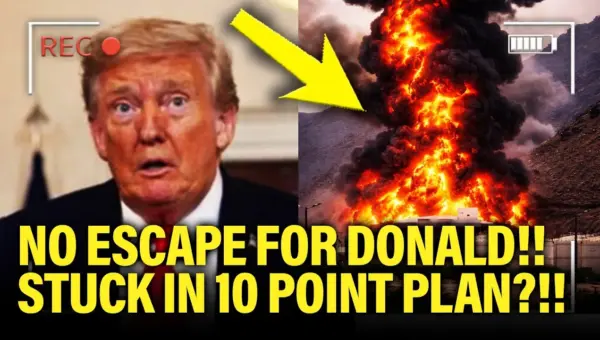
Iran Outmaneuvers Trump, Dominates Strait of Hormuz
Iran appears to have outmaneuvered Donald Trump, gaining control over the Strait of Hormuz and disrupting global oil shipments. The situation is rooted in a disputed ceasefire agreement, with Iran claiming the U.S. is backtracking on terms that included Lebanon.
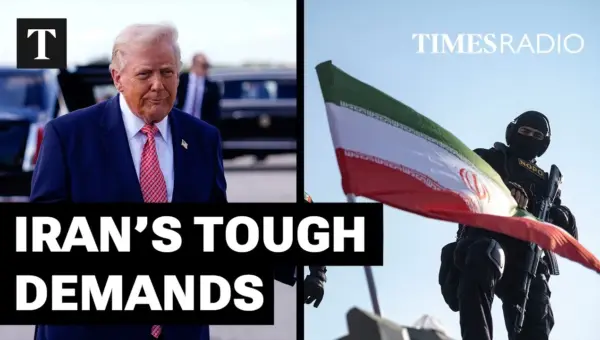
Iran Demands Full Control Over Strait of Hormuz
Iran is pushing for maximum control over the Strait of Hormuz, presenting a maximalist demand in ongoing negotiations. Deep disagreements persist between key global players, particularly concerning Iran's nuclear ambitions and the stability of a potential ceasefire. The clarity and unity of negotiating teams remain uncertain, adding further complexity to the delicate geopolitical situation.


WTO Crumbles, Ushering In Global Trade Wars
The World Trade Organization is collapsing, signaling a return to global trade wars and regional economic blocs. This shift is driven by changing U.S. priorities and the WTO's own structural flaws, forcing countries to find new economic and political models.