US Fuel Policy Sparks Global Resentment
Australia grapples with an energy crisis and record-high fuel prices, partly driven by global events and U.S. oil policies. While the Australian government implements measures to ease the burden, the situation highlights growing global resentment towards U.S. economic influence and a potential shift towards more independent international alliances.

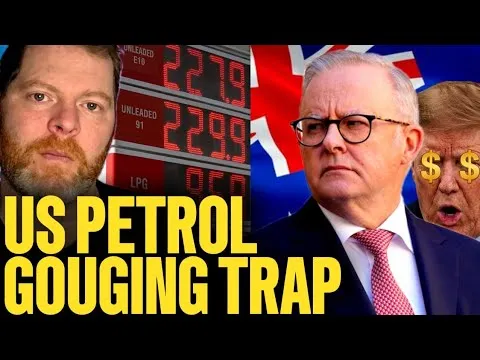
US Fuel Policy Sparks Global Resentment
Australia is facing a severe energy crisis. Gas stations are running out of fuel, and prices for diesel and gasoline have hit record highs. This situation has caused major disruptions to the country’s supply chains. The crisis, largely caused by global events and U.S. policy, is forcing Australians to pay more for everyday goods and services.
Australia’s Energy Woes
Australia imports about 90% of its oil. This reliance makes the country vulnerable to international market changes. The current crisis has been worsened by events in the Middle East, which have disrupted global oil supplies. Prime Minister Anthony Albanese addressed the nation, acknowledging the hardship faced by Australians. He stated that the economic shocks from the Middle East conflict would affect the country for months.
“My fellow Australians, by nature, we’re an optimistic country. But I understand that right now it’s hard to be positive. The war in the Middle East has caused the biggest spike in petrol and diesel prices in history. Australia is not an active participant in this war, but all Australians are paying higher prices because of it.”
– Australian Prime Minister Anthony Albanese
To help ease the burden, the Australian government announced a national fuel security plan. A key measure is cutting the fuel excise tax in half for three months. This reduces the price of petrol by 26 cents per liter. Additionally, the government eliminated the heavy vehicle road user charge for trucks. These steps aim to lower fuel costs and ensure supply stability.
Global Oil Market Dynamics
Australia’s fuel shortage is partly due to disruptions in oil shipments from the Middle East. This situation has created an opportunity for the United States to increase its oil exports. As global supplies tighten, countries like Australia are increasingly turning to U.S. oil. However, this reliance comes at a premium price. The U.S. benefits economically from these sales, as countries are forced to buy from them when traditional suppliers are unavailable.
This trend is not unique to Australia. Countries like South Korea and Japan are also facing similar pressures. They are increasingly dependent on U.S. energy supplies. This dependence, while necessary for immediate needs, can create resentment. Many nations feel that U.S. policies contribute to global instability, which then benefits American energy companies.
U.S. Political Contrast
The transcript highlights a stark contrast between the communication styles of Australian and U.S. leaders. Australian Prime Minister Albanese directly addressed his citizens, validating their concerns and outlining government actions. In contrast, the U.S. political system, as described, often focuses on blame and division. U.S. leaders tend to point fingers at opposing political parties rather than acknowledging systemic issues or taking accountability.
This difference in approach impacts public perception. While Australia’s government is seen as actively trying to help its people, the U.S. response is characterized as dismissive. Americans are told to endure higher prices and that the supply chain issues are temporary. This lack of validation can fuel public frustration and erode trust in leadership.
Shifting Global Alliances
The current geopolitical climate is causing a significant shift in global relationships. Many countries, including those in the Western world, are becoming more skeptical of U.S. influence. There is a growing sentiment for nations to move away from U.S. dependency. This is particularly evident in regions like Asia and Europe.
As middle powers seek more stable and self-reliant relationships, they are forming closed-loop deals. These agreements aim to bypass traditional global supply chains, potentially cutting out the U.S. This trend is driven by a desire for greater national sovereignty and economic security. The long-term impacts of these shifts could reshape the global order.
Economic Leverage and Future Scenarios
The U.S. economy, driven by individualism and consumerism, is seen by some as lacking the strong national bonds found elsewhere. In contrast, nations facing external pressures are experiencing a rise in patriotism and a strengthening of their common narratives. This can lead to greater national unity and resilience.
The ongoing conflict in the Middle East and its impact on global energy markets present several future scenarios. One possibility is a continued U.S. dominance in energy exports, further entrenching its economic influence. Another scenario involves middle powers successfully forming alternative trade blocs, reducing their reliance on the U.S. and potentially leading to a more multipolar world. The latter scenario, while potentially disruptive to the current U.S.-led order, may offer greater stability and equity for participating nations.
Global Impact
The current energy crisis and the U.S. response are having a profound effect on international relations. Countries are reassessing their alliances and economic dependencies. The perception of the U.S. as a reliable partner is diminishing in many parts of the world. This could lead to a significant realignment of global power, with nations seeking stronger regional ties and greater economic autonomy. The long-term consequences of these shifts will likely redefine international cooperation and trade for decades to come.
Source: US Cuts Off Australia’s Oil Supply (Just to Sell It Back at a Premium) (YouTube)

Related Articles
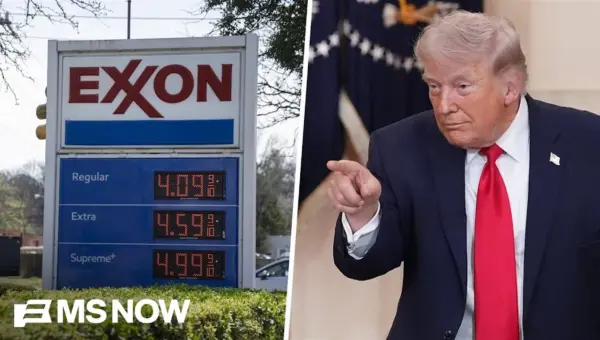
Trump’s Iran Speech Sparks Oil Spikes, Economic Fears Globally
President Trump's recent remarks on Iran have triggered an 11% spike in oil prices and rattled global markets. Experts warn of significant economic fallout, from rising consumer costs to potential disruptions in farming and travel. New tariffs on drugs and proposed changes to 401(k) investments add further layers of economic uncertainty.
40 Nations Target Iran’s Oil Grip
A coalition of 40 nations has launched a plan to secure the Strait of Hormuz, challenging Iran's control over global oil shipping. This move comes amid rising oil prices attributed to Iranian aggression, while U.S. energy production provides a stable economic backdrop.


Iran Controls Hormuz Strait, US Fails to Act
Iran has established a toll system for ships passing through the Strait of Hormuz, charging up to $2 million per vessel. Despite increased U.S. military presence, Iran's IRGC benefits financially, funding its war efforts and arms procurement. This situation reveals a significant U.S. failure to manage a critical global waterway.