US Foreign Policy Shift: Iran Conflict Looms
Escalating tensions between the U.S. and Iran point towards a potential major international conflict. Concerns are rising about the U.S. adopting an aggressive global stance, with significant economic and human costs predicted. Many Americans feel powerless to influence their government's actions, fearing a dark future.

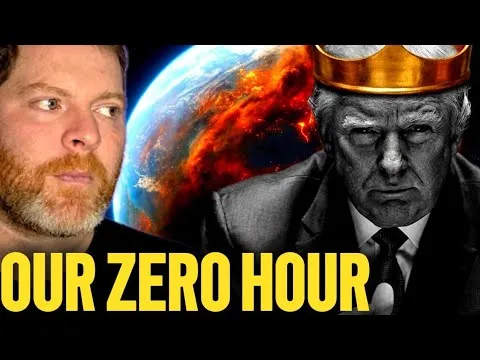
US Foreign Policy Shift: Iran Conflict Looms
Recent actions and rhetoric from the United States suggest a significant shift in its foreign policy, potentially leading to a severe international crisis. Concerns are mounting that the U.S. might be on the verge of a military confrontation with Iran, a nation with a civilization spanning 2,500 years. This potential conflict is described by some as a move towards becoming the “bad guy” on the global stage, a stark departure from America’s historical role. The situation is so serious that many within the U.S. reportedly feel powerless to stop it, with a majority believed to support removing the current president from office. However, political realities suggest this is unlikely to happen, leaving the country’s foreign policy to be enacted with strong conviction, despite low public approval.
Escalating Tensions and Rhetoric
The language used regarding Iran has been described as extreme, even compared to that of dictatorships. This has raised questions about the lack of strong opposition from within the U.S. political system and media. The transcript suggests that any dissenting voices within the legislative, executive, or judicial branches, as well as the military, may have been silenced or removed. This has led to a feeling among many Americans that their government’s actions are not aligned with their will, leaving them feeling helpless.
“The fact is they’re not there because the entire system of the United States at this point, whether it be the legislative, the executive branch, the judicial branch, the military leadership as a whole, because any opposition have just been fired and disgraced at this point.”
Donald Trump has referred to the current moment as one of the most important in world history. The potential consequences of a U.S. military action against Iran are dire. It is predicted that such a move could lead to the Houthi and al-Shabaab groups shutting down the Strait of Bab el-Mandeb. This would severely disrupt global trade and energy supplies, impacting millions worldwide. The U.S. military’s ability to effectively strike Iran’s deeply entrenched defensive positions in mountainous regions is questioned, suggesting that any military action would primarily harm Iran’s civilian population.
Economic and Strategic Concerns
Senator JD Vance has voiced concerns about the potential conflict, emphasizing the need for the free flow of oil and gas. He highlighted the economic impact of potential Iranian actions, referring to them as “economic terrorism.” Vance also pointed out that the U.S. has significant tools it has not yet used to influence Iran’s behavior. The potential U.S. response could involve non-nuclear weapons like the MOAB (Massive Ordnance Air Blast), the largest conventional bomb in the U.S. arsenal. This level of escalation is seen as unacceptable and unbecoming of a global leader.
The economic implications extend beyond immediate conflict. A prolonged shutdown of key shipping lanes like the Strait of Hormuz could damage global energy infrastructure beyond repair. This could lead to a severe global recession, or worse, a civilizational crisis. The U.S. is accused of acting like an empire, using its economic power to control other nations, even if it doesn’t directly own them. This economic dependency forces other countries into difficult choices, sometimes aligning with the U.S. despite their reservations.
Historical Context and Future Scenarios
The current situation is framed as a civilizational war, with the U.S. taking on the role of an aggressor without facing an existential threat to its own people. This is seen as a dangerous path, pushing the nation towards an imperialistic stance. Historically, the U.S. has been viewed as a beacon of freedom, but its current actions are seen as undermining these values. The transcript suggests that the U.S. has proven itself unworthy of being the world’s leading power, hinting at a potential shift in global hegemony.
The possibility of a ground invasion of Iran is mentioned, supported by the movement of troops and resources to the Middle East. The announcements made by the U.S. administration are viewed by some as market manipulation, benefiting Wall Street and wealthy investors while the general population faces uncertainty. The potential for a regional conflict to spill over and affect American lives is a serious concern. The growing resentment towards the U.S. in certain parts of the world could fuel future instability and acts of vengeance.
Domestic Impact and Freedom of Speech
Domestically, there are fears that freedom of speech is under threat, with reports of law enforcement agencies developing methods to counter dissenting voices. The current trajectory is seen as potentially leading to significant loss of life, both Iranian and American, if a wider conflict erupts. The silence of political opposition is noted, suggesting that their priorities may not align with the public’s desire for peace. The speaker expresses deep sadness and concern for the nation they love, fearing it has become something unrecognizable.
The transcript concludes with a call for awareness and preparation, urging people to understand the gravity of the situation. It highlights the disconnect between the government’s actions and the desires of a large portion of the American populace. The speaker believes that the current era will be remembered as a dark chapter in American history, with much of the president’s term still ahead. The potential for a shift to a war economy by 2027 is also mentioned, indicating a long-term commitment to a more militarized foreign policy.
Source: The Rogue State: We Are at the World’s Darkest Hour (YouTube)

Related Articles


Trump’s Iran Deadline Backfires, Exposing Global Humiliation
Then-President Trump's extreme threats against Iran, including a "civilization ending deadline," backfired by undermining US credibility. His shifting ultimatums and the disbelief from his own supporters exposed a loss of global standing, creating long-term damage to America's reputation.
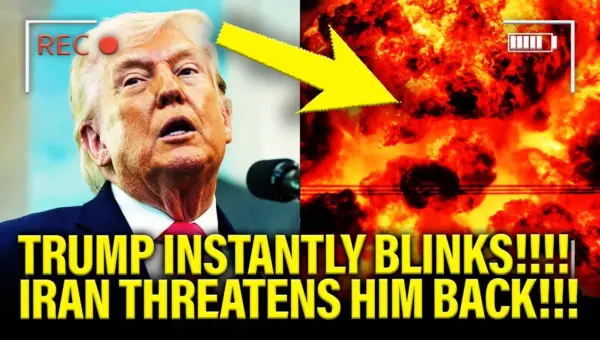
Trump’s War Threats: A Pattern of Bluster, Not Power
Donald Trump's history of extreme threats, particularly regarding Iran, reveals a pattern of bluster rather than genuine policy, according to analysts. This tactic, often followed by de-escalation, raises concerns about international stability and the role of the Republican party and media in enabling such behavior. The discussion highlights the difference between wielding power and abusing it, urging a more virtuous approach to governance.
Geopolitical Tensions Jolt Crypto, Bitcoin Hovers Near $68K
Geopolitical tensions surrounding Iran and potential impeachment proceedings are creating market uncertainty, with Bitcoin hovering near $68,000. Investors are cautiously awaiting resolutions to these critical global events.