US Forces Strike Ecuador Cartels: A Geopolitical Chess Move?
U.S. Special Forces have joined Ecuadorian military operations against powerful cartels, marking a significant escalation in the fight against narco-terrorism. This intervention highlights Ecuador's dramatic descent from a safe nation to a key drug trafficking hub, with implications for global security and U.S. foreign policy in the region.

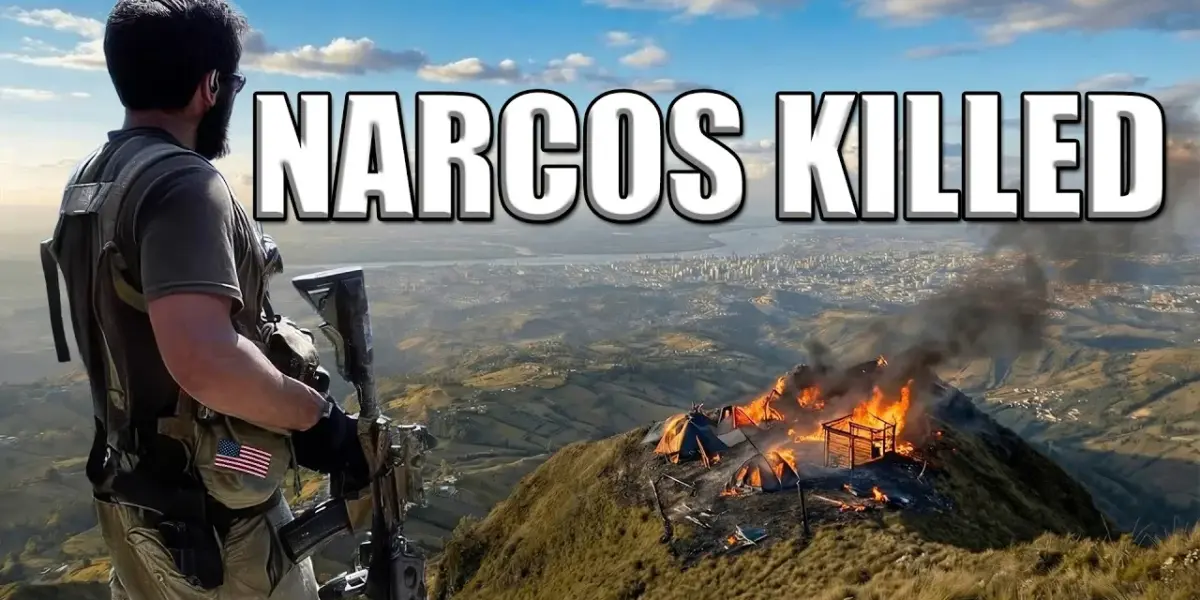
US Special Forces Join Ecuador in Historic Anti-Cartel Raids
In a significant development underscoring the escalating global fight against organized crime, U.S. Special Forces have participated in joint operations with Ecuadorian military forces against cartel operations within Ecuador. Footage released by the U.S. government depicts an aerosol helicopter raid, a tactic aimed at swiftly engaging heavily fortified targets. This operation, occurring on March 3rd, may mark a historic moment, representing one of the first instances of U.S. operators engaging in direct ground combat alongside allies in Ecuador.
A Global Chessboard Rearrangement?
While the world grapples with numerous crises, this military action in Ecuador is presented as part of a larger, interconnected geopolitical strategy. The analysis suggests a pattern: operations targeting figures like Venezuela’s Maduro, the capture of Mexico’s top cartel leader El Mencho, actions against perceived threats in Iran, and now this joint effort in Ecuador. The argument is that the U.S. is actively seeking to reshape the global landscape, but the effectiveness and potential repercussions of such moves remain a critical question.
Ecuador’s Transformation: From Safe Haven to Narco-Hub
The immediate catalyst for this intervention is Ecuador’s alarming transformation. Once considered one of Latin America’s safest nations throughout the 2010s, with homicide rates well below the regional average, the country has experienced a dramatic collapse into violence. The homicide rate surged from 13 per 100,000 in 2021 to approximately 45 per 100,000 by 2023, placing it among the most dangerous regions in the Americas. This violence reached a peak with cartel members attempting to hijack a live television broadcast, car bombings, and widespread assassinations.
Intelligence reports estimate that a staggering 70% of the world’s cocaine exports now flow through Ecuador, despite the nation not being a producer itself. Cocaine is frequently concealed within banana shipments, primarily from the port of Guayaquil, destined for American and European markets. Ecuador has, in a matter of years, become a critical logistics node exploited by international cartels.
Operation Southern Spear and International Cooperation
The operation in Ecuador is believed to be an extension of “Operation Southern Spear,” a broader U.S. military initiative in the region. So far, Southern Spear has reportedly resulted in the deaths of over 150 suspected narco-terrorists across 45 strikes. Ecuador’s Defense Minister confirmed the joint offensive nature of the operations with the United States, though specific details remain classified. The U.S. counter-cartel task force, instrumental in the takedown of El Mencho, is reportedly involved in Ecuador.
General David H. Berger, Commander of U.S. Southern Command, lauded the operations as a “powerful example of the commitment of partners in Latin America and the Caribbean to combat the scourge of naroterrorism.” He emphasized decisive action against those inflicting terror, violence, and corruption. U.S. special forces are reportedly advising Ecuadorian commandos, providing intelligence, and logistical support for raids targeting suspected drug facilities.
The presence of U.S. special forces on the ground, publicly acknowledged, is historically significant. Diplomatic norms have largely kept U.S. military personnel from direct combat roles in such operations in South America. However, the dire situation in Ecuador prompted President Daniel Noboa to seek international assistance. Notably, a previous proposal by Noboa to allow the U.S. to re-establish a military base in Ecuador was rejected by Ecuadorian voters.
The Roots of the Crisis: Historical Context and Economic Vulnerabilities
The current crisis in Ecuador has deep historical roots. The two nations have maintained security cooperation since the Rio Treaty of 1947, initially focused on combating communism and later shifting to counter-narcotics, surveillance, and border security as Colombia’s drug trafficking problems escalated in the late 1980s.
A critical juncture occurred in the 1990s. Following a costly war with Peru in 1995 and a subsequent banking crisis, Ecuador incurred significant debt. The nation’s economic reliance on commodities like oil and bananas, a phenomenon known as the “commodity curse,” left it vulnerable. In 1999, the U.S. Air Force established an air base in Manta, Ecuador, for counter-narcotics surveillance, which proved effective in disrupting drug trafficking routes.
During the early 2000s oil boom, Ecuador experienced economic prosperity. However, this period also saw a shift in foreign policy under President Rafael Correa. Correa, elected in 2007, adopted an anti-American stance, sought closer ties with China, and secured a $20 billion loan. This influx of Chinese investment fueled infrastructure development and social programs, leading to improved living standards. In 2009, Correa expelled the U.S. from the Manta air base, citing sovereignty concerns and a desire to minimize foreign military influence. This move diminished the ability to monitor drug trafficking activities.
Correa’s administration also pursued a policy of “global citizenry,” which involved opening borders. While intended to foster international engagement, this policy inadvertently facilitated the entry of criminal elements from Colombia and Mexico, who then established operations within Ecuador. The subsequent plummeting of oil prices in 2017 left Ecuador unable to repay its debt to China. Correa left office before the full economic fallout, and his administration was marked by increased Chinese influence and a reduction in U.S. military presence.
The economic downturn necessitated a bailout from the IMF, which came with stringent austerity measures. Cuts to public services, including prison staff and police funding, created a vacuum. Prisons became infiltrated and controlled by gangs, and international cartel members who had entered the country began leveraging Ecuador’s ports and transit routes for drug trafficking.
The Rise of Ecuadorian Gangs and the Mexican Cartel Connection
The primary players in Ecuador’s current drug trade are local gangs like Los Choneros and Los Lobos, which have historical ties and rivalries mirroring those of the major Mexican cartels – the Sinaloa Cartel and the Jalisco New Generation Cartel (CJNG). These Ecuadorian gangs act as crucial logistics and export partners for their Mexican counterparts, controlling key infrastructure such as ports, prisons, and drug transit routes originating from Colombia and Peru.
This nexus is particularly significant for the European market, with approximately 80% of cocaine reaching Europe passing through Ecuador, largely via Guayaquil. The surging demand for cocaine in the EU, which has increased by roughly 60% over the last decade, makes Ecuador a highly profitable hub for traffickers.
President Noboa’s Response and Future Outlook
The escalating violence led to President Daniel Noboa, heir to a banana empire, declaring a state of internal armed conflict and instituting martial law upon taking office in 2023. His administration has implemented a hardline approach, including the construction of large-scale “mega-prisons” and the deployment of forces to combat gangs. This strategy has drawn comparisons to El Salvador’s crackdown under President Nayib Bukele.
The Biden administration has responded by increasing security assistance to Ecuador, including a C-130 cargo plane and a significant deal for M4 rifles. The U.S. military’s involvement, particularly the presence of Special Forces advising and supporting Ecuadorian operations, signals a deepening commitment to stabilizing the region.
Why This Matters
The intervention in Ecuador is more than just a localized anti-drug operation; it represents a strategic shift in U.S. foreign policy and a response to the evolving nature of transnational organized crime. The cartels have diversified their revenue streams beyond drug trafficking, engaging in activities like fuel theft, extortion, and human trafficking, making them persistent destabilizing forces even if drug demand were to decrease. General Berger’s assertion that these organizations would continue to operate and destabilize the hemisphere regardless of demand underscores the complexity of the threat.
The situation highlights the interconnectedness of global security. The flow of illicit substances from South America, facilitated by local gangs acting as conduits for larger international organizations, directly impacts consumption and crime rates in North America and Europe. The role of precursor chemicals, often supplied by countries like China, further complicates the international dimension of the drug trade.
Implications, Trends, and Future Outlook
The U.S. military’s direct involvement in ground operations in Ecuador, even in an advisory capacity, sets a precedent. It signals a willingness to engage more actively in combating narco-terrorism when allied nations face critical security breakdowns. This trend could lead to increased U.S. military cooperation with other Latin American countries facing similar challenges.
The “commodity curse” and economic vulnerabilities of nations like Ecuador remain a significant factor enabling organized crime. When economic opportunities dwindle and state institutions weaken due to austerity, criminal organizations can more easily recruit members and establish control. The historical cycle of debt, reliance on external powers (first the U.S., then China), and subsequent economic instability has created a fertile ground for narco-trafficking.
The long-term outlook suggests a continued struggle against sophisticated and adaptive criminal networks. While direct military action and law enforcement crackdowns can disrupt operations, addressing the root causes—including economic inequality, corruption, and demand for illicit substances—will be crucial for sustainable peace. The public’s willingness to support strong-arm tactics, like martial law and mega-prisons, in the face of extreme violence, indicates the desperation felt by citizens but also raises concerns about potential human rights implications and the erosion of democratic norms.
Ultimately, the situation in Ecuador is a microcosm of broader challenges in Latin America and globally, demonstrating how economic policies, historical relationships, and the persistent demand for illicit goods can converge to create complex security crises that necessitate international cooperation and strategic intervention.
Source: US Special Forces Wipe Out the Cartel in Ecuador (YouTube)

Related Articles


G7 Allies Clash Over Iran War Strategy, Urge Focus on Russia
G7 foreign ministers met in Paris, revealing deep divisions over the U.S. war with Iran. European allies urged the U.S. to pressure Russia, linking its actions to the conflict and fearing support for Ukraine will wane.


Iran Blocks China Ships, Exposing Beijing’s Weak Grip
Iran's recent decision to block Chinese ships at the Strait of Hormuz is exposing the limits of Beijing's influence in the Middle East. This action is causing delays and cancellations for Chinese manufacturers, turning a perceived geopolitical win into an economic strain.
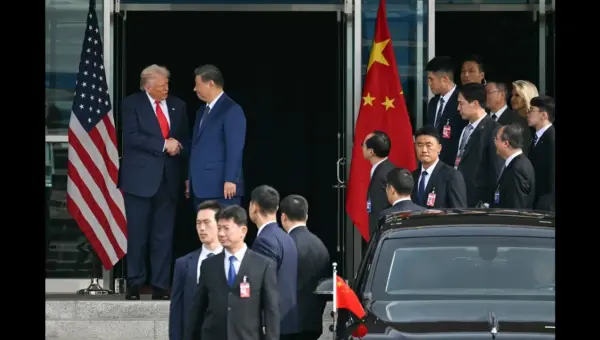
Trump’s “Walk Away” Tactic Signals Tougher Stance on China
Retired Air Force Brigadier General David Stillwell believes President Trump's strategy of being willing to walk away from negotiations puts pressure on China. This tactic, combined with US global actions and strengthened alliances, signals a more assertive American foreign policy.